Hey there! As a supplier of Sodium Carboxymethyl, I often get asked about its shelf - life. So, I thought I'd sit down and write this blog to share everything I know about it.
First off, let's talk a bit about what Sodium Carboxymethyl is. Sodium Carboxymethyl, also known as CMC (Carboxymethyl Cellulose), is a water - soluble polymer derived from cellulose. It's used in a wide range of industries, from food to pharmaceuticals, and even in the oil and gas sector. You can find more detailed info about it on this page: Sodium Carboxymethyl.
Factors Affecting Shelf - Life
The shelf - life of Sodium Carboxymethyl isn't set in stone. It can vary depending on several factors.
Storage Conditions
One of the most important factors is how you store it. Sodium Carboxymethyl should be stored in a cool, dry place. High humidity can cause it to absorb moisture, which might lead to clumping and a decrease in its quality. If it's stored in a place with a lot of moisture, the product could start to break down over time. For example, if you leave it in a damp basement, it won't last as long as if it's stored in a climate - controlled warehouse.


Temperature also plays a big role. Extreme heat can speed up the degradation process. So, storing it at a stable, moderate temperature is key. A temperature range of around 20 - 25°C (68 - 77°F) is usually ideal. If it gets too hot, say above 35°C (95°F), the chemical structure of Sodium Carboxymethyl might start to change, and its performance in applications could be affected.
Packaging
The type of packaging matters too. Good quality, air - tight packaging can significantly extend the shelf - life. When Sodium Carboxymethyl is exposed to air, it can react with oxygen and other elements in the atmosphere. A sealed bag or container can prevent this from happening. For instance, if it's packed in a thick, plastic - lined bag, it'll be better protected compared to a thin, flimsy one. Some suppliers, like us, use special packaging materials to ensure the product stays fresh for as long as possible.
Purity and Quality at the Time of Purchase
The initial quality of the product is another factor. If you buy high - purity Sodium Carboxymethyl from a reliable supplier, it's likely to have a longer shelf - life. Lower - quality products might have impurities that can cause them to degrade more quickly. For example, if there are some contaminants in the product, they could act as catalysts for chemical reactions that break down the Sodium Carboxymethyl. You can learn more about high - quality CMC Cellulose on our website.
Typical Shelf - Life
Under ideal storage conditions, Sodium Carboxymethyl can have a shelf - life of about 2 - 3 years. This is a general estimate, and it can vary based on the factors I mentioned earlier.
In the food industry, where it's used as a thickener, stabilizer, or emulsifier, it's crucial to use it within its shelf - life. For example, in a bakery, if you use expired Sodium Carboxymethyl in your bread dough, it might not work as well to keep the dough's structure, and the bread could end up having a different texture.
In the pharmaceutical industry, it's used in tablets and other formulations. Using it past its shelf - life could affect the stability and effectiveness of the medicine. So, it's really important to keep track of the expiration date and use it accordingly. You can find out more about Food Grade Powder CMC and its applications on our site.
How to Tell if It's Expired
There are a few signs that can tell you if Sodium Carboxymethyl has expired.
Physical Appearance
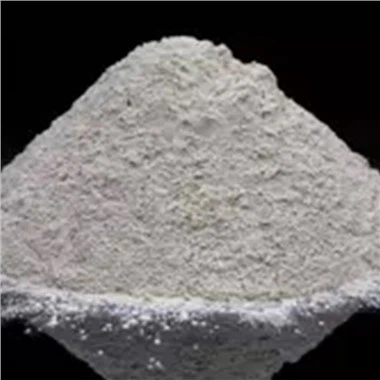
If you notice clumping, it's a sign that the product might have absorbed moisture and is starting to go bad. The color might also change. Normally, it's a white or off - white powder. If it starts to turn yellow or brown, that's a red flag.
Performance in Applications
If you're using it in an application and it's not performing as well as it used to, it could be expired. For example, if you're using it as a thickener in a sauce and the sauce isn't thickening as it should, it might be time to get a new batch.
Importance of Knowing the Shelf - Life
Knowing the shelf - life of Sodium Carboxymethyl is important for several reasons.
Quality Assurance
For manufacturers, it's all about quality control. Using expired Sodium Carboxymethyl can lead to inconsistent product quality. In a food manufacturing plant, if the quality of the thickener they use varies, the final product might not taste or look the same every time. This can lead to customer complaints and a loss of brand reputation.
Cost - Efficiency
It's also about cost - efficiency. If you keep using expired product, you might end up wasting money on re - doing processes or having to scrap products that don't meet the standards. By using it within its shelf - life, you can make the most of your investment.
Extending the Shelf - Life
If you want to extend the shelf - life of Sodium Carboxymethyl, here are some tips.
Check the Packaging Regularly
Make sure the packaging is still intact. If you notice any tears or holes, transfer the product to a new, air - tight container.
Monitor the Storage Environment
Keep an eye on the temperature and humidity in the storage area. Use a hygrometer to measure humidity and a thermometer to monitor the temperature. If the conditions aren't right, you can take steps to adjust them, like using a dehumidifier or an air - conditioner.
Conclusion
In conclusion, the shelf - life of Sodium Carboxymethyl can vary, but under ideal conditions, it's around 2 - 3 years. Storage conditions, packaging, and the initial quality of the product all play important roles. By knowing the shelf - life and taking steps to extend it, you can ensure that you're getting the most out of your Sodium Carboxymethyl.
If you're interested in purchasing Sodium Carboxymethyl or have any questions about its shelf - life or other aspects, feel free to reach out. We're here to help you make the best choice for your needs.
References
- Textbooks on polymer chemistry and storage of chemical products
- Industry reports on the use and storage of Sodium Carboxymethyl
- In - house research and experience from our company's operations