Hey there! As a supplier of Granular Polyanionic Cellulose (GPAC), I'm super excited to dive into how this amazing stuff works as a binder in tablets. It's a topic that's not only fascinating but also crucial in the pharmaceutical and other industries. So, let's get right into it!


What is Granular Polyanionic Cellulose?
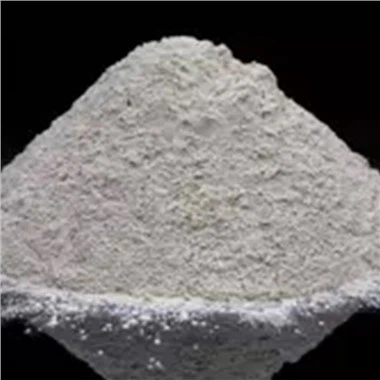
First off, let's talk a bit about what GPAC is. It's a modified cellulose derivative, which means it's derived from cellulose, the stuff that makes up the cell walls of plants. GPAC is made by chemically modifying cellulose to give it some really useful properties. It comes in a granular form, which makes it easy to handle and use in various applications.
One of the great things about GPAC is its versatility. It can be used in a wide range of industries, including pharmaceuticals, food, and oil drilling. In the pharmaceutical industry, it's particularly valued for its ability to act as a binder in tablets.
How Does GPAC Act as a Binder in Tablets?
Now, let's get to the main question: how does GPAC act as a binder in tablets? Well, when you're making tablets, you've got a bunch of different ingredients that need to be held together. These ingredients could include the active pharmaceutical ingredient (API), fillers, and other excipients. The binder is what holds all these ingredients together in a solid tablet form.
1. Adhesion and Cohesion
GPAC works by providing both adhesion and cohesion. Adhesion is the ability of the binder to stick to the surfaces of the other ingredients in the tablet. Cohesion, on the other hand, is the ability of the binder to hold the ingredients together within the tablet.
When GPAC is added to the tablet formulation, it forms a thin film around the particles of the other ingredients. This film helps to hold the particles together, both by adhering to their surfaces and by creating a cohesive force between them. The result is a tablet that is strong and stable, and that doesn't fall apart easily.
2. Swelling and Gel Formation
Another important mechanism by which GPAC acts as a binder is through swelling and gel formation. When GPAC comes into contact with water, it swells and forms a gel. This gel acts as a glue, holding the ingredients in the tablet together.
In the tablet manufacturing process, water is often added during the wet granulation step. When GPAC is present in the formulation, it swells in the presence of water and forms a gel that binds the particles together. This gel also helps to improve the flow properties of the granules, making them easier to compress into tablets.
3. Compatibility with Other Ingredients
GPAC is also highly compatible with other ingredients commonly used in tablet formulations. This means that it can be used in combination with other binders, fillers, and excipients without causing any compatibility issues.
For example, GPAC can be used in combination with other cellulose-based binders, such as microcrystalline cellulose, to improve the binding properties of the tablet. It can also be used with fillers like lactose and starch, as well as disintegrants and lubricants.
Advantages of Using GPAC as a Binder in Tablets
There are several advantages to using GPAC as a binder in tablets. Let's take a look at some of them:
1. Good Binding Properties
As we've already discussed, GPAC has excellent binding properties. It can hold the ingredients in the tablet together effectively, resulting in a strong and stable tablet. This is particularly important for tablets that need to withstand handling and packaging without breaking or crumbling.
2. Fast Dispersibility
GPAC is available in fast-dispersed forms, such as Fast Dispersed Polyanionic Cellulose PAC HV and Fast Dispersed Polyanionic Cellulose PAC LV. These forms of GPAC disperse quickly in water, which is important for the wet granulation process. Fast dispersibility means that the GPAC can quickly form a gel and bind the particles together, reducing the processing time and improving the efficiency of the tablet manufacturing process.
3. Low Toxicity
GPAC is a safe and non-toxic material. It is widely used in the pharmaceutical industry because it meets the strict safety requirements for use in drugs. This makes it a great choice for use in tablets that are intended for human consumption.
4. Cost-Effective
Compared to some other binders, GPAC is relatively cost-effective. It provides good binding properties at a reasonable price, making it an attractive option for pharmaceutical manufacturers looking to keep their production costs down.
Applications of GPAC in Tablet Manufacturing
GPAC is used in a wide range of tablet manufacturing applications. Here are some examples:
1. Immediate-Release Tablets
In immediate-release tablets, the API is released quickly into the body. GPAC can be used as a binder in these tablets to ensure that the tablet is strong and stable, while still allowing for rapid disintegration and dissolution of the API.
2. Sustained-Release Tablets
Sustained-release tablets are designed to release the API slowly over a period of time. GPAC can be used in these tablets to control the release rate of the API. By adjusting the amount of GPAC in the formulation, the manufacturer can achieve the desired release profile.
3. Chewable Tablets
Chewable tablets are designed to be chewed before swallowing. GPAC can be used in these tablets to provide a pleasant mouthfeel and to hold the ingredients together during chewing.
Conclusion
In conclusion, Granular Polyanionic Cellulose is an excellent binder for tablets. It works by providing adhesion and cohesion, swelling and gel formation, and is highly compatible with other ingredients. It offers several advantages, including good binding properties, fast dispersibility, low toxicity, and cost-effectiveness.
If you're in the tablet manufacturing business and are looking for a high-quality binder, I highly recommend considering Granular Polyanionic Cellulose. We're a leading supplier of GPAC, and we can provide you with the best products and support. If you're interested in learning more or discussing your specific needs, feel free to reach out to us. We'd be more than happy to help you find the right solution for your tablet manufacturing process.
References
- Remington: The Science and Practice of Pharmacy, 22nd Edition
- Pharmaceutical Dosage Forms: Tablets, Volume 1, 3rd Edition
- Handbook of Pharmaceutical Excipients, 7th Edition