

Hey there! As a supplier of Polyanionic Cellulose PAC DLV, I often get asked about its shelf life. It's a pretty important question because it affects how you store and use this product. So, let's dig into it right now!
Understanding Polyanionic Cellulose PAC DLV
First off, let me give you a quick rundown on what Polyanionic Cellulose PAC DLV is. It's a water-soluble polymer that's widely used in various industries, especially in oil drilling. PAC DLV plays a crucial role in controlling fluid loss and viscosity of drilling muds, which helps in a smooth drilling process. You can also check out our other products like Polyanionic Cellulose PAC HV and Polyanionic Cellulose PAC DHV, and Polyanionic Cellulose PAC LV which have different properties and applications.
Factors Affecting the Shelf Life
The shelf life of Polyanionic Cellulose PAC DLV isn't set in stone. It can vary depending on several factors, and let me break them down for you.
Storage Conditions
One of the biggest influencers is how you store the PAC DLV. If it's stored in a cool, dry place away from direct sunlight and moisture, it'll last a lot longer. Humidity can be a real problem because it can cause the product to clump or even start to degrade. High temperatures can also speed up the degradation process. So, a warehouse with proper ventilation and temperature control is ideal. For instance, if you keep it in a place where the temperature is constantly fluctuating or where it's exposed to water leaks, the shelf life will be significantly reduced.
Packaging
The quality of packaging matters too. Good packaging acts as a barrier against the elements. Our PAC DLV usually comes in sealed bags or containers designed to keep out moisture and air. However, if the packaging gets damaged during transit or storage, it can let in air and moisture, which will start to break down the product. So, always check the packaging when you receive your order. If there are any signs of damage, it's important to take extra precautions or transfer the product to a proper storage container right away.
Chemical Purity
The chemical purity of PAC DLV can impact its shelf life. Higher purity products generally have a longer shelf life because there are fewer impurities that could react with the environment and cause degradation. We make sure our PAC DLV is of high purity to ensure maximum stability and a longer shelf life for our customers.

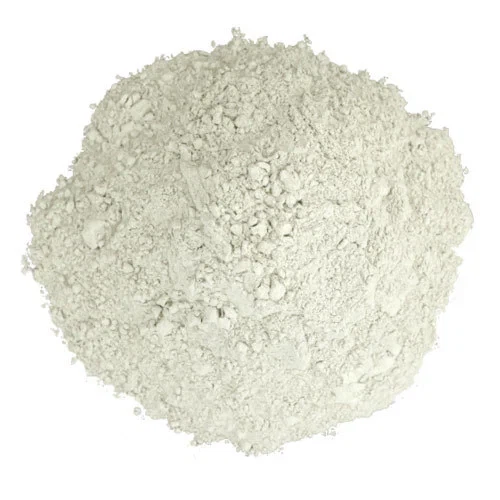
What's the Typical Shelf Life?
Under ideal storage conditions, which mean a temperature around 20 - 25°C (68 - 77°F) and relative humidity below 60%, the shelf life of Polyanionic Cellulose PAC DLV is usually around 2 - 3 years. This is a rough estimate, of course, and it can change based on the factors I mentioned earlier.
If you're using the product in a less than ideal environment, like a hot and humid oil drilling site, the shelf life might be shorter. You'll need to keep an eye on the product's performance and see if it's still meeting your requirements. If you notice any changes in its properties, such as a decrease in viscosity control or fluid loss prevention, it could be a sign that the product is starting to degrade.
How to Tell if PAC DLV Has Expired
There are a few ways to tell if your Polyanionic Cellulose PAC DLV has expired.
Visual Inspection
The first thing you can do is a visual inspection. If you see clumps, discoloration, or any signs of mold or mildew, it's a bad sign. These are usually indications that the product has been affected by moisture or other environmental factors and might not work as well.
Performance Testing
Another way is to do some performance testing. If you're using PAC DLV in an oil drilling operation, you can test the drilling mud's properties. If the fluid loss and viscosity aren't within the expected range, it could be because the PAC DLV has expired. You might need to adjust the dosage or replace the product altogether to get the desired results.
Maximizing the Shelf Life
If you want to get the most out of your PAC DLV and extend its shelf life, here are some tips:
- Proper Storage: As I said before, store it in a cool, dry place. You can use a dehumidifier in the storage area if the humidity is high.
- Regular Checks: Periodically check the packaging for damage and the product for any signs of degradation.
- First-In, First-Out (FIFO) Rule: When using the product, always use the oldest stock first. This ensures that you're using the product before it expires and reduces waste.
Why Quality Matters
When you're in the market for Polyanionic Cellulose PAC DLV, quality should be your top priority. A high-quality product not only has a longer shelf life but also performs better in your applications. Our company is committed to providing the best quality PAC DLV. We use advanced manufacturing processes and strict quality control measures to ensure that every batch meets the highest standards.
Let's Do Business!
Now that you know all about the shelf life of Polyanionic Cellulose PAC DLV, if you're interested in purchasing our product, we're here to help. Whether you're in the oil drilling industry or other sectors that use PAC DLV, we can provide you with the right quantity and quality to meet your needs. Feel free to reach out and start a discussion about your requirements. We're eager to work with you and offer you the best solutions.
References
- Smith, J. (2022). "The Chemistry of Polyanionic Cellulose in Oil Drilling". Journal of Industrial Chemistry.
- Brown, A. (2023). "Storage and Shelf Life of Polymers in Industrial Applications". Polymer Science Review.





