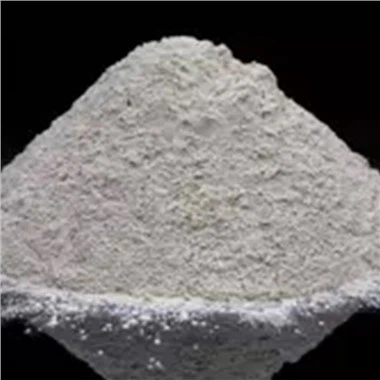
Carboxymethyl cellulose (CMC) gel is a versatile product with a wide range of applications in various industries, including skin care, cosmetics, and detergents. As a leading supplier of carboxymethyl cellulose gel, we often receive inquiries about its shelf - life. Understanding the shelf - life of CMC gel is crucial for both manufacturers and end - users to ensure product quality and safety. In this blog, we will delve into the factors that affect the shelf - life of carboxymethyl cellulose gel and provide some guidelines on how to extend it.
What is Carboxymethyl Cellulose Gel?
Carboxymethyl cellulose is a water - soluble derivative of cellulose, which is obtained by the chemical modification of natural cellulose. CMC gel is formed when CMC powder is dissolved in water, creating a viscous and transparent substance. It has excellent thickening, stabilizing, and emulsifying properties, making it a popular ingredient in many products.
In the skin care industry, CMC gel is used to improve the texture and stability of creams, lotions, and gels. It can enhance the moisturizing effect and provide a smooth and pleasant feel on the skin. For example, in moisturizing creams, CMC gel helps to prevent the separation of oil and water phases, ensuring a consistent product quality during storage and use.
In cosmetics, CMC gel is utilized in mascaras, lipsticks, and foundations. It can increase the viscosity of these products, making them easier to apply and improving their adhesion to the skin. In mascara formulations, CMC gel gives the mascara a thick and long - lasting effect, while in lipsticks, it helps to prevent the lipstick from bleeding.


In the detergent industry, CMC gel is added to laundry detergents and dishwashing liquids as a soil - suspending agent. It can adsorb dirt and prevent it from redepositing on the cleaned surfaces, thus enhancing the cleaning performance of the detergents.
Factors Affecting the Shelf - Life of Carboxymethyl Cellulose Gel
The shelf - life of carboxymethyl cellulose gel is influenced by several factors, which can be broadly classified into intrinsic and extrinsic factors.
Intrinsic Factors
- Purity of CMC: The purity of carboxymethyl cellulose used to prepare the gel plays a significant role in determining its shelf - life. Impurities in CMC can act as catalysts for chemical reactions, such as oxidation and hydrolysis, which can lead to the degradation of the gel structure and a decrease in its performance. High - purity CMC generally results in a more stable gel with a longer shelf - life.
- Degree of Substitution (DS): The degree of substitution refers to the average number of hydroxyl groups in the cellulose molecule that have been substituted with carboxymethyl groups. A higher DS value typically leads to better solubility and stability of the CMC gel. Gels made from CMC with a proper DS are less likely to undergo phase separation or gel breakdown over time, thereby extending the shelf - life.
- pH of the Gel: The pH of the CMC gel affects its stability. CMC gels are generally stable in a pH range of 6 - 10. Outside this range, the chemical structure of CMC may be altered, leading to a loss of viscosity and other functional properties. For example, in acidic conditions, CMC may undergo hydrolysis, which breaks down the polymer chains and reduces the gel's thickening ability.
Extrinsic Factors
- Temperature: Temperature is one of the most critical extrinsic factors affecting the shelf - life of CMC gel. High temperatures can accelerate chemical reactions, such as oxidation and microbial growth. At elevated temperatures, the viscosity of the gel may decrease, and the gel may become more prone to degradation. On the other hand, extremely low temperatures can cause the gel to freeze and expand, damaging its structure and leading to irreversible changes in its properties.
- Humidity: High humidity can cause the absorption of water by the CMC gel, leading to dilution and a decrease in viscosity. It can also promote the growth of microorganisms, such as bacteria and fungi, which can contaminate the gel and reduce its quality. In contrast, low humidity can cause the gel to dry out, resulting in the formation of cracks and a loss of its smooth texture.
- Exposure to Light: Prolonged exposure to light, especially ultraviolet (UV) light, can cause the degradation of CMC gel. UV light can break the chemical bonds in the CMC molecules, leading to a decrease in viscosity and a change in the gel's appearance. Therefore, it is recommended to store CMC gel in opaque containers to protect it from light.
- Microbial Contamination: Microorganisms can grow in CMC gel if proper precautions are not taken. Contamination can occur during the manufacturing process, storage, or use. Microbial growth can lead to changes in the gel's color, odor, and viscosity, as well as the production of harmful substances. To prevent microbial contamination, antimicrobial agents are often added to CMC gel products.
Typical Shelf - Life of Carboxymethyl Cellulose Gel
Under normal storage conditions (i.e., a temperature of 20 - 25°C, a relative humidity of 40 - 60%, and protection from light), the shelf - life of carboxymethyl cellulose gel is typically 12 - 24 months. However, this can vary depending on the specific formulation and the presence of additives.
For example, CMC gels with high - quality CMC and effective preservatives are likely to have a longer shelf - life. On the other hand, CMC gels used in products with a high water content or products that are exposed to more challenging environmental conditions may have a shorter shelf - life.
How to Extend the Shelf - Life of Carboxymethyl Cellulose Gel
- Proper Storage: Store CMC gel in a cool, dry, and dark place. A temperature - controlled environment is ideal to maintain the stability of the gel. The storage area should be clean and free from contaminants.
- Use of Preservatives: Adding suitable preservatives to the CMC gel can prevent microbial growth and extend its shelf - life. Commonly used preservatives include parabens, phenoxyethanol, and potassium sorbate. However, the choice of preservative should comply with relevant regulations and food or cosmetic safety standards.
- Quality Control during Manufacturing: Ensure strict quality control during the manufacturing process. This includes using high - purity CMC, maintaining proper pH levels, and minimizing the introduction of contaminants.
Conclusion
As a supplier of carboxymethyl cellulose gel, we understand the importance of shelf - life for our customers. By understanding the factors that affect the shelf - life of CMC gel and following the proper storage and manufacturing practices, you can ensure the quality and performance of your products over an extended period.
If you are interested in purchasing carboxymethyl cellulose gel or have any questions about its applications, shelf - life, or other related issues, please feel free to contact us. We are committed to providing high - quality products and professional technical support. We look forward to discussing your specific needs and requirements and exploring potential business opportunities together.
References
- "Handbook of Water - Soluble Gums and Resins", the Properties, Uses, and Applications of Gums from the Seas to the Yards.
- Cosmetic Science and Technology, Third Edition, edited by Dennis L. DiNinno.
- Detergent Science and Technology, Principles of Synthetics, Applications, and Environmental Aspects.