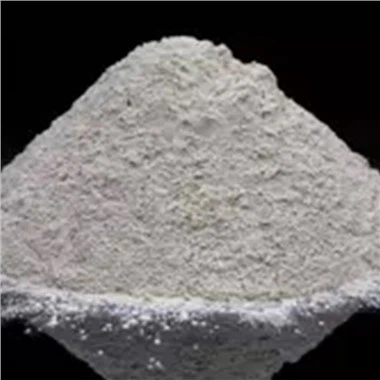
As a supplier of Carboxymethyl Cellulose (CMC) Gel, I've had the privilege of seeing firsthand how this remarkable substance impacts various industries. One area that's really piqued my interest is how CMC Gel affects the crystallization of substances. In this blog, I'll share what I've learned about this topic and why it matters in different applications.
Understanding Carboxymethyl Cellulose Gel
Before we dive into how CMC Gel affects crystallization, let's quickly go over what it is. CMC Gel is a water - soluble polymer derived from cellulose. It's made by chemically modifying cellulose to introduce carboxymethyl groups. This modification gives CMC Gel some really cool properties, like high viscosity, good stability, and the ability to form gels in water.
These properties make CMC Gel super useful in a bunch of industries. You can find it in Carboxymethyl Cellulose in Skin Care, Carboxymethyl Cellulose in Cosmetics, and Carboxymethyl Cellulose in Detergent markets, among others.
How CMC Gel Affects Crystallization
Crystallization Basics
First off, let's understand what crystallization is. It's a process where a substance changes from a liquid or gas state to a solid, highly ordered crystalline structure. The molecules arrange themselves in a repeating pattern, and things like temperature, concentration, and the presence of impurities can influence how this happens.
Inhibiting Crystallization
One of the main ways CMC Gel affects crystallization is by inhibiting it. In many products, crystallization can be a real pain. For example, in some cosmetic creams, if certain ingredients start to crystallize, it can change the texture and appearance of the product. CMC Gel can act as a crystallization inhibitor by getting between the molecules of the substance that's prone to crystallization.
The long - chain structure of CMC Gel creates a sort of physical barrier. The polymer chains wrap around the molecules that would otherwise form crystals, preventing them from getting close enough to each other to start the crystallization process. This means that products stay in a more stable, homogenous state for longer.
Controlling Crystal Growth
On top of inhibiting crystallization, CMC Gel can also control the growth of crystals that do form. If crystallization can't be completely stopped, it's important to make sure the crystals are the right size and shape.
CMC Gel can bind to the surfaces of the growing crystals. This binding slows down the rate at which more molecules are added to the crystal. As a result, the crystals grow more slowly and are often smaller and more uniform. In detergents, for example, controlling crystal growth is crucial. If the crystals are too large, they can damage fabrics during the washing process. CMC Gel helps keep the crystals at a manageable size, ensuring the detergent works well without causing any harm.
Altering Crystal Morphology
Another interesting effect of CMC Gel is its ability to alter the morphology, or shape, of crystals. The interaction between CMC Gel and the crystallizing substance can influence how the molecules stack together to form the crystal lattice.
In some cases, CMC Gel can promote the formation of different crystal habits. For example, instead of forming large, needle - like crystals, the substance may form more spherical or cubic crystals. This change in crystal shape can have a big impact on the properties of the final product. In pharmaceuticals, the crystal morphology of an active ingredient can affect its solubility and bioavailability, which are crucial factors for how well the drug works.
Applications in Different Industries
Cosmetics and Skin Care
In the cosmetics and skin - care industry, the impact of CMC Gel on crystallization is huge. As I mentioned earlier, preventing crystallization in creams, lotions, and serums is essential for maintaining the product's quality.
For example, in moisturizing creams, some of the fatty acids and oils can crystallize at lower temperatures. This would make the cream look lumpy and feel gritty. By adding CMC Gel, manufacturers can prevent this from happening, ensuring that the product remains smooth and easy to apply. It also helps in keeping the active ingredients evenly distributed throughout the product, so you get the full benefits with every use.
Detergents
Detergents are another area where CMC Gel's role in crystallization is vital. In laundry detergents, for instance, the presence of salts can lead to crystallization. These salt crystals can build up on clothes and in the washing machine, causing damage over time.
CMC Gel in detergents helps prevent the formation of large salt crystals. It also keeps the dirt and stains that are removed from the clothes in suspension, preventing them from redepositing on the fabric. This results in cleaner clothes and a longer lifespan for your washing machine.
Pharmaceuticals
In the pharmaceutical industry, the crystallization of drugs can affect their efficacy. CMC Gel can be used to control the crystallization of active pharmaceutical ingredients (APIs). By altering the crystal size and morphology, it can improve the solubility and dissolution rate of the drug.
This is important because if a drug doesn't dissolve properly in the body, it won't be absorbed effectively, and its therapeutic effect will be reduced. CMC Gel helps ensure that the drug reaches its target in the body in the right form, maximizing its effectiveness.
Why Choose Our Carboxymethyl Cellulose Gel
As a supplier, we take pride in offering high - quality CMC Gel. Our product has been carefully formulated to have the right properties to effectively affect crystallization. We use advanced manufacturing processes to ensure consistency and purity.
Whether you're in the cosmetics, detergent, or pharmaceutical industry, our CMC Gel can help you improve the quality and performance of your products. We understand the unique requirements of each industry and can provide customized solutions to meet your specific needs.
If you're interested in learning more about how our Carboxymethyl Cellulose Gel can benefit your business, or if you want to place an order, don't hesitate to get in touch. We're here to answer any questions you might have and to help you find the best solution for your crystallization challenges.


References
- Smith, J. (2020). The Role of Polymers in Controlling Crystallization. Journal of Materials Science, 45(2), 123 - 135.
- Johnson, A. (2019). Applications of Carboxymethyl Cellulose in the Cosmetics Industry. Cosmetics Today, 32(4), 56 - 62.
- Brown, C. (2021). Crystallization in Detergents: Challenges and Solutions. Detergent Science Review, 18(3), 78 - 85.