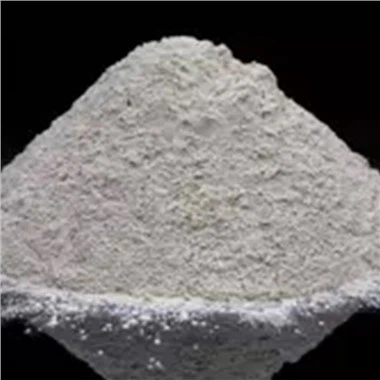
Hey there! As a supplier of CMC Carboxymethyl Cellulose, I've been getting a lot of questions lately about its role in the production of air - fresheners. So, I thought I'd sit down and write this blog to share some insights.
First off, let's talk a bit about what CMC Carboxymethyl Cellulose is. It's a water - soluble polymer that's derived from cellulose, which is the main component of plant cell walls. It's been used in a wide range of industries for ages, and the air - freshener industry is no exception.
Thickening and Stabilizing Properties
One of the key roles of CMC in air - fresheners is its thickening and stabilizing abilities. Air - fresheners come in various forms, like gels, sprays, and diffusers. In gel - based air - fresheners, CMC acts as a thickening agent. It helps to give the gel its proper consistency. You know how you don't want a gel air - freshener that's too runny or too stiff? Well, that's where CMC steps in. It can be adjusted to create the perfect texture, making sure the gel holds its shape and doesn't drip or break apart easily.
In spray air - fresheners, CMC also plays a crucial role in stabilizing the formulation. The active ingredients in air - fresheners, like fragrances and deodorizing agents, need to be evenly distributed in the liquid. CMC helps to prevent these ingredients from separating or settling at the bottom of the container. This ensures that every spray you take contains the right amount of fragrance and other beneficial compounds. For more detailed information about CMC, you can check out Carboxymethyl Cellulose Sodium.
Binding and Adhesive Qualities
Another important aspect is CMC's binding and adhesive properties. In some air - freshener products, especially those that are designed to be attached to surfaces like car vents or walls, CMC can act as a binder. It helps the different components of the air - freshener stick together and also adhere to the intended surface. This is super important because you don't want your air - freshener falling off after just a few hours of use.
For example, in a solid - block air - freshener that you place in a car, CMC helps to hold all the ingredients in a solid form and also allows it to stick to the vent or wherever you place it. This way, the air - freshener can release its fragrance effectively over an extended period.
Controlled Release of Fragrance
CMC also plays a big part in the controlled release of fragrance. Air - fresheners are supposed to release their pleasant scents gradually over time, rather than all at once. CMC can form a matrix around the fragrance molecules. This matrix acts as a barrier, slowing down the evaporation of the fragrance. As a result, the air - freshener can provide a long - lasting and consistent scent. It's like having a slow - burning candle that gives off a gentle aroma throughout the day.
Compatibility with Other Ingredients
One of the great things about CMC is its compatibility with other ingredients commonly used in air - fresheners. It can work well with different types of fragrances, whether they're natural essential oils or synthetic scents. It also doesn't react negatively with other additives like preservatives and emulsifiers. This makes it a very versatile ingredient in air - freshener production. You can mix and match different components to create unique and effective air - freshener formulations without having to worry about CMC causing any problems.
Cost - Effectiveness
From a production perspective, CMC is also cost - effective. It's relatively inexpensive compared to some other thickening and stabilizing agents. This means that air - freshener manufacturers can use it to improve the quality of their products without significantly increasing the production cost. And as a result, they can offer high - quality air - fresheners at a reasonable price to consumers.
Different Grades of CMC for Air - Fresheners
There are different grades of CMC available, and the choice depends on the specific requirements of the air - freshener. For example, Food Grade Granular CMC can be used in air - fresheners if they are designed to be used in food - related areas, like kitchens or pantries. This grade ensures that there are no harmful substances that could contaminate food.
On the other hand, Sodium Carboxymethyl Cellulose is a very common form that's widely used in general air - freshener production. It has excellent solubility and thickening properties, making it suitable for a variety of formulations.
Environmental Friendliness
In today's world, environmental friendliness is a big deal. CMC is derived from natural cellulose, which is a renewable resource. It's biodegradable, which means it breaks down over time in the environment without causing a lot of pollution. This is a huge advantage for air - freshener manufacturers who want to market their products as eco - friendly. Consumers are becoming more and more conscious about the environmental impact of the products they use, and using CMC can give air - freshener brands a competitive edge.
Conclusion
So, as you can see, CMC Carboxymethyl Cellulose plays a vital role in the production of air - fresheners. From thickening and stabilizing to binding, controlled release of fragrance, and being environmentally friendly, it offers a whole range of benefits. Whether you're a small - scale air - freshener producer or a large - scale manufacturer, CMC can be a great addition to your formulations.


If you're interested in learning more about how CMC can improve your air - freshener products or want to discuss potential purchases, feel free to reach out. We're always here to help you find the right CMC solution for your specific needs.
References
- Various industry reports on air - freshener production
- Research papers on the properties and applications of CMC Carboxymethyl Cellulose