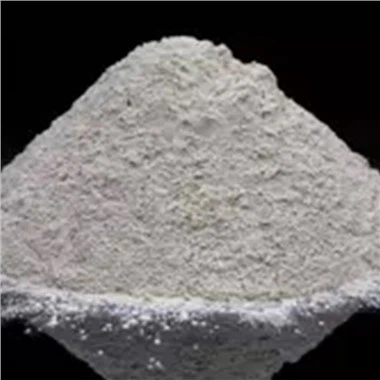
In the intricate world of oil drilling, the interaction between Oil Drilling Grade Organoclay and shale formations is a topic of paramount importance. As a leading supplier of Oil Drilling Grade Organoclay, I've witnessed firsthand the significance of this interaction in ensuring efficient and successful drilling operations. In this blog, we'll delve deep into how Oil Drilling Grade Organoclay interacts with shale formations, exploring the science behind it and its practical implications.
Understanding Shale Formations
Shale is a fine-grained sedimentary rock composed mainly of clay minerals and tiny fragments of other minerals. It is a prevalent rock type in many oil and gas reservoirs around the world. Shale formations often have unique characteristics, such as low permeability and high clay content, which can pose challenges during drilling. The clay minerals in shale are prone to swelling when they come into contact with water-based fluids, leading to wellbore instability, hole enlargement, and other drilling problems.
The Role of Oil Drilling Grade Organoclay
Oil Drilling Grade Organoclay is a specially treated clay material that is designed to be used in oil-based drilling fluids. It is typically derived from bentonite, a type of clay rich in montmorillonite. Through a process of cation exchange, the natural sodium or calcium ions in bentonite are replaced with organic cations, such as quaternary ammonium salts. This modification imparts hydrophobic properties to the clay, making it compatible with oil-based fluids and enhancing its performance in drilling applications.
Interaction Mechanisms
1. Rheological Modification
One of the primary ways in which Oil Drilling Grade Organoclay interacts with shale formations is by modifying the rheological properties of the drilling fluid. When added to an oil-based fluid, organoclay particles form a three-dimensional network structure through van der Waals forces and hydrogen bonding. This network structure increases the viscosity and gel strength of the fluid, which helps to suspend cuttings, prevent fluid loss, and maintain wellbore stability.
In the context of shale formations, the enhanced rheological properties of the drilling fluid are crucial for countering the effects of shale swelling. The high viscosity of the fluid helps to create a protective barrier around the wellbore, preventing the penetration of water-based fluids into the shale and reducing the potential for clay swelling. Additionally, the gel strength of the fluid allows it to support the weight of the cuttings and prevent them from settling at the bottom of the well, which can cause blockages and other drilling problems.
2. Adsorption on Shale Surfaces
Another important interaction mechanism is the adsorption of organoclay particles on the surface of shale. The organic cations on the organoclay particles have a strong affinity for the negatively charged surfaces of clay minerals in shale. When the drilling fluid comes into contact with the shale formation, the organoclay particles adsorb onto the shale surface, forming a thin film that acts as a physical barrier.
This adsorption layer helps to reduce the interaction between the shale and the drilling fluid, preventing the diffusion of water and other fluids into the shale matrix. It also helps to stabilize the shale surface, reducing the likelihood of shale sloughing and wellbore collapse. Moreover, the adsorption of organoclay on the shale surface can modify the surface properties of the shale, making it more hydrophobic and less prone to swelling.
3. Chemical Compatibility
Oil Drilling Grade Organoclay is chemically compatible with oil-based drilling fluids, which is essential for its effective interaction with shale formations. Unlike water-based fluids, oil-based fluids do not cause shale swelling because they do not contain water. The use of oil-based fluids with organoclay additives helps to maintain a stable wellbore environment and reduces the risk of drilling problems associated with shale instability.
In addition, the chemical compatibility of organoclay with oil-based fluids allows it to disperse evenly throughout the fluid, ensuring uniform rheological properties and consistent performance. This is particularly important in shale formations, where the drilling fluid needs to be able to penetrate into the small pores and fractures of the shale to provide effective lubrication and cooling.
Practical Implications
1. Wellbore Stability
The interaction between Oil Drilling Grade Organoclay and shale formations has a significant impact on wellbore stability. By modifying the rheological properties of the drilling fluid, adsorbing on the shale surface, and providing chemical compatibility, organoclay helps to prevent shale swelling and maintain a stable wellbore. This reduces the risk of wellbore collapse, hole enlargement, and other drilling problems, which can save time and money during the drilling process.
2. Drilling Efficiency
The use of Oil Drilling Grade Organoclay in oil-based drilling fluids can also improve drilling efficiency. The enhanced rheological properties of the fluid allow for better cuttings transport, reducing the need for frequent trips to clean the wellbore. The adsorption of organoclay on the shale surface helps to reduce friction between the drill string and the wellbore, improving the rate of penetration and reducing the wear and tear on the drilling equipment.
3. Environmental Considerations
In addition to its technical benefits, the use of Oil Drilling Grade Organoclay in oil-based drilling fluids also has environmental advantages. Oil-based fluids are generally considered to be more environmentally friendly than water-based fluids because they produce less waste and have a lower potential for contamination. The use of organoclay in oil-based fluids helps to improve the performance of the fluid, reducing the need for additional additives and chemicals, which can further minimize the environmental impact of the drilling operation.
Product Offerings
As a supplier of Oil Drilling Grade Organoclay, we offer a range of products to meet the specific needs of different drilling applications. Our Modified Bentonite with Oil Based Drilling is a high-quality organoclay product that is designed for use in oil-based drilling fluids. It provides excellent rheological properties and is highly effective in preventing shale swelling and maintaining wellbore stability.
Our Organic Bentonite with Primarily Diesel-based Drilling Fluids is specifically formulated for use in diesel-based drilling fluids. It offers good compatibility with diesel and provides reliable performance in a variety of drilling conditions.
We also offer Organoclay with Synthetic-oil Base Fluids, which is designed for use in synthetic-oil based drilling fluids. This product provides excellent rheological properties and is suitable for use in high-temperature and high-pressure drilling environments.
Conclusion
The interaction between Oil Drilling Grade Organoclay and shale formations is a complex and multifaceted process that plays a crucial role in oil drilling operations. Through its rheological modification, adsorption on shale surfaces, and chemical compatibility, organoclay helps to prevent shale swelling, maintain wellbore stability, and improve drilling efficiency. As a supplier of Oil Drilling Grade Organoclay, we are committed to providing high-quality products and technical support to our customers to ensure the success of their drilling operations.
If you are interested in learning more about our Oil Drilling Grade Organoclay products or have any questions about their application in shale formations, please feel free to contact us. We look forward to discussing your specific needs and providing you with the best solutions for your drilling projects.

References
- Smith, J. D., & Brown, R. L. (2015). Rheological properties of oil-based drilling fluids containing organoclay additives. Journal of Petroleum Science and Engineering, 134, 38-45.
- Johnson, M. A., & Miller, S. T. (2016). Adsorption of organoclay on shale surfaces and its effect on wellbore stability. SPE Drilling & Completion, 31(2), 203-210.
- Williams, P. D., & Green, R. E. (2017). Chemical compatibility of organoclay with oil-based drilling fluids and its impact on shale interaction. International Journal of Oil, Gas and Coal Technology, 14(3), 321-335.