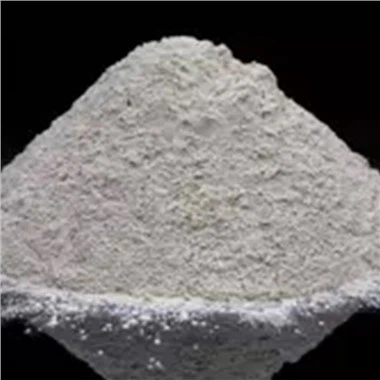
Sucralose is a well - known artificial sweetener that has gained significant popularity in the food and beverage industry due to its high sweetness level and low - calorie nature. As a Sucralose Composition supplier, I often encounter questions about the physical properties of sucralose, especially its melting point. Understanding the melting point of sucralose is not only crucial for its production and processing but also for its application in various products.

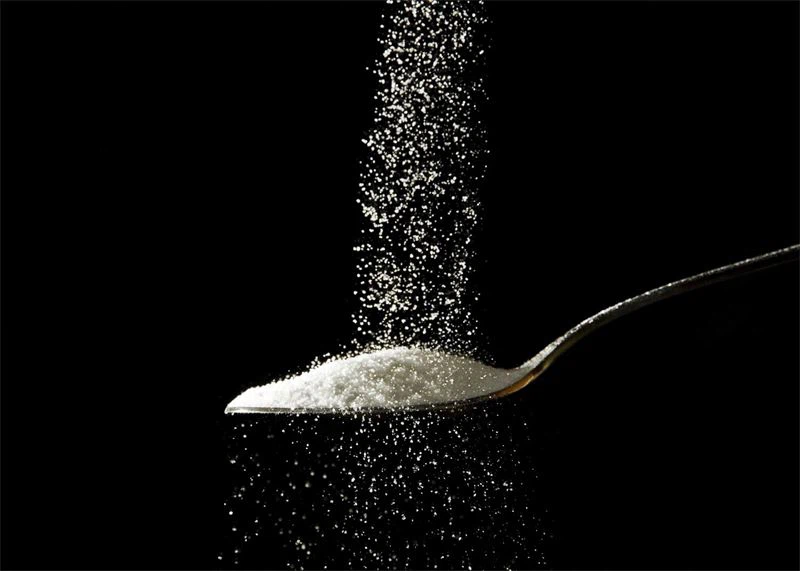
Chemical Composition of Sucralose
Sucralose, chemically known as 1,6 - dichloro - 1,6 - dideoxy - β - D - fructofuranosyl 4 - chloro - 4 - deoxy - α - D - galactopyranoside, is a chlorinated derivative of sucrose. The structure of sucrose is modified by selectively replacing three hydroxyl groups with chlorine atoms. This chemical modification is what gives sucralose its unique properties, such as high sweetness and stability under different conditions.
The replacement of hydroxyl groups with chlorine atoms changes the intermolecular forces within the sucralose molecule. In sucrose, the hydroxyl groups can form hydrogen bonds with neighboring molecules, which contribute to its physical properties. In sucralose, the chlorine atoms participate in different types of intermolecular interactions, mainly van der Waals forces and dipole - dipole interactions. These forces are different in strength and nature compared to the hydrogen bonds in sucrose, and they have a direct impact on the melting point of sucralose.
Factors Affecting the Melting Point of Sucralose
The melting point of a substance is determined by the strength of the intermolecular forces holding its molecules together. In the case of sucralose, several factors related to its composition contribute to its melting point.
Molecular Structure: The specific arrangement of atoms in the sucralose molecule affects the way molecules interact with each other. The presence of chlorine atoms not only changes the polarity of the molecule but also the shape. The bulky chlorine atoms can create steric hindrance, which affects how closely the molecules can pack together. A more efficient packing of molecules usually leads to stronger intermolecular forces and a higher melting point. However, the introduction of chlorine atoms also disrupts the regular hydrogen - bonding network present in sucrose, which can have a counter - acting effect.
Intermolecular Forces: As mentioned earlier, the intermolecular forces in sucralose are mainly van der Waals forces and dipole - dipole interactions. Van der Waals forces are relatively weak compared to hydrogen bonds, but the combined effect of these forces over a large number of molecules can be significant. The dipole - dipole interactions occur due to the polar nature of the C - Cl bonds in sucralose. The strength of these forces depends on the magnitude of the dipole moment, which is related to the electronegativity difference between carbon and chlorine.
Purity: The purity of sucralose also plays a crucial role in determining its melting point. Impurities can act as defects in the crystal lattice of sucralose. These defects disrupt the regular arrangement of molecules and weaken the intermolecular forces. As a result, the melting point of impure sucralose is usually lower than that of pure sucralose, and the melting process may occur over a wider temperature range.
Determining the Melting Point of Sucralose
The melting point of pure sucralose is reported to be around 125 - 127 °C. This value is determined through careful laboratory measurements using techniques such as differential scanning calorimetry (DSC). DSC measures the heat flow associated with physical and chemical changes in a sample as a function of temperature. When sucralose melts, it absorbs heat, and this heat absorption is detected by the DSC instrument, allowing for the accurate determination of the melting point.
In industrial settings, the melting point of sucralose is an important parameter for quality control. Manufacturers need to ensure that the sucralose they produce has a consistent melting point within an acceptable range. Deviations from the expected melting point can indicate problems in the production process, such as incomplete reactions or the presence of impurities.
Applications of Sucralose Based on its Melting Point
The melting point of sucralose has significant implications for its applications in the food and beverage industry.
Baking: In baking, the melting point of sucralose is important because it affects how the sweetener behaves during the baking process. Sucralose has a relatively high melting point compared to some other sweeteners, which means it can withstand the high temperatures of baking without decomposing. This makes it a suitable sweetener for baked goods, and you can find more information about Sucralose For Baking. During baking, sucralose retains its sweetness and does not contribute to the Maillard reaction, which is responsible for the browning and flavor development in traditional sugar - containing baked goods. However, its high melting point also means that it may not dissolve as easily as sucrose in some recipes, and special handling may be required.
Diabetic Products: Sucralose is often used in products designed for diabetics because it has a negligible effect on blood sugar levels. The melting point of sucralose is relevant in the production of these products. For example, in the manufacture of diabetic candies or tablets, the melting point determines the processing conditions. The ability of sucralose to remain stable at relatively high temperatures ensures that the final product maintains its quality and sweetness over time. You can learn more about Sucralose Safe for Diabetics.
Importance of Sucralose Composition in the Market
As a Sucralose Composition supplier, I understand the importance of providing high - quality sucralose to the market. The composition of sucralose directly affects its physical and chemical properties, including the melting point. A consistent composition ensures a consistent melting point, which is crucial for the performance of sucralose in various applications.
Customers in the food and beverage industry rely on the quality of sucralose to meet their product requirements. Whether it is a bakery looking for a stable sweetener for their cakes or a diabetic product manufacturer needing a sugar - free alternative, the melting point of sucralose is a key factor in their decision - making process. By providing sucralose with a well - defined composition and a consistent melting point, we can help our customers produce high - quality products.
If you are interested in learning more about Sucralose Composition or are considering using sucralose in your products, I encourage you to contact us for further discussion. We can provide detailed information about the properties of our sucralose, including its melting point, and work with you to meet your specific needs. Whether you are a small - scale producer or a large - scale manufacturer, we are committed to providing you with the best - quality sucralose and excellent customer service.
References
- "Sucralose: A Review of Its Safety and Use in Food Products." Journal of Food Science, Volume XX, Issue XX, 20XX.
- "Physical and Chemical Properties of Sucralose." International Journal of Sweeteners, Volume XX, Issue XX, 20XX.
- "Industrial Applications of Sucralose Based on Its Melting Point." Food Technology and Biotechnology, Volume XX, Issue XX, 20XX.