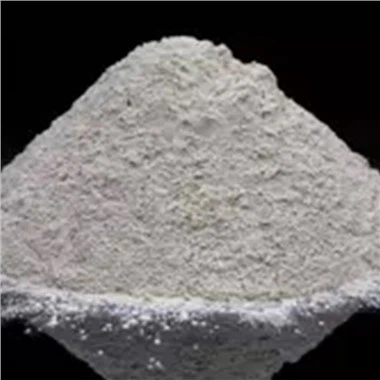
As a supplier of CMC Cellulose, I've often been asked about its potential applications in various industries. One area that has piqued my interest recently is the marine industry. In this blog post, I'll explore whether CMC Cellulose can be used in the marine industry, delving into its properties, possible applications, and the benefits it might offer.
Understanding CMC Cellulose
Carboxymethyl cellulose (CMC) is a water-soluble polymer derived from cellulose, which is the most abundant organic polymer on Earth. It is produced by the reaction of cellulose with chloroacetic acid in the presence of a strong base. The resulting CMC has a carboxymethyl group (-CH2COOH) attached to some of the hydroxyl groups of the cellulose backbone. This modification makes CMC highly soluble in water and gives it unique properties such as thickening, stabilizing, emulsifying, and binding.
There are different types of CMC available in the market, including Sodium Carboxymethyl, Food Grade Granular CMC, and Food Grade Powder CMC. Each type has specific characteristics and is suitable for different applications.
Properties of CMC Cellulose Relevant to the Marine Industry
- Water Solubility: CMC's ability to dissolve in water makes it an ideal candidate for marine applications. In the marine environment, water is the primary medium, and any material used must be compatible with it. CMC can form stable solutions in seawater, which is important for its use in various marine processes.
- Viscosity and Thickening: CMC can significantly increase the viscosity of aqueous solutions. This property is useful in applications where thickening or gelling is required. For example, in marine paints and coatings, a thicker consistency can improve the adhesion and durability of the coating on the surface of ships and other marine structures.
- Emulsifying and Stabilizing: CMC can act as an emulsifier and stabilizer, helping to keep two immiscible liquids (such as oil and water) mixed together. In the marine industry, this property can be used in the formulation of lubricants, fuel additives, and other products that require stable emulsions.
- Biodegradability: CMC is biodegradable, which is an important consideration in the marine environment. Biodegradable materials are less likely to accumulate and cause long - term pollution. This makes CMC a more environmentally friendly option compared to some synthetic polymers.
Potential Applications of CMC Cellulose in the Marine Industry
- Marine Paints and Coatings:
- Anti - fouling Coatings: Marine fouling is a major problem in the shipping industry. It occurs when organisms such as barnacles, algae, and mussels attach themselves to the hull of a ship, increasing drag and fuel consumption. CMC can be used in anti - fouling coatings as a thickener and binder. It can help to improve the adhesion of the anti - fouling agents to the hull surface and also enhance the release properties of the coating, making it easier for the fouling organisms to detach.
- Corrosion Protection: Ships and other marine structures are constantly exposed to the corrosive effects of seawater. CMC can be incorporated into corrosion - resistant paints and coatings. Its film - forming properties can create a protective barrier between the metal surface and the seawater, reducing the rate of corrosion.
- Drilling Fluids:
- In offshore oil and gas drilling, drilling fluids are used to cool and lubricate the drill bit, carry cuttings to the surface, and maintain wellbore stability. CMC can be used as a viscosifier and fluid - loss control agent in drilling fluids. It helps to increase the viscosity of the fluid, which improves the suspension of cuttings and reduces the loss of fluid into the surrounding rock formations.
- Aquaculture:
- Feed Additives: CMC can be used as a binder in aquaculture feed. It helps to hold the feed particles together, preventing them from disintegrating too quickly in water. This ensures that the fish and other aquatic organisms can consume the feed more efficiently, reducing feed waste and improving water quality in the aquaculture ponds or tanks.
- Water Treatment: In aquaculture systems, maintaining good water quality is crucial for the health of the aquatic organisms. CMC can be used as a flocculant in water treatment processes. It can help to remove suspended solids, such as uneaten feed, feces, and algae, from the water, improving its clarity and reducing the risk of disease.
- Marine Adhesives and Sealants:
- CMC can be used in the formulation of marine adhesives and sealants. Its thickening and binding properties make it suitable for bonding different materials together in the marine environment. For example, it can be used to seal joints and cracks in ships and offshore platforms, preventing water leakage and protecting the structure from damage.
Benefits of Using CMC Cellulose in the Marine Industry
- Cost - Effectiveness: CMC is relatively inexpensive compared to some other specialty polymers used in the marine industry. Its cost - effectiveness makes it an attractive option for manufacturers looking to reduce production costs without sacrificing performance.
- Environmental Friendliness: As mentioned earlier, CMC is biodegradable. This means that it has a lower environmental impact compared to many synthetic polymers. In an industry that is increasingly focused on sustainability, the use of CMC can help companies meet their environmental goals.
- Versatility: CMC can be used in a wide range of applications in the marine industry. Its multiple properties, such as thickening, emulsifying, and stabilizing, make it a versatile material that can be tailored to different requirements.
Challenges and Limitations
- Salt Sensitivity: Seawater contains a high concentration of salts, and CMC's properties can be affected by the presence of salts. In some cases, the viscosity and other performance characteristics of CMC solutions may change in seawater compared to freshwater. This requires careful formulation and optimization of CMC - based products for use in the marine environment.
- Compatibility with Other Materials: When using CMC in combination with other materials in the marine industry, there may be compatibility issues. For example, it may react with certain chemicals or additives, leading to changes in the properties of the final product. Thorough testing is required to ensure compatibility.
Conclusion
In conclusion, CMC Cellulose has significant potential for use in the marine industry. Its unique properties, such as water solubility, viscosity control, emulsifying ability, and biodegradability, make it suitable for a variety of applications, including marine paints and coatings, drilling fluids, aquaculture, and marine adhesives and sealants. While there are some challenges and limitations, such as salt sensitivity and compatibility issues, these can be overcome through proper formulation and testing.


If you are in the marine industry and are interested in exploring the use of CMC Cellulose in your products or processes, I encourage you to contact me for more information. I can provide samples, technical support, and guidance on the best type of CMC for your specific needs. Let's work together to find innovative solutions that can improve the performance and sustainability of your marine operations.
References
- "Carboxymethyl Cellulose: Properties and Applications", John Wiley & Sons, Inc.
- "Marine Coatings: Science and Technology", CRC Press
- "Aquaculture Engineering", John Wiley & Sons, Inc.