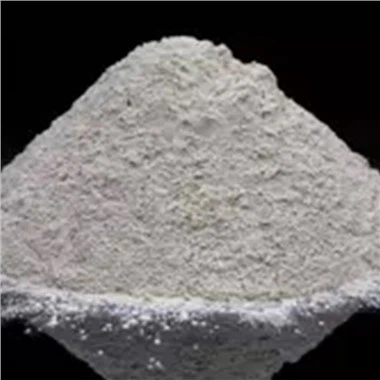
Sucralose is a well - known artificial sweetener that has gained significant popularity, especially among diabetics. As a supplier of Sucralose Safe for Diabetics, I am often asked about the glycemic index of sucralose and its implications for those managing diabetes. In this blog, we will explore in detail what the glycemic index of sucralose is and how it can be a beneficial option for diabetics.
Understanding the Glycemic Index
The glycemic index (GI) is a measure that ranks carbohydrates in foods based on how they affect blood glucose levels compared to pure glucose. A food with a high GI (70 or above) is rapidly digested and absorbed, causing a quick and significant spike in blood sugar. On the other hand, a food with a low GI (55 or below) is digested and absorbed more slowly, resulting in a more gradual and modest increase in blood glucose.
For diabetics, the glycemic index is a crucial tool. By choosing foods with a low GI, they can better manage their blood sugar levels, which is essential for preventing complications such as nerve damage, kidney problems, and cardiovascular diseases.
What is Sucralose?
Sucralose is an artificial sweetener that is made from sugar through a multi - step chemical process. It is about 400 - 800 times sweeter than sucrose (table sugar) but contains virtually no calories. This makes it an attractive alternative for those looking to reduce their calorie intake, especially diabetics who need to carefully manage their carbohydrate and calorie consumption.

The Glycemic Index of Sucralose
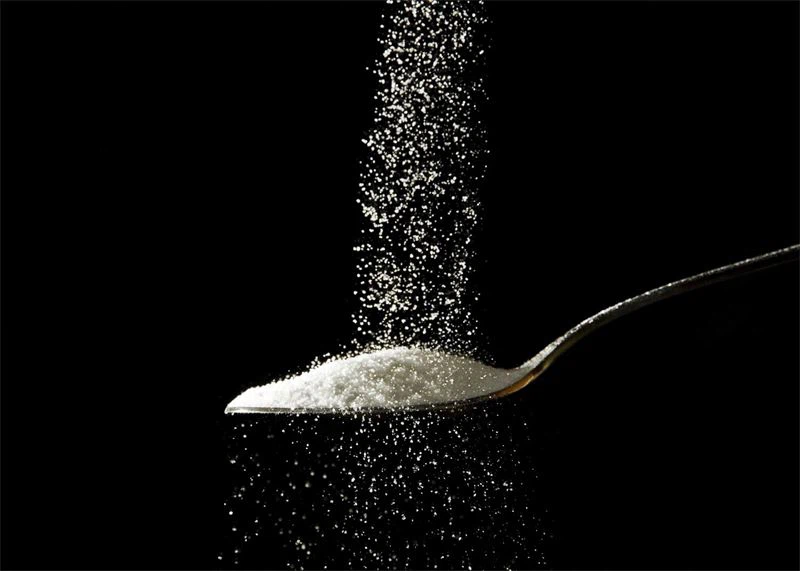
The glycemic index of sucralose is 0. This is because sucralose is not metabolized in the body in the same way as carbohydrates. It passes through the digestive system largely unchanged and is excreted in the urine. Since it does not break down into glucose, it does not cause an increase in blood sugar levels.
This characteristic of sucralose makes it an ideal sweetening option for diabetics. They can enjoy the sweet taste in their foods and beverages without having to worry about the negative impact on their blood glucose. For example, a diabetic person can use sucralose to sweeten their coffee or tea in the morning, or add it to their yogurt for a sweet treat, all without experiencing a spike in blood sugar.
Sucralose in Different Forms
We offer a variety of sucralose products that are suitable for different needs.
- Granulated Sucralose: Our Granulated Sucralose is a convenient option. It looks and measures like sugar, making it easy to substitute in recipes. You can use it in the same way you would use table sugar, whether it's for sprinkling on cereal or using in baking. It dissolves quickly and provides a pure, sweet taste without the calories.
- Sucralose For Baking: If you love to bake, our Sucralose For Baking is the perfect choice. It can withstand high temperatures without losing its sweetness, allowing you to create delicious cakes, cookies, and breads. Since it has a glycemic index of 0, your diabetic customers can enjoy these baked goods without any concerns about blood sugar spikes.
- Food Grade Sucralose Liquid: Our Food Grade Sucralose Liquid is a versatile option. It can be easily added to beverages, smoothies, or used in liquid - based recipes. The liquid form makes it very easy to control the amount of sweetener you add, ensuring precise sweetness levels.
Benefits of Sucralose for Diabetics
Apart from its zero glycemic index, sucralose offers several other benefits for diabetics:
- Calorie Control: As mentioned earlier, sucralose is virtually calorie - free. This is important for diabetics who often need to manage their weight. By replacing high - calorie sugar with sucralose, they can reduce their overall calorie intake without sacrificing the sweet taste they enjoy.
- Dental Health: Sucralose does not contribute to tooth decay. Unlike sugar, which can be broken down by bacteria in the mouth to produce acids that damage teeth, sucralose is not metabolized by oral bacteria. This makes it a better choice for maintaining good dental health.
- Versatility: Sucralose can be used in a wide variety of foods and beverages. It can be added to hot or cold drinks, used in cooking and baking, and incorporated into both sweet and savory recipes. This versatility allows diabetics to enjoy a diverse diet while still keeping their blood sugar in check.
Safety of Sucralose
Sucralose has been extensively studied for its safety. Regulatory agencies around the world, such as the U.S. Food and Drug Administration (FDA) and the European Food Safety Authority (EFSA), have approved the use of sucralose as a food additive. Multiple studies have shown that sucralose does not have any adverse effects on blood sugar, insulin levels, or other metabolic parameters in humans.
Using Sucralose in a Diabetic Diet
When using sucralose in a diabetic diet, it's important to remember that while it does not affect blood sugar levels, overall diet management is still crucial. Diabetics should still focus on consuming a balanced diet that includes plenty of fruits, vegetables, whole grains, lean proteins, and healthy fats.
Sucralose can be used as part of a meal plan to add sweetness to foods and beverages. For example, it can be used to sweeten a low - carbohydrate fruit salad or to make a sugar - free dessert. However, it should not be used as an excuse to overconsume other high - calorie or high - carbohydrate foods.
Conclusion
In conclusion, sucralose with a glycemic index of 0 is an excellent sweetening option for diabetics. It allows them to enjoy the sweet taste they love without the negative impact on blood sugar levels. As a supplier of Sucralose Safe for Diabetics, we are committed to providing high - quality sucralose products in various forms to meet the diverse needs of our customers.
If you are interested in purchasing our sucralose products for your business or personal use, we welcome you to contact us for more information and to start a procurement negotiation. We are here to help you make the best choice for your needs and to support you in providing safe and delicious sweetening options for diabetics.
References
- American Diabetes Association. (2023). Sweeteners and Diabetes.
- U.S. Food and Drug Administration. (2023). Sucralose - Food Additive Status List.
- European Food Safety Authority. (2023). Scientific Opinion on the re - evaluation of sucralose (E 955) as a food additive.