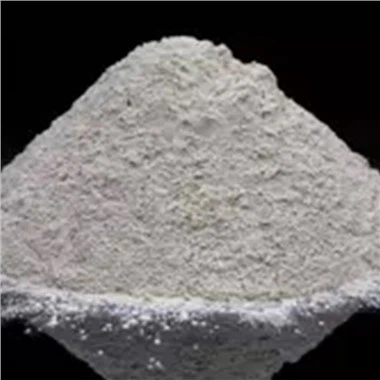
Hey there! As a supplier of CMC Carboxymethyl Cellulose, I've had my fair share of experiences and insights into how this amazing substance interacts with surfactants in solutions. Let's dive right into it!
First off, what's CMC Carboxymethyl Cellulose? Well, it's a water - soluble polymer derived from cellulose. You can learn more about it here: CMC Carboxymethyl Cellulose. It's used in a ton of industries, like food, pharmaceuticals, and cosmetics. And surfactants? They're compounds that lower the surface tension between two liquids or between a liquid and a solid.
Now, when CMC and surfactants meet in a solution, it's like a chemical dance. There are several factors that influence how they interact, and understanding these can really help in various applications.
Electrostatic Interactions
One of the key ways CMC and surfactants interact is through electrostatic forces. CMC is an anionic polymer, which means it has a negative charge. Surfactants can be anionic, cationic, non - ionic, or zwitterionic.
If we're dealing with an anionic surfactant, things can get a bit tricky. Since both CMC and the anionic surfactant are negatively charged, they tend to repel each other. But under certain conditions, like at a specific pH or in the presence of salts, there can still be some weak interactions. For example, in a high - salt environment, the salts can screen the negative charges, allowing the anionic surfactant and CMC to come closer.
On the other hand, cationic surfactants have a positive charge. So, they have a strong attraction to the negatively charged CMC. This attraction can lead to the formation of complexes. These complexes can change the properties of the solution significantly. For instance, they can increase the viscosity of the solution. This is super useful in applications where you need a thickening effect, like in some food products or personal care items. You can find more about a common form of CMC, Sodium Carboxymethyl Cellulose, which also participates in these electrostatic interactions.
Non - ionic surfactants don't have a charge. They interact with CMC mainly through hydrophobic interactions. CMC has some hydrophobic regions along its polymer chain. The non - ionic surfactant can interact with these regions, leading to the formation of aggregates. This can affect the solubility and stability of CMC in the solution.
Hydrophobic Interactions
As mentioned earlier, CMC has hydrophobic parts in its structure. Surfactants, especially those with long hydrocarbon chains, can interact with these hydrophobic regions. This interaction can cause the surfactant molecules to adsorb onto the CMC chains.
When surfactants adsorb onto CMC, it can change the conformation of the CMC chains. The CMC chains might become more coiled or extended, depending on the type and concentration of the surfactant. This change in conformation can have a big impact on the rheological properties of the solution. For example, in a cosmetic lotion, this interaction can make the lotion have a better spreadability and a more pleasant texture.


Applications in Different Industries
Food Industry
In the food industry, the interaction between CMC and surfactants is crucial. Food Grade Powder CMC is often used as a thickener, stabilizer, and emulsifier. When combined with surfactants, it can enhance these properties. For example, in salad dressings, the interaction between CMC and an appropriate surfactant can prevent the oil and water phases from separating. The surfactant helps in dispersing the oil droplets, and CMC keeps them in suspension, giving the dressing a smooth and consistent texture.
Pharmaceutical Industry
In pharmaceuticals, CMC is used in drug formulations. The interaction with surfactants can affect the solubility and release of drugs. For instance, if a drug is poorly soluble, the complex formed between CMC and a surfactant can increase its solubility. This can improve the bioavailability of the drug, which means the body can absorb it more effectively.
Cosmetic Industry
Cosmetics rely heavily on the interaction between CMC and surfactants. In shampoos, for example, the combination of CMC and surfactants can provide a rich lather and also condition the hair. The CMC - surfactant complex can adhere to the hair, making it smoother and more manageable. In creams and lotions, the interaction can control the viscosity and stability of the product, ensuring a long - shelf life and good user experience.
Factors Affecting the Interaction
pH
The pH of the solution plays a huge role in the interaction between CMC and surfactants. As I mentioned before, the charge of CMC can be affected by pH. At a low pH, the carboxyl groups on CMC might become protonated, reducing its negative charge. This can change the way it interacts with surfactants. For example, at a low pH, the interaction between CMC and a cationic surfactant might be weaker because the negative charge on CMC is reduced.
Temperature
Temperature also matters. An increase in temperature can break some of the weak interactions between CMC and surfactants. For example, the hydrophobic interactions can be disrupted at high temperatures. This can lead to a change in the properties of the solution, like a decrease in viscosity.
Concentration
The concentration of both CMC and the surfactant is important. If the concentration of the surfactant is too low, there might not be enough interaction with CMC. But if the concentration is too high, it can lead to the formation of large aggregates, which can cause phase separation in the solution.
Practical Implications for Suppliers and Users
As a CMC supplier, understanding these interactions is essential. It allows us to recommend the right type of CMC and the appropriate surfactants for different applications. We can also help customers optimize the conditions, like pH and temperature, to get the best results.
For users, this knowledge can help in formulating better products. Whether you're in the food, pharmaceutical, or cosmetic industry, being able to control the interaction between CMC and surfactants can lead to products with improved quality, stability, and performance.
If you're interested in using CMC in your products and want to explore how it can interact with surfactants for your specific needs, I'd love to have a chat. We can discuss the best options and work together to create the perfect solution.
References
- "Handbook of Water - Soluble Gums and Resins" by Robert L. Davidson
- "Surfactant Science Series" edited by Milton J. Rosen
- Research papers on polymer - surfactant interactions in academic journals such as "Journal of Colloid and Interface Science" and "Langmuir"