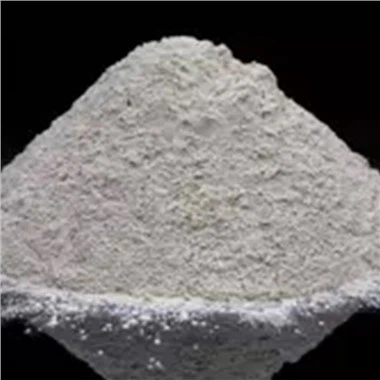
Hey there! As a supplier of Food Grade Powder CMC, I'm super stoked to chat with you about what this amazing stuff can do. So, let's dive right in and explore the functions of Food Grade Powder CMC.
Thickening Agent
One of the most common functions of Food Grade Powder CMC is its role as a thickening agent. In the food industry, getting the right consistency is crucial. Whether it's a sauce, a dressing, or a dessert, the texture can make or break the whole experience. CMC Carboxymethyl Cellulose /carboxymethyl-cellulose/carboxymethyl-cellulose-in-food/cmc-carboxymethyl-cellulose.html is a game - changer here.
When you add Food Grade Powder CMC to a liquid, it dissolves and forms a viscous solution. This is because the long - chain molecules of CMC entangle with each other and with the water molecules in the liquid. As a result, the flow of the liquid is restricted, and it becomes thicker. For example, in a tomato sauce, adding a small amount of CMC can turn a runny sauce into a thick, spreadable one. It gives the sauce a better mouthfeel and also helps it cling to the food, enhancing the overall flavor delivery.
In ice cream production, CMC acts as a thickening agent too. It helps to prevent the formation of ice crystals during freezing. By thickening the ice cream mixture, it reduces the mobility of water molecules, making it harder for them to form large ice crystals. This results in a smoother, creamier ice cream that melts more slowly.
Stabilizing Agent
Food Grade Powder CMC is also an excellent stabilizing agent. In many food products, there are different components that tend to separate over time. For instance, in salad dressings, oil and water are two immiscible substances. Without a stabilizing agent, the oil would rise to the top, and the dressing would become an unappetizing mess.


Sodium Carboxymethyl Cellulose /carboxymethyl-cellulose/carboxymethyl-cellulose-in-food/sodium-carboxymethyl-cellulose.html comes to the rescue here. It forms a protective layer around the oil droplets in the dressing. This layer prevents the oil droplets from coalescing and rising to the surface. The CMC molecules also help to keep the water and other ingredients in a homogeneous mixture. So, even after sitting on the shelf for a while, the salad dressing remains well - mixed and has a consistent appearance.
In dairy products like yogurt, CMC helps to stabilize the milk proteins. It prevents the proteins from coagulating and separating from the whey. This ensures that the yogurt has a smooth texture and a uniform appearance throughout its shelf life.
Emulsifying Agent
Emulsions are mixtures of two immiscible liquids, like oil and water. Food Grade Powder CMC can act as an emulsifying agent to help create and maintain these mixtures. When used in an emulsion, CMC reduces the surface tension between the oil and water phases.
Take mayonnaise as an example. Mayonnaise is an oil - in - water emulsion, where tiny oil droplets are dispersed in a water - based phase. CMC helps to surround the oil droplets and keep them evenly distributed in the water phase. This prevents the oil from separating out and gives mayonnaise its characteristic thick, creamy texture.
Binding Agent
In the production of processed meats, such as sausages and burgers, Food Grade Powder CMC serves as a binding agent. These meat products often contain a mixture of different meat cuts, along with other ingredients like spices, fillers, and water. CMC helps to hold all these components together.
The long - chain molecules of CMC form a network that entraps the meat particles, water, and other ingredients. This improves the cohesion of the meat product, making it easier to shape and form. It also helps to retain moisture during cooking, preventing the meat from drying out and becoming tough. As a result, the processed meat products have a better texture and juiciness.
Film - forming Agent
Food Grade Powder CMC can form a thin, edible film. This property is useful in food packaging and preservation. When applied to the surface of fruits and vegetables, CMC forms a protective film that helps to reduce moisture loss. This extends the shelf life of the produce and keeps it fresh for longer.
The film also acts as a barrier against oxygen, which can cause oxidation and spoilage. For example, apples treated with a CMC - based film will stay crisp and less prone to browning compared to untreated apples.
Dietary Fiber
Another great aspect of Food Grade Powder CMC is that it can be considered a dietary fiber. Dietary fiber is important for our digestive health. It adds bulk to our diet, which helps to prevent constipation and promotes regular bowel movements.
When consumed, CMC passes through the digestive system relatively intact. It absorbs water in the intestines, swelling up and making the stool softer and easier to pass. It also acts as a prebiotic, providing food for the beneficial bacteria in our gut. This helps to maintain a healthy gut microbiome, which is associated with many health benefits, including improved immune function and better mental health.
Why Choose Our Food Grade Powder CMC?
As a supplier of Food Grade Powder CMC, we take pride in offering a high - quality product. Our CMC is carefully manufactured to meet the strictest food safety standards. We use advanced production techniques to ensure a consistent quality in every batch.
Our product is highly pure, which means you can get the maximum functionality with minimal impurities. Whether you're a small - scale food producer or a large - scale manufacturer, our Food Grade Powder CMC can be customized to suit your specific needs.
If you're in the food industry and looking for a reliable supplier of Food Grade Powder CMC, we'd love to hear from you. Whether you want to improve the texture of your sauces, stabilize your emulsions, or add dietary fiber to your products, our CMC can be the solution you've been searching for. Contact us to start a conversation about how our Food Grade Powder CMC can enhance your food products.
References
- "Food Hydrocolloids: Gums and Stabilizers in the Food Industry" by G. O. Phillips and P. A. Williams.
- "Handbook of Food Additives" edited by A. L. Branen, P. M. Davidson, and S. Salminen.