Hey there! As a CMC Cellulose supplier, I've been getting a bunch of questions about the purity requirements for CMC Cellulose in different applications. So, I thought I'd sit down and write this blog to share some insights.
Let's start with the basics. CMC Cellulose, or Carboxymethyl Cellulose, is a water-soluble polymer that's derived from cellulose. It's used in a wide range of industries, from food and pharmaceuticals to oil and gas. And the purity requirements can vary a lot depending on where it's being used.
Food Industry
In the food industry, CMC Cellulose is used as a thickener, stabilizer, and emulsifier. It helps to improve the texture and shelf life of many food products. When it comes to food applications, the purity requirements are pretty strict.
For starters, the CMC Cellulose used in food must meet certain safety standards. It should be free from harmful contaminants like heavy metals, pesticides, and microorganisms. The purity of food-grade CMC Cellulose is usually very high, often above 99%.
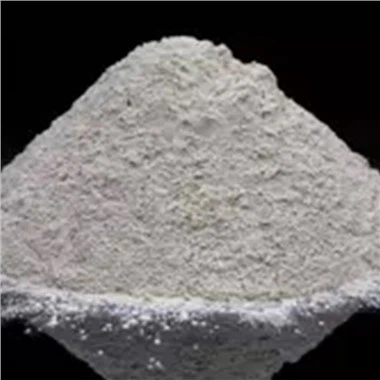
One of the most common types of CMC Cellulose used in food is Food Grade Powder CMC. This powder is highly pure and can be easily dissolved in water. It's used in products like ice cream, yogurt, and salad dressings to give them a smooth and creamy texture.
Another type is Sodium Carboxymethyl, which is also widely used in the food industry. It's a sodium salt of CMC Cellulose and has excellent solubility and thickening properties. It's often used in bakery products to improve their moisture retention and freshness.
Pharmaceutical Industry
In the pharmaceutical industry, CMC Cellulose is used as a binder, disintegrant, and suspending agent. It plays a crucial role in the formulation of tablets, capsules, and liquid medications.
The purity requirements in the pharmaceutical industry are even more stringent than in the food industry. Pharmaceutical-grade CMC Cellulose must be of the highest quality and meet strict regulatory standards. It should be free from impurities that could affect the safety and efficacy of the medications.
The purity of pharmaceutical-grade CMC Cellulose is typically above 99.5%. It undergoes rigorous testing to ensure that it meets the specifications set by regulatory authorities like the FDA and the European Pharmacopoeia.
For example, in tablet formulations, CMC Cellulose is used as a binder to hold the ingredients together. If the CMC Cellulose is not pure enough, it could affect the dissolution rate of the tablet and reduce its effectiveness. So, it's essential to use high-purity CMC Cellulose in pharmaceutical applications.
Oil and Gas Industry
In the oil and gas industry, CMC Cellulose is used as a drilling fluid additive. It helps to control the viscosity and filtration properties of the drilling fluid, which is crucial for efficient drilling operations.
The purity requirements in the oil and gas industry are different from those in the food and pharmaceutical industries. While high purity is still important, the focus is more on the functional properties of the CMC Cellulose.


The CMC Cellulose used in drilling fluids should have good solubility, viscosity, and thermal stability. It should also be able to withstand the harsh conditions downhole, such as high temperatures and pressures.
The purity of CMC Cellulose used in the oil and gas industry is usually around 95 - 98%. This level of purity is sufficient to provide the necessary functional properties without adding unnecessary costs.
Other Industries
CMC Cellulose is also used in other industries, such as cosmetics, textiles, and paper. In each of these industries, the purity requirements are tailored to the specific application.
In the cosmetics industry, for example, CMC Cellulose is used as a thickener and stabilizer in creams, lotions, and shampoos. The purity requirements are similar to those in the food industry, as the product will come into contact with the skin.
In the textile industry, CMC Cellulose is used as a sizing agent to improve the weaving process. The purity requirements are mainly focused on ensuring that the CMC Cellulose does not leave any residues on the fabric.
In the paper industry, CMC Cellulose is used as a paper coating agent to improve the printability and surface properties of the paper. The purity requirements are related to the quality of the final paper product.
Conclusion
As you can see, the purity requirements for CMC Cellulose vary widely depending on the application. Whether it's in the food, pharmaceutical, oil and gas, or other industries, it's essential to use CMC Cellulose that meets the specific purity standards.
At our company, we understand the importance of purity in different applications. That's why we offer a wide range of CMC Cellulose products with different purity levels to meet the diverse needs of our customers.
If you're interested in purchasing CMC Cellulose for your specific application, feel free to reach out to us. We'd be happy to discuss your requirements and provide you with the best solutions.
References
- Handbook of Food Additives, Second Edition
- Pharmaceutical Dosage Forms: Tablets, Third Edition
- Drilling Fluids Technology: Theory and Practice
So, don't hesitate to contact us if you have any questions or if you're ready to start your procurement. We're here to help you get the right CMC Cellulose for your needs.