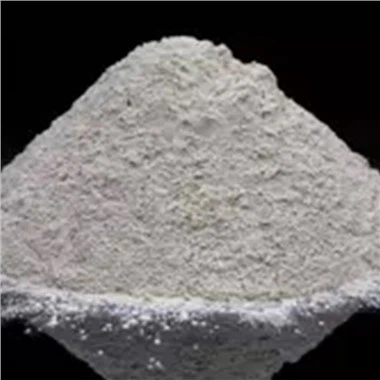
CMC Cellulose, a widely recognized and utilized compound, has become a staple in various industries. As a supplier of CMC Cellulose, I am often asked about its full - form and its significance. In this blog, we will delve into the full - form of CMC Cellulose, its properties, applications, and why it is such an important product in the market.
What is the Full - form of CMC Cellulose?
The full - form of CMC Cellulose is Carboxymethyl Cellulose. It is a cellulose derivative in which some of the hydroxyl groups on the glucopyranose monomers that make up the cellulose backbone have been substituted with carboxymethyl groups. The chemical formula of CMC is [C₆H₇O₂(OH)₃₋ₓ(OCH₂COONa)ₓ]ₙ, where x represents the degree of substitution.


How is CMC Cellulose Produced?
The production of CMC Cellulose involves a series of chemical reactions. First, cellulose, which is commonly sourced from wood pulp or cotton linters, is treated with sodium hydroxide to form an alkali cellulose. Then, this alkali cellulose reacts with monochloroacetic acid or its sodium salt to introduce carboxymethyl groups onto the cellulose backbone. The reaction conditions, such as temperature, pressure, and reaction time, can be adjusted to control the degree of substitution and the properties of the final CMC product.
Properties of CMC Cellulose
- Water - solubility: One of the most remarkable properties of CMC Cellulose is its ability to dissolve in water. Depending on the degree of substitution and molecular weight, CMC can form clear or slightly hazy solutions in water. This property makes it an excellent thickening, stabilizing, and emulsifying agent in aqueous systems.
- Viscosity: CMC solutions exhibit pseudoplastic behavior, which means that the viscosity of the solution decreases as the shear rate increases. This property is highly desirable in many applications, such as in the food and cosmetic industries, where it allows for easy pouring and spreading of products while still providing the necessary thickening and stability.
- Chemical stability: CMC Cellulose is relatively stable under normal conditions. It is resistant to most acids, alkalis, and salts within a certain pH range. However, extreme pH values or the presence of certain metal ions can affect its stability and properties.
- Film - forming ability: CMC can form thin, flexible, and transparent films when its solutions are dried. This property is utilized in applications such as coating agents for food products, pharmaceuticals, and paper.
Applications of CMC Cellulose
- Food industry: CMC Cellulose is widely used in the food industry as a thickener, stabilizer, emulsifier, and binder. For example, it is used in ice cream to prevent the formation of ice crystals, in salad dressings to improve the stability of the emulsion, and in bakery products to enhance the texture and shelf - life. You can find more information about Sodium Carboxymethyl Cellulose and Carboxymethyl Cellulose Sodium in our food - grade product offerings.
- Pharmaceutical industry: In the pharmaceutical industry, CMC is used as a binder in tablet formulations, a suspending agent in liquid medications, and a film - coating material. It helps to improve the physical properties of drugs, such as their dissolution rate and stability.
- Cosmetic industry: CMC is used in cosmetics as a thickener, stabilizer, and emulsifier. It can be found in products such as lotions, creams, and shampoos, where it helps to improve the texture and stability of the formulations.
- Detergent industry: In detergents, CMC is used as an anti - redeposition agent. It helps to prevent dirt and stains from redepositing on the fabric during the washing process, resulting in cleaner clothes.
- Oil and gas industry: CMC is used in drilling fluids as a viscosifier and fluid - loss control agent. It helps to maintain the stability of the drilling fluid and prevent the loss of fluid into the formation.
Quality Control in CMC Cellulose Production
As a CMC Cellulose supplier, we understand the importance of quality control. We have a strict quality control system in place to ensure that our products meet the highest standards. Our quality control measures include testing the degree of substitution, molecular weight, viscosity, pH value, and purity of the CMC products. We also conduct microbiological tests to ensure that the products are free from harmful microorganisms.
Advantages of Choosing Our CMC Cellulose
- High - quality products: We source our raw materials from reliable suppliers and use advanced production technology to ensure the high quality of our CMC Cellulose. Our products have consistent properties and performance, which can meet the diverse needs of our customers.
- Customization: We can customize the properties of our CMC products according to the specific requirements of our customers. Whether you need a high - viscosity CMC for a thickening application or a low - viscosity CMC for a fluid - like product, we can provide you with the right solution.
- Technical support: Our team of experts is always ready to provide technical support to our customers. We can help you with product selection, application development, and troubleshooting.
Conclusion
In conclusion, CMC Cellulose, or Carboxymethyl Cellulose, is a versatile and important compound with a wide range of applications in various industries. Its unique properties, such as water - solubility, viscosity, and chemical stability, make it an ideal choice for many different products. As a CMC Cellulose supplier, we are committed to providing high - quality products and excellent customer service. If you are interested in our Food Grade Powder CMC or other CMC products, please feel free to contact us for more information and to discuss your procurement needs. We look forward to establishing a long - term business relationship with you.
References
- Davidson, R. L., & Sittig, M. (1962). Water - soluble gums and resins. Reinhold Publishing Corporation.
- Whistler, R. L., & BeMiller, J. N. (Eds.). (1993). Industrial gums: polysaccharides and their derivatives. Academic Press.