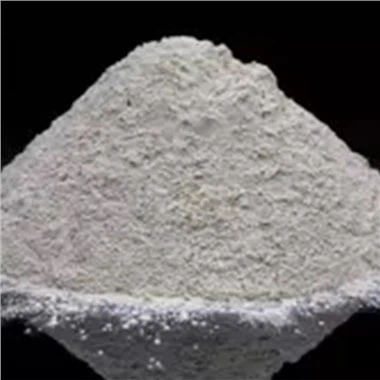
Oil drilling grade organoclay is a crucial additive in the oil and gas drilling industry. It plays a significant role in enhancing the performance of drilling fluids. In this blog, we will explore the density of oil drilling grade organoclay, its importance, and how it relates to our products as a leading supplier.
Understanding the Basics of Oil Drilling Grade Organoclay
Organoclay is a modified clay material. It is typically derived from natural bentonite clays that are treated with organic cations. This modification process makes the clay more compatible with oil - based fluids. In oil drilling operations, oil - based drilling fluids are preferred in many cases due to their superior lubricity, shale - inhibition properties, and high - temperature stability.
Oil drilling grade organoclay serves as a viscosifier and a gelling agent in these drilling fluids. It helps to control the rheological properties of the fluid, such as viscosity and gel strength. By adjusting these properties, organoclay ensures proper hole cleaning, suspension of cuttings, and prevention of fluid loss into the formation.
Density of Oil Drilling Grade Organoclay
The density of oil drilling grade organoclay can vary depending on several factors. The type of base clay used, the nature of the organic modifier, and the manufacturing process all influence the final density.
Typically, the density of oil drilling grade organoclay ranges from about 1.5 to 2.0 g/cm³. This density is relatively low compared to some other drilling additives. The low density is advantageous in oil - based drilling fluids because it does not significantly increase the overall density of the fluid. Maintaining an appropriate fluid density is crucial in drilling operations. If the fluid density is too high, it can cause excessive pressure on the formation, leading to lost circulation or formation damage. On the other hand, if the density is too low, the fluid may not be able to suspend cuttings effectively.
Our company, as a supplier of oil drilling grade organoclay, ensures strict quality control over the density of our products. We conduct regular density measurements during the manufacturing process to guarantee that the organoclay meets the required specifications. This consistency in density is essential for our customers to achieve predictable and reliable performance in their drilling operations.
Importance of Density in Drilling Applications
The density of oil drilling grade organoclay directly impacts the performance of the drilling fluid. As mentioned earlier, it affects the overall density of the fluid. Additionally, it also influences the fluid's rheological properties.
A well - controlled density of organoclay helps in maintaining the proper viscosity of the drilling fluid. Viscosity is critical for hole cleaning. If the viscosity is too low, the cuttings will not be carried out of the wellbore effectively, leading to accumulation at the bottom of the hole. This can cause problems such as bit balling and reduced drilling efficiency. Conversely, if the viscosity is too high, it can increase the pumping pressure required to circulate the fluid, leading to higher energy consumption and potential equipment damage.
The gel strength of the drilling fluid is also affected by the density of organoclay. Gel strength is important for suspending cuttings when the circulation is stopped, such as during connections or tripping. A suitable density of organoclay ensures that the gel strength is sufficient to hold the cuttings in suspension but not so high that it becomes difficult to restart the circulation.
Our Product Range and Density Characteristics
We offer a diverse range of oil drilling grade organoclay products to meet the different needs of our customers.
- Organic Bentonite with Primarily Diesel - based Drilling Fluids: This product is specifically designed for diesel - based drilling fluids. It has a density within the optimal range of 1.6 - 1.8 g/cm³. The carefully selected organic modifier and the unique manufacturing process ensure excellent compatibility with diesel and superior rheological performance.
- Organoclay with Synthetic - oil Base Fluids: For synthetic - oil base fluids, our organoclay product has a density of approximately 1.7 - 1.9 g/cm³. It is engineered to provide high - temperature stability and excellent suspension properties in synthetic - oil environments.
- Modified Bentonite with Oil Based Drilling: This modified bentonite product is suitable for a wide range of oil - based drilling applications. Its density is maintained at around 1.5 - 1.7 g/cm³, offering a good balance between fluid density control and rheological performance.
Quality Assurance and Density Control
We understand the critical role that density plays in the performance of oil drilling grade organoclay. Therefore, we have implemented a comprehensive quality assurance system.


Our manufacturing facilities are equipped with state - of - the - art density measurement instruments. These instruments are calibrated regularly to ensure accurate and reliable measurements. We also conduct multiple density tests at different stages of the production process, from raw material inspection to final product packaging.
In addition to in - house testing, we also send samples of our products to independent third - party laboratories for verification. This double - check mechanism ensures that our products meet or exceed the industry standards for density and other quality parameters.
Customer Benefits of Our Density - Controlled Organoclay
By choosing our oil drilling grade organoclay products with well - controlled density, customers can enjoy several benefits.
- Predictable Performance: The consistent density of our organoclay ensures that the drilling fluid properties are predictable. This allows for better planning and execution of drilling operations, reducing the risk of unexpected problems.
- Cost - Efficiency: Our products help in optimizing the use of drilling fluids. By maintaining the proper density, customers can avoid over - use of additives and reduce the overall cost of the drilling process.
- Environmental Friendliness: The appropriate density of our organoclay contributes to the efficient use of drilling fluids, which in turn reduces waste generation. This aligns with the growing environmental concerns in the oil and gas industry.
Conclusion and Call to Action
In conclusion, the density of oil drilling grade organoclay is a critical factor that affects the performance of drilling fluids in oil and gas drilling operations. Our company, as a reliable supplier, offers a range of high - quality organoclay products with well - controlled density.
If you are in the oil and gas drilling industry and are looking for a trusted partner for your organoclay needs, we invite you to contact us for further information and to discuss potential procurement opportunities. Our team of experts is ready to assist you in choosing the right product for your specific drilling requirements.
References
- Lake, L. W. (2007). Enhanced Oil Recovery. Prentice Hall.
- Nelson, E. B., & Guillot, D. C. (2006). Well Cementing. Schlumberger.
- Spears, F. W. (2004). Formulas and Calculations for Drilling, Production, and Workover. PennWell.