Hey there! As a supplier of Polyanionic Cellulose PAC DLV, I've been getting a lot of questions lately about its compatibility with foam - based drilling fluids. So, I thought I'd sit down and write this blog to share what I know and hopefully clear up any confusion.
First off, let's quickly talk about what Polyanionic Cellulose (PAC) is. PAC is a water - soluble polymer that's widely used in the oil and gas industry, especially in drilling operations. We have different grades of PAC, like Polyanionic Cellulose PAC LV and Polyanionic Cellulose PAC HV. The "LV" stands for low viscosity, and "HV" stands for high viscosity. Our Polyanionic Cellulose PAC DLV is a special grade with a very low viscosity, which gives it some unique properties.
Now, let's dive into foam - based drilling fluids. Foam - based drilling fluids are mixtures of gas (usually air or nitrogen), a liquid phase (like water or brine), and a foaming agent. They're used in various drilling scenarios, especially in areas where conventional drilling fluids might not work as well. For example, in low - pressure formations, foam - based fluids can help prevent fluid loss into the formation and reduce the risk of wellbore instability.
So, how does PAC DLV fit into all this? Well, the compatibility of PAC DLV with foam - based drilling fluids is actually quite good. One of the main reasons is its ability to improve the rheological properties of the fluid. Rheology is all about how a fluid flows and deforms under different conditions. In a foam - based drilling fluid, having the right rheology is crucial for proper hole cleaning, maintaining wellbore stability, and ensuring efficient drilling.
PAC DLV can act as a viscosifier and a fluid - loss control agent. When added to a foam - based drilling fluid, it can increase the viscosity of the liquid phase. This is important because it helps to keep the gas bubbles in the foam stable. If the viscosity is too low, the gas bubbles can coalesce and escape from the fluid, which reduces the effectiveness of the foam. By increasing the viscosity, PAC DLV helps to keep the foam structure intact, making it more stable and better able to carry cuttings out of the wellbore.
Another benefit is its fluid - loss control properties. In drilling, fluid loss occurs when the drilling fluid leaks into the formation. This can cause a lot of problems, like wellbore instability and reduced drilling efficiency. PAC DLV forms a thin, impermeable filter cake on the wellbore wall, which helps to prevent fluid loss. In a foam - based drilling fluid, this is even more important because the foam can be more prone to fluid loss due to its high gas content.
But it's not all smooth sailing. There are a few things to keep in mind when using PAC DLV in foam - based drilling fluids. One is the concentration. If you add too much PAC DLV, it can make the fluid too viscous, which can cause problems with pumpability. You need to find the right balance to get the best performance. It's also important to consider the other components of the foam - based fluid. Some foaming agents might interact with PAC DLV in unexpected ways, so it's a good idea to do some compatibility tests before using it in a full - scale drilling operation.
In terms of field applications, we've had some great feedback from our customers. One customer was drilling in a low - pressure formation where they were having trouble with wellbore instability and poor hole cleaning. They decided to try adding PAC DLV to their foam - based drilling fluid. After making the change, they noticed a significant improvement in the stability of the foam, better hole cleaning, and reduced fluid loss. This led to more efficient drilling and fewer downtime issues.
Another aspect to consider is the environmental impact. PAC DLV is a relatively environmentally friendly option compared to some other additives used in drilling fluids. It's biodegradable, which means it breaks down over time in the environment. This is important in today's world, where there's a growing focus on sustainable drilling practices.
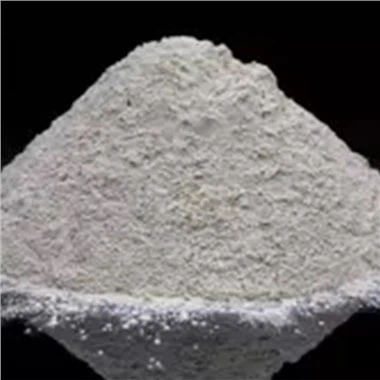
When it comes to handling and storage, PAC DLV is pretty easy to deal with. It comes in a powder form, which can be easily mixed with the foam - based drilling fluid. Just make sure to store it in a dry place to prevent clumping.


If you're in the market for a reliable additive for your foam - based drilling fluids, I highly recommend giving PAC DLV a try. Its compatibility with foam - based fluids, along with its rheological and fluid - loss control properties, make it a great choice for many drilling applications.
If you're interested in learning more about Polyanionic Cellulose PAC DLV or want to discuss potential purchases, feel free to reach out. I'm always happy to answer any questions you might have and help you find the best solution for your drilling needs.
References
- "Drilling Fluids Technology" - A comprehensive guide on various drilling fluid additives and their applications.
- Industry reports on the use of PAC in foam - based drilling fluids.