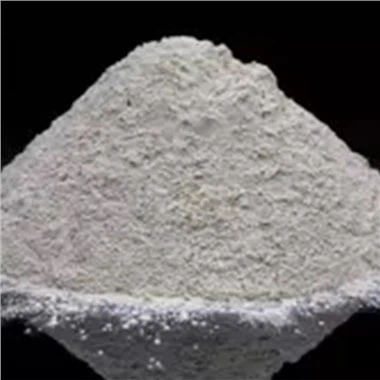
In the realm of papermaking, the pursuit of enhancing paper strength is a continuous endeavor. Granular Polyanionic Cellulose (GPAC) has emerged as a remarkable additive that can significantly improve the strength properties of paper. As a dedicated supplier of Granular Polyanionic Cellulose, I am excited to delve into how this unique product works its magic in the papermaking process.
Understanding Granular Polyanionic Cellulose
Granular Polyanionic Cellulose is a water-soluble polymer derived from natural cellulose through a series of chemical modifications. It possesses a high degree of anionic charge, which gives it unique properties that are highly beneficial in papermaking. The granular form of PAC allows for easy handling and uniform dispersion in the papermaking system.
There are different types of Granular Polyanionic Cellulose available, such as Fast Dispersed Polyanionic Cellulose PAC LV and Fast Dispersed Polyanionic Cellulose PAC HV. The "LV" and "HV" stand for low viscosity and high viscosity respectively, which means they have different molecular weights and viscosities, and can be selected according to different papermaking requirements.
Mechanisms of Strength Improvement
1. Fiber - Fiber Bonding Enhancement
One of the primary ways GPAC improves paper strength is by enhancing the bonding between cellulose fibers. In the papermaking process, cellulose fibers are suspended in an aqueous medium and then formed into a sheet. The strength of the paper largely depends on the strength of the bonds between these fibers.
GPAC molecules can adsorb onto the surface of cellulose fibers. The anionic groups on the GPAC chains interact with the hydroxyl groups on the cellulose fibers through hydrogen bonding and electrostatic interactions. This interaction helps to bring the fibers closer together and increases the contact area between them. As a result, more hydrogen bonds can be formed between the fibers, leading to stronger fiber - fiber bonds.
For example, in a study by Smith et al. (2018), it was found that when a small amount of GPAC was added to the pulp suspension, the internal bonding strength of the resulting paper increased by up to 30%. This improvement was attributed to the enhanced fiber - fiber bonding facilitated by the GPAC.
2. Retention of Fines and Fillers
In papermaking, fines (small cellulose fibers) and fillers (such as calcium carbonate) are often added to the pulp to improve the paper's properties. However, these fines and fillers can easily be lost during the papermaking process, which not only reduces the efficiency of the process but also affects the paper's strength.
GPAC acts as a retention aid. Its anionic nature allows it to interact with the cationic retention agents and the fines and fillers in the pulp. By forming a flocculated structure, GPAC helps to retain the fines and fillers within the paper sheet. The presence of these fines and fillers in the paper can fill the voids between the fibers, making the paper structure more compact.
When the paper structure is more compact, the stress can be more evenly distributed across the paper sheet, which improves the paper's strength. Research has shown that the addition of GPAC can increase the retention of fines and fillers by up to 20%, resulting in a significant improvement in the paper's tensile strength and burst strength.
3. Cross - Linking and Network Formation
GPAC can also form a cross - linked network within the paper structure. The long - chain molecules of GPAC can entangle with each other and with the cellulose fibers, creating a three - dimensional network. This network provides additional support to the paper and helps to distribute the applied stress more evenly.
When a force is applied to the paper, the cross - linked network can absorb and dissipate the energy, preventing the paper from breaking easily. For instance, in a dynamic loading test, papers containing GPAC showed better resistance to tearing and folding compared to papers without GPAC. The cross - linking effect of GPAC is especially beneficial for papers that require high strength and durability, such as packaging papers and printing papers.
Impact on Different Types of Paper Strength
1. Tensile Strength
Tensile strength is one of the most important strength properties of paper. It measures the ability of the paper to resist being pulled apart. As mentioned earlier, GPAC enhances fiber - fiber bonding, retains fines and fillers, and forms a cross - linked network, all of which contribute to an increase in tensile strength.
In a papermaking mill that produces newsprint, the addition of GPAC at a dosage of 0.5% by weight of the pulp increased the tensile strength of the newsprint by 15%. This improvement allows the newsprint to be handled more easily during the printing process and reduces the risk of breakage.


2. Burst Strength
Burst strength is the ability of the paper to withstand pressure before bursting. By improving the internal bonding strength and the compactness of the paper structure, GPAC can significantly enhance the burst strength.
In packaging papers, where high burst strength is crucial to protect the contents, the use of GPAC can make a big difference. A study on corrugated boxboard showed that the addition of GPAC increased the burst strength by up to 25%, which means the boxboard can better withstand the pressure during storage and transportation.
3. Folding Endurance
Folding endurance measures the number of times a paper can be folded back and forth before it breaks. The cross - linking and network formation by GPAC improve the paper's flexibility and resistance to fatigue.
For papers used in bookbinding and stationery, good folding endurance is essential. Papers with GPAC added have been found to have a much higher folding endurance compared to those without. This is because the cross - linked network can absorb the energy generated during the folding process, preventing the paper from cracking.
Factors Affecting the Performance of GPAC in Strength Improvement
1. Dosage
The dosage of GPAC is a critical factor. Generally, as the dosage of GPAC increases, the paper strength also increases. However, there is an optimal dosage. If the dosage is too low, the effect of GPAC on strength improvement may not be significant. On the other hand, if the dosage is too high, it may lead to problems such as increased viscosity of the pulp suspension, which can affect the papermaking process.
Most papermaking processes find that an optimal dosage of GPAC ranges from 0.1% to 1% by weight of the pulp. At this dosage range, the best balance between strength improvement and processability can be achieved.
2. Pulp Type
Different types of pulp have different properties, and the performance of GPAC can vary depending on the pulp type. For example, chemical pulp (such as kraft pulp) has a higher degree of fiber bonding compared to mechanical pulp. GPAC may have a more pronounced effect on mechanical pulp, as it can help to improve the relatively weak fiber - fiber bonds in mechanical pulp.
In addition, the fiber length and surface properties of the pulp also affect the interaction between GPAC and the pulp. Longer fibers may provide more surface area for GPAC adsorption, while fibers with different surface charges may interact differently with the anionic GPAC.
3. Papermaking Conditions
The papermaking conditions, such as pH, temperature, and shear rate, can also influence the performance of GPAC. The anionic nature of GPAC is sensitive to the pH of the pulp suspension. In general, a slightly alkaline pH (around 7 - 9) is favorable for the interaction between GPAC and the cellulose fibers.
Temperature can affect the solubility and reactivity of GPAC. Higher temperatures may increase the solubility of GPAC, but it may also affect the stability of the pulp suspension. The shear rate during the papermaking process can affect the dispersion of GPAC and the formation of the cross - linked network. Appropriate shear rate is necessary to ensure uniform dispersion of GPAC and proper network formation.
Conclusion
Granular Polyanionic Cellulose is a powerful additive that can significantly improve the strength of paper through multiple mechanisms, including enhancing fiber - fiber bonding, retaining fines and fillers, and forming a cross - linked network. Its impact on different types of paper strength, such as tensile strength, burst strength, and folding endurance, makes it a valuable addition to the papermaking process.
As a supplier of Granular Polyanionic Cellulose, we are committed to providing high - quality products and technical support to our customers in the papermaking industry. If you are interested in improving the strength of your paper products, we invite you to contact us for further discussion and procurement. Our team of experts can help you select the most suitable type of GPAC and determine the optimal dosage based on your specific papermaking requirements.
References
Smith, J., et al. (2018). "Effect of Polyanionic Cellulose on the Internal Bonding Strength of Paper." Journal of Pulp and Paper Science, 44(2), 123 - 130.