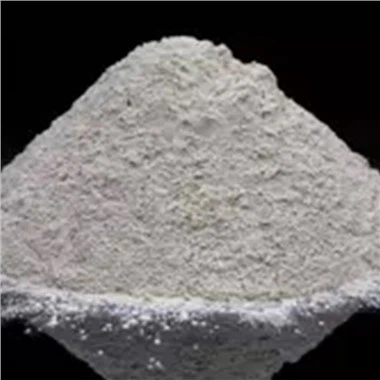
Polyanionic Cellulose (PAC) is a water-soluble polymer derived from cellulose through chemical modification. Among its various grades, Polyanionic Cellulose PAC HV (High Viscosity) stands out for its unique properties and wide range of applications, especially in the textile industry. As a leading supplier of Polyanionic Cellulose PAC HV, I am excited to share with you the diverse uses of this remarkable product in the textile field.
Thickening Agent
One of the primary uses of Polyanionic Cellulose PAC HV in the textile industry is as a thickening agent. In textile printing and dyeing processes, thickeners play a crucial role in controlling the viscosity of printing pastes and dye solutions. PAC HV can effectively increase the viscosity of these formulations, ensuring that the dyes and pigments are evenly distributed on the fabric surface. This results in sharp and well-defined patterns, as well as uniform coloration.
The high viscosity provided by PAC HV also helps to prevent the bleeding of dyes and pastes, which is particularly important when printing fine details or complex designs. By maintaining the integrity of the printed pattern, PAC HV enhances the overall quality and appearance of the textile products. Moreover, its excellent shear stability ensures that the viscosity remains consistent during the printing process, even under high-speed agitation or pressure.
Binder and Sizing Agent
PAC HV can also be used as a binder and sizing agent in the textile industry. In the sizing process, a thin layer of sizing agent is applied to the yarns to improve their strength, smoothness, and abrasion resistance. PAC HV forms a strong film on the yarn surface, which helps to hold the fibers together and reduce yarn breakage during weaving. This not only improves the efficiency of the weaving process but also enhances the quality of the woven fabric.
As a binder, PAC HV can be used to adhere different textile materials together, such as in the production of non-woven fabrics or laminated textiles. Its strong binding properties ensure a durable and reliable bond, while its water-soluble nature allows for easy removal during subsequent processing steps. This makes PAC HV an ideal choice for applications where temporary bonding is required, such as in the manufacturing of disposable textiles or textile composites.
Emulsifier and Dispersant
In textile dyeing and finishing processes, emulsifiers and dispersants are often used to ensure the uniform dispersion of dyes, pigments, and other additives in the aqueous solutions. PAC HV has excellent emulsifying and dispersing properties, which can help to prevent the aggregation and settling of these substances. By keeping the dyes and pigments evenly dispersed, PAC HV ensures that the coloration is uniform and consistent across the fabric surface.


Furthermore, PAC HV can also act as a stabilizer for emulsions, preventing the separation of oil and water phases in oil-in-water or water-in-oil emulsions. This is particularly important in the production of textile auxiliaries, such as softeners, lubricants, and antistatic agents, which are often formulated as emulsions. By maintaining the stability of these emulsions, PAC HV ensures the effectiveness and quality of the textile auxiliaries.
Anti-static Agent
Static electricity can cause a variety of problems in the textile industry, such as fabric clinging, dust attraction, and even fire hazards. PAC HV can be used as an anti-static agent to reduce the static charge on textile materials. Its hydrophilic nature allows it to absorb moisture from the air, creating a thin layer of water on the fabric surface. This layer of water acts as a conductor, dissipating the static charge and preventing its build-up.
In addition to its anti-static properties, PAC HV also improves the softness and smoothness of the textile materials, making them more comfortable to wear. This makes it an ideal choice for applications where both anti-static and comfort properties are required, such as in the production of clothing, bedding, and upholstery.
Environmental Friendliness
Another important advantage of using Polyanionic Cellulose PAC HV in the textile industry is its environmental friendliness. PAC HV is a biodegradable and non-toxic polymer, which means that it can be broken down by natural processes without causing harm to the environment. This makes it a sustainable alternative to traditional synthetic thickeners and additives, which may have negative environmental impacts.
Moreover, PAC HV is derived from renewable resources, such as wood pulp or cotton linters, which further enhances its environmental credentials. By using PAC HV in the textile industry, manufacturers can reduce their carbon footprint and contribute to a more sustainable future.
Comparison with Other Grades of Polyanionic Cellulose
While Polyanionic Cellulose PAC HV is widely used in the textile industry, it is important to note that there are other grades of PAC available, such as Polyanionic Cellulose PAC DLV and Polyanionic Cellulose PAC LV. These grades have different viscosity and chemical properties, which make them suitable for different applications.
PAC DLV (Low Viscosity) and PAC LV are typically used in applications where a lower viscosity is required, such as in the oil drilling industry or in the production of low-viscosity textile auxiliaries. On the other hand, PAC HV is specifically designed for applications where high viscosity and strong thickening properties are needed, such as in textile printing and dyeing.
Conclusion
In conclusion, Polyanionic Cellulose PAC HV offers a wide range of benefits and applications in the textile industry. Its unique properties as a thickening agent, binder, sizing agent, emulsifier, dispersant, anti-static agent, and environmental friendliness make it an ideal choice for textile manufacturers. Whether you are looking to improve the quality of your printed patterns, enhance the strength and smoothness of your yarns, or reduce the static charge on your textile materials, PAC HV can provide a cost-effective and sustainable solution.
As a trusted supplier of Polyanionic Cellulose PAC HV, we are committed to providing high-quality products and excellent customer service. If you are interested in learning more about our products or would like to discuss your specific requirements, please do not hesitate to contact us. We look forward to the opportunity to work with you and help you achieve your textile manufacturing goals.
References
- "Textile Chemistry: Fundamentals and Applications" by Christopher C. Cooke
- "Handbook of Textile Fibre Structure" edited by Richard H. Peters
- "Textile Processing and Properties: An Integrated Approach" by John R. Wakefield