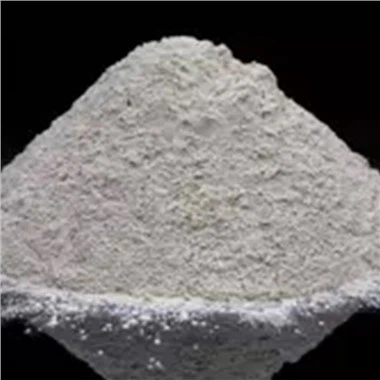
As a reliable supplier of Polyanionic Cellulose PAC DHV, I am delighted to share with you the typical production processes of this essential product. Polyanionic Cellulose (PAC) is a water - soluble polymer that finds extensive applications in various industries, especially in oil drilling. Among different grades of PAC, PAC DHV stands out due to its high viscosity and excellent performance.
Raw Material Selection
The first step in the production of Polyanionic Cellulose PAC DHV is the careful selection of raw materials. The primary raw material for PAC is cellulose, which is usually sourced from natural cellulose - rich materials such as cotton linters or wood pulp. These materials are chosen for their high cellulose content and purity. The quality of the raw cellulose directly impacts the final properties of PAC DHV. For instance, cellulose with a high degree of polymerization can contribute to the formation of PAC DHV with better viscosity and stability.
Alkalization
Once the raw cellulose is obtained, the alkalization process begins. In this step, the cellulose is treated with a strong alkali, typically sodium hydroxide (NaOH). The cellulose is immersed in an alkaline solution under controlled temperature and pressure conditions. The alkali reacts with the hydroxyl groups (-OH) on the cellulose chains, activating them for further chemical reactions. This activation is crucial as it prepares the cellulose for the subsequent etherification process. The alkalization reaction can be represented by the following simplified equation:
Cell - OH + NaOH → Cell - O⁻Na⁺+ H₂O

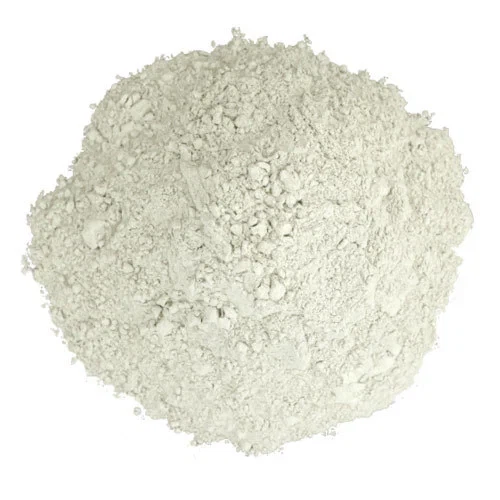
where Cell - OH represents the cellulose molecule with hydroxyl groups, and Cell - O⁻Na⁺ is the alkalized cellulose. The amount of alkali used, the reaction time, and the temperature are carefully regulated to ensure the proper degree of alkalization. Over - alkalization can lead to excessive degradation of the cellulose chains, while under - alkalization may result in incomplete etherification later on.
Etherification
After alkalization, the next critical step is etherification. In this process, the alkalized cellulose reacts with an etherifying agent, usually monochloroacetic acid (MCA) or its sodium salt. The reaction between the activated cellulose and the etherifying agent forms an ether linkage, introducing carboxymethyl groups (-CH₂COO⁻) to the cellulose chains. This addition of carboxymethyl groups imparts water - solubility and other desirable properties to the cellulose, transforming it into Polyanionic Cellulose. The etherification reaction can be written as:
Cell - O⁻Na⁺+ ClCH₂COONa → Cell - O - CH₂COONa+ NaCl
The reaction conditions, including the molar ratio of the etherifying agent to the alkalized cellulose, temperature, and reaction time, are precisely controlled. A higher molar ratio of MCA to cellulose generally leads to a higher degree of substitution (DS) of carboxymethyl groups on the cellulose chains. The degree of substitution is an important parameter that affects the properties of PAC DHV, such as its solubility, viscosity, and electrolyte tolerance.
Purification
Once the etherification reaction is complete, the crude PAC product contains impurities such as unreacted chemicals, salts (e.g., NaCl formed during etherification), and by - products. Purification is necessary to obtain high - quality Polyanionic Cellulose PAC DHV. The purification process typically involves washing the crude product with a suitable solvent, such as a mixture of water and alcohol. The solvent can dissolve the impurities while leaving the PAC DHV relatively insoluble. Multiple washing steps may be required to achieve the desired level of purity. After washing, the PAC DHV is usually filtered to separate it from the solvent and the dissolved impurities.
Drying
After purification, the wet PAC DHV needs to be dried to remove the remaining moisture. The drying process is carried out under controlled conditions to prevent thermal degradation of the product. Various drying methods can be used, such as hot - air drying, vacuum drying, or spray drying. Hot - air drying involves passing warm air over the wet PAC DHV to evaporate the moisture. Vacuum drying is preferred when the product is sensitive to high temperatures, as it allows for drying at lower temperatures under reduced pressure. Spray drying is a rapid and efficient method where the wet PAC DHV is atomized into fine droplets and dried in a hot air stream. The choice of drying method depends on factors such as the scale of production, the desired particle size of the final product, and the thermal stability of PAC DHV.
Milling and Sieving
Once the PAC DHV is dried, it may need to be milled to achieve the desired particle size. Milling breaks the dried PAC DHV into smaller particles, improving its dispersibility and solubility in water. Different types of mills, such as hammer mills or jet mills, can be used depending on the required particle size distribution. After milling, the PAC DHV is sieved to separate particles of different sizes. This ensures that the final product has a consistent particle size, which is important for its performance in various applications. For example, in oil drilling fluids, a uniform particle size of PAC DHV can contribute to better rheological properties of the fluid.
Quality Control
Throughout the production process, strict quality control measures are implemented to ensure that the final Polyanionic Cellulose PAC DHV meets the required standards. Various tests are conducted at different stages of production. For example, during the alkalization and etherification processes, samples are taken to analyze the degree of alkalization and the degree of substitution. Physical and chemical properties of the final product, such as viscosity, moisture content, pH value, and purity, are also carefully measured. Viscosity is a key parameter for PAC DHV, and it is usually measured using a viscometer under specific conditions. The moisture content affects the stability and storage life of the product, and it is determined by methods such as loss - on - drying.
Comparison with Other Grades of PAC
It is worth comparing Polyanionic Cellulose PAC DHV with other grades, such as Polyanionic Cellulose PAC HV and Polyanionic Cellulose PAC DLV. PAC HV has a relatively high viscosity but may not have the same level of performance in terms of electrolyte tolerance and other specialized properties as PAC DHV. PAC DLV, on the other hand, has a lower viscosity and is suitable for applications where lower fluid viscosity is required. The production processes for these different grades may vary slightly in terms of the reaction conditions, the degree of substitution, and the final product treatment to achieve their specific properties.
Applications and Advantages of PAC DHV
Polyanionic Cellulose PAC DHV has a wide range of applications, especially in the oil and gas industry. In oil drilling, it is used as a viscosifier, fluid - loss control agent, and shale inhibitor in drilling fluids. Its high viscosity helps to suspend cuttings during the drilling process, preventing them from settling at the bottom of the wellbore. The fluid - loss control property of PAC DHV reduces the loss of drilling fluid into the formation, which is crucial for maintaining wellbore stability and preventing formation damage. Additionally, its shale - inhibiting ability prevents the swelling and dispersion of shale formations, which can cause problems such as stuck pipes and wellbore collapse.
Conclusion
In conclusion, the production of Polyanionic Cellulose PAC DHV is a complex and precisely controlled process that involves multiple steps, from raw material selection to final quality control. Each step plays a vital role in determining the properties and performance of the final product. As a supplier of Polyanionic Cellulose PAC DHV, we are committed to ensuring the highest quality of our products through strict adherence to these production processes.
If you are interested in purchasing Polyanionic Cellulose PAC DHV for your specific applications, we welcome you to contact us for further discussions and procurement negotiations. We are ready to provide you with detailed product information, samples, and competitive pricing.
References
- "Cellulose Derivatives: Synthesis, Properties, and Applications" by X. Zhang and Y. Liu
- "Oilfield Chemistry: Drilling Fluids and Well Cementing" by B. G. Kelessidis