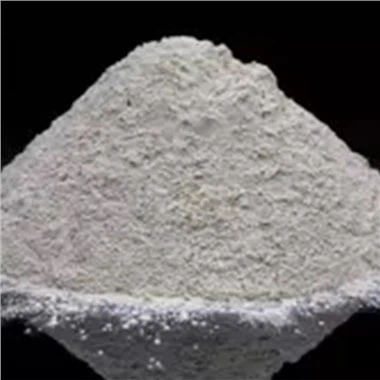
Hey there! I'm a supplier of Polyanionic Cellulose PAC LV, and today I wanna chat about the storage conditions needed to keep its quality top - notch.
First off, let's understand what Polyanionic Cellulose PAC LV is. It's a super - useful additive, especially in the oil - drilling industry. You might also be interested in other types like Polyanionic Cellulose PAC HV and Polyanionic Cellulose PAC DHV, but here we're focusing on PAC LV.
Temperature
Temperature plays a huge role in storing PAC LV. This stuff likes it cool and stable. High temperatures can mess with its chemical structure. When it gets too hot, the polymer chains in PAC LV can start to break down. This means that the viscosity - enhancing properties, which are super important in drilling fluids, can go down the drain.
Ideally, you should store PAC LV at a temperature between 10°C and 30°C. That's a pretty standard range, but it's crucial to stick to it. If you're in a place with extreme heat, like a desert oil - drilling site, you might need to use climate - controlled storage units. These units can keep the temperature just right, ensuring that your PAC LV stays in great shape.
On the flip side, freezing temperatures aren't good either. If PAC LV freezes, the water in it (if it's in a solution form) can expand and damage the polymer structure. So, if you're in a cold climate, make sure the storage area is well - insulated and heated to avoid any freezing issues.
Humidity
Humidity is another big factor. PAC LV is hygroscopic, which means it can absorb moisture from the air. When it absorbs too much moisture, it can clump together. These clumps are a real pain because they're hard to dissolve in drilling fluids.
You want to keep the relative humidity in the storage area below 60%. To achieve this, you can use dehumidifiers. In areas with high natural humidity, like coastal regions, dehumidifiers are a must - have. Also, make sure the storage containers are tightly sealed. This helps prevent moisture from getting in and keeps the PAC LV dry and free - flowing.
Light
Light, especially direct sunlight, can be harmful to PAC LV. Ultraviolet (UV) rays in sunlight can cause photodegradation. This is when the chemical bonds in the PAC LV are broken by the energy from the UV rays.
So, store PAC LV in a dark place. If you're using storage drums or bags, keep them in a warehouse or storage shed that's shielded from sunlight. If you have to transport it in daylight, cover the containers with opaque tarps to block out the light.
Air Quality
The air in the storage area matters too. Polluted air with chemicals like acids or alkalis can react with PAC LV. For example, if there are acidic fumes in the air, they can change the pH of the PAC LV and affect its performance.
Keep the storage area well - ventilated to remove any potentially harmful fumes. Also, try to keep it away from areas where there are chemical processes going on. If you're in an industrial complex, make sure the PAC LV storage is in a separate, clean area.
Packaging
The right packaging is essential for maintaining the quality of PAC LV. It should be stored in high - quality, sealed containers. Most commonly, it comes in plastic - lined paper bags or plastic drums.
These containers should be strong enough to prevent any leaks or damage during storage and transportation. If the packaging is damaged, moisture and air can get in, which can ruin the PAC LV. Before storing, always check the packaging for any signs of damage. If you find a damaged bag or drum, transfer the PAC LV to a new, undamaged container right away.
Stacking and Handling
When you're stacking the containers of PAC LV, be careful. Don't stack them too high, as this can cause the bottom containers to get crushed. A crushed container can lead to leaks and exposure to the elements.

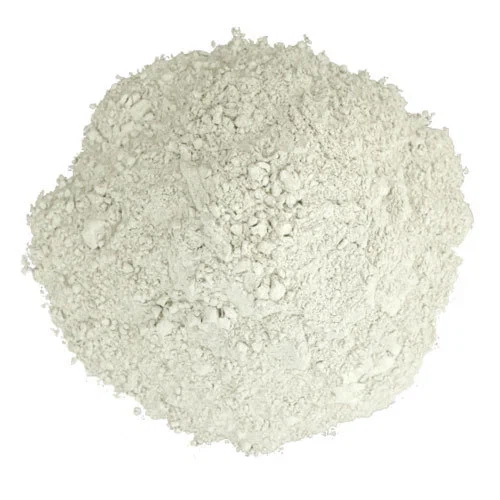
Also, when handling the containers, use proper equipment. Forklifts and pallet jacks should be used carefully to avoid dropping or damaging the containers. Any rough handling can cause the PAC LV inside to clump or break the packaging.
Monitoring
Regular monitoring is key. You should check the storage conditions, including temperature, humidity, and the appearance of the PAC LV, on a regular basis. Keep a log of these checks. This way, if there are any issues, you can spot them early and take action.
For example, if you notice that the temperature is rising above the recommended range, you can adjust the climate - control settings. Or, if you see that the PAC LV is starting to clump, you can check the humidity levels and take steps to reduce it.
Contamination
Avoid cross - contamination at all costs. PAC LV should be stored separately from other chemicals. Different chemicals can react with each other, and you don't want that to happen to your PAC LV.
If you're using the same equipment to handle different chemicals, make sure it's thoroughly cleaned between uses. This includes storage containers, mixing equipment, and transfer hoses.
Long - Term Storage
If you're planning to store PAC LV for a long time, you need to be extra careful. Even under the best conditions, the quality can gradually degrade over time.
Periodically check the stored PAC LV for any signs of degradation. You can do simple tests, like checking the viscosity in a small sample. If you notice a significant change in viscosity or other properties, it might be time to use the PAC LV or replace it.
Conclusion
In conclusion, storing PAC LV properly is crucial for maintaining its quality. By controlling temperature, humidity, light, air quality, and using the right packaging and handling methods, you can ensure that your PAC LV stays in great condition. This means better performance in your drilling operations and less waste.
If you're in the market for high - quality Polyanionic Cellulose PAC LV, we're here to help. Whether you have questions about storage or want to place an order, we're just a message away. Let's chat and see how we can meet your needs.
References
- "Handbook of Drilling Fluids Technology"
- "Polymer Science and Technology"
- Industry reports on Polyanionic Cellulose storage and quality maintenance