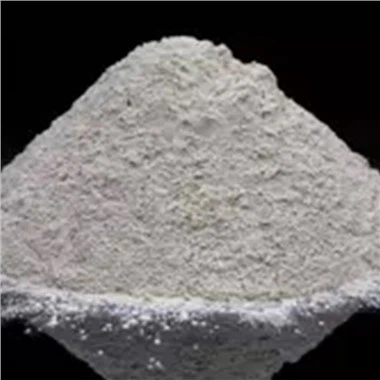
Food Grade Powder CMC, also known as Carboxymethyl Cellulose, is a versatile and widely used additive in the food industry. It serves multiple functions such as thickening, stabilizing, emulsifying, and preventing ice crystal formation in various food products. However, one common challenge that food manufacturers often face is how to dissolve Food Grade Powder CMC quickly and efficiently. As a reliable Food Grade Powder CMC supplier, I am here to share some practical tips and techniques to help you achieve rapid dissolution.
Understanding the Properties of Food Grade Powder CMC
Before delving into the dissolution methods, it's essential to understand the basic properties of Food Grade Powder CMC. Carboxymethyl Cellulose Sodium is a water - soluble polymer derived from cellulose. Its solubility is influenced by factors such as temperature, pH, and the presence of other ingredients in the solution.
The degree of substitution (DS) of CMC also plays a crucial role. A higher DS generally means better solubility in water. Food Grade Powder CMC typically has a DS in the range suitable for food applications, which affects how it interacts with water molecules during the dissolution process.
Pre - Treatment of Food Grade Powder CMC
One effective way to speed up the dissolution of Food Grade Powder CMC is through pre - treatment.
Hydration with Alcohol
Mixing the CMC powder with a small amount of alcohol (such as ethanol) can significantly enhance its wetting ability. Alcohol can penetrate the powder particles and break the hydrogen bonds within the CMC structure, making it easier for water molecules to surround and dissolve the CMC. After mixing with alcohol, slowly add water to the mixture while stirring continuously. This method can reduce the clumping of CMC powder and accelerate the overall dissolution process.
Pre - Blending with Other Ingredients
If you are using CMC in a food formulation that contains other dry ingredients such as sugar or salt, pre - blending the CMC with these ingredients can be beneficial. The other dry ingredients act as a dispersant, separating the CMC particles and preventing them from agglomerating. When this pre - blended mixture is added to water, the CMC particles are more evenly distributed, and dissolution occurs more rapidly.
Optimal Dissolution Conditions
Temperature
Temperature has a significant impact on the dissolution rate of Food Grade Powder CMC. Generally, increasing the temperature of the water can speed up the dissolution process. However, it's important to note that excessive heat can cause degradation of the CMC polymer, leading to a loss of its functional properties. For most Food Grade Powder CMC products, a water temperature in the range of 50 - 60°C is recommended. At this temperature, the water molecules have sufficient kinetic energy to interact with the CMC particles effectively, while minimizing the risk of degradation.
Stirring
Proper stirring is crucial for quick dissolution. Using a high - speed mixer or a homogenizer can create a turbulent flow in the solution, which helps to break up the CMC particles and disperse them evenly in the water. The stirring should be continuous until the CMC is completely dissolved. The speed and duration of stirring depend on the quantity of CMC and the volume of the solution. In a small - scale laboratory setting, a magnetic stirrer can be used, while in industrial applications, large - scale mixers are required.
pH Adjustment
The pH of the solution can also affect the solubility of CMC. Sodium Carboxymethyl Cellulose is more soluble in slightly alkaline solutions. Adjusting the pH of the water to around 7 - 9 can promote better dissolution. However, care must be taken not to over - adjust the pH, as extreme pH values can also cause changes in the CMC's properties.


Dissolution in Different Food Systems
Aqueous Solutions
In simple aqueous solutions, the methods mentioned above can be directly applied. First, pre - treat the CMC powder if necessary, then add it to the water at the appropriate temperature while stirring vigorously. Continue stirring until a clear and homogeneous solution is obtained.
Emulsions
When using CMC in emulsions, the dissolution process needs to be carefully coordinated with the emulsification process. First, dissolve the CMC in the aqueous phase using the optimal conditions described earlier. Then, slowly add the oil phase to the CMC - containing aqueous phase while homogenizing. The CMC helps to stabilize the emulsion and prevents phase separation.
Suspensions
In suspensions, CMC can be used to prevent sedimentation of solid particles. Dissolve the CMC in the liquid phase first, and then add the solid particles. The CMC increases the viscosity of the liquid phase, keeping the solid particles suspended.
Troubleshooting
Clumping
Clumping is a common problem during the dissolution of CMC powder. If clumps form, stop adding more powder and break up the clumps using a fork or a whisk. You can also try adding a small amount of water directly to the clumps to soften them and then resume stirring.
Slow Dissolution
If the CMC is taking too long to dissolve, check the temperature, stirring speed, and pH of the solution. Adjust these factors as needed. Also, make sure that the CMC powder is not expired or has been stored under improper conditions, as this can affect its solubility.
Conclusion
Dissolving Food Grade Powder CMC quickly is essential for efficient food production. By understanding the properties of CMC, pre - treating the powder, optimizing the dissolution conditions, and addressing common problems, you can achieve rapid and complete dissolution. As a leading CMC Carboxymethyl Cellulose supplier, we are committed to providing high - quality products and technical support to our customers. If you have any questions about the dissolution of our Food Grade Powder CMC or are interested in purchasing our products, please feel free to contact us for further discussion and negotiation.
References
- "Food Hydrocolloids: Structure, Function and Applications" by G. O. Phillips and P. A. Williams
- "Encyclopedia of Food Science and Technology" edited by Fereidoon Shahidi