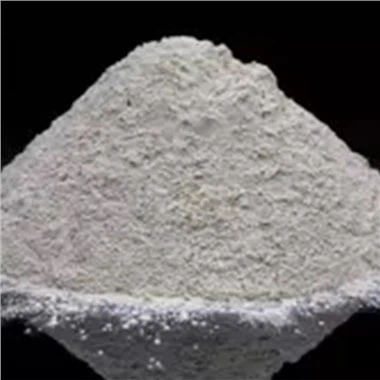
Carboxymethyl Cellulose (CMC), also known as E466 in the food industry, is a widely used food additive with various functions such as thickening, stabilizing, and emulsifying. As a supplier of Carboxymethyl Cellulose E466, I understand the importance of complying with regulatory requirements when it comes to its use in food. In this blog post, I will delve into the regulatory requirements for using Carboxymethyl Cellulose E466 in food, providing you with a comprehensive understanding of the rules and guidelines that govern its application.
Global Regulatory Landscape
The use of food additives, including Carboxymethyl Cellulose E466, is regulated by different authorities around the world. These regulations aim to ensure the safety of consumers and the quality of food products.
Codex Alimentarius Commission
The Codex Alimentarius Commission, established by the Food and Agriculture Organization (FAO) and the World Health Organization (WHO), sets international food standards. Codex has established specifications for Carboxymethyl Cellulose E466, including its identity, purity, and maximum levels of use in different food categories. These standards serve as a reference for many countries when formulating their own national regulations.
European Union
In the European Union (EU), food additives are regulated under Regulation (EC) No 1333/2008 on food additives. Carboxymethyl Cellulose E466 is authorized for use in food products, and its use is subject to specific conditions and maximum levels. The EU maintains a list of approved food additives, and Carboxymethyl Cellulose E466 must meet the specifications outlined in this list. Additionally, food manufacturers are required to label products containing Carboxymethyl Cellulose E466 with the E-number (E466) to inform consumers.
United States
In the United States, the Food and Drug Administration (FDA) regulates the use of food additives. Carboxymethyl Cellulose is generally recognized as safe (GRAS) when used in accordance with good manufacturing practices. The FDA has established specific regulations regarding the use of Carboxymethyl Cellulose in food, including its identity, specifications, and limitations on use. Food manufacturers must ensure that their products comply with these regulations to be legally sold in the US market.
Specific Regulatory Requirements
Purity and Quality
One of the key regulatory requirements for Carboxymethyl Cellulose E466 is its purity and quality. The substance must meet the specified standards for identity, purity, and impurities. For example, it should have a defined degree of substitution (DS), which refers to the average number of carboxymethyl groups per anhydroglucose unit in the cellulose molecule. The DS affects the properties of CMC, such as its solubility, viscosity, and stability.


In addition, Carboxymethyl Cellulose E466 should be free from contaminants such as heavy metals (e.g., lead, mercury, cadmium), microorganisms, and other impurities that could pose a risk to human health. Suppliers like us are responsible for ensuring that our products meet these purity and quality standards through rigorous testing and quality control measures.
Maximum Levels of Use
Regulatory authorities also specify the maximum levels of Carboxymethyl Cellulose E466 that can be used in different food categories. These limits are based on scientific studies to ensure that the additive does not pose any health risks to consumers when used within the recommended levels.
For example, in the EU, the maximum level of Carboxymethyl Cellulose E466 in certain dairy products may be different from that in bakery products. Food manufacturers must carefully calculate and control the amount of Carboxymethyl Cellulose E466 added to their products to comply with these maximum levels. Failure to do so can result in non-compliance with regulations and potential legal consequences.
Labeling Requirements
Labeling is an important aspect of regulatory compliance when using Carboxymethyl Cellulose E466 in food. In most countries, food products containing Carboxymethyl Cellulose E466 must be labeled with the E-number (E466) or the common name “Carboxymethyl Cellulose.” This allows consumers to make informed decisions about the products they purchase.
In addition to the E-number or common name, the label may also need to include information about the function of the additive (e.g., thickener, stabilizer) and any specific warnings or instructions. Food manufacturers must ensure that their labels are accurate and comply with the labeling regulations of the target market.
Our Role as a Supplier
As a supplier of Carboxymethyl Cellulose E466, we play a crucial role in helping our customers comply with regulatory requirements. We are committed to providing high-quality products that meet the strictest international standards.
Quality Assurance
We implement a comprehensive quality assurance program to ensure that our Carboxymethyl Cellulose E466 products meet the purity, quality, and safety requirements of regulatory authorities. Our products are tested regularly in our state-of-the-art laboratories for various parameters, including identity, purity, viscosity, and heavy metal content. We also obtain third-party certifications to validate the quality of our products.
Regulatory Support
We understand that navigating the complex regulatory landscape can be challenging for our customers. That's why we offer regulatory support services to help them understand and comply with the relevant regulations. Our team of experts can provide guidance on the maximum levels of use, labeling requirements, and other regulatory aspects related to the use of Carboxymethyl Cellulose E466 in food.
Product Information
We provide detailed product information to our customers, including technical data sheets, safety data sheets, and certificates of analysis. These documents contain important information about the properties, specifications, and regulatory compliance of our Carboxymethyl Cellulose E466 products. Our customers can use this information to ensure that their products meet the regulatory requirements of their target markets.
Conclusion
In conclusion, the use of Carboxymethyl Cellulose E466 in food is subject to strict regulatory requirements around the world. These requirements are in place to protect the health and safety of consumers and to ensure the quality of food products. As a supplier of Carboxymethyl Cellulose E466, we are committed to providing high-quality products that comply with these regulations.
If you are a food manufacturer looking for a reliable supplier of Carboxymethyl Cellulose E466, we invite you to [contact us for procurement and further discussion]. Our team of experts is ready to assist you in finding the right Carboxymethyl Cellulose E466 product for your specific needs and to help you navigate the regulatory requirements.
For more information about our Carboxymethyl Cellulose products, you can visit the following links:
References
- Codex Alimentarius Commission. Codex General Standard for Food Additives.
- Regulation (EC) No 1333/2008 of the European Parliament and of the Council of 16 December 2008 on food additives.
- US Food and Drug Administration. Code of Federal Regulations, Title 21, Part 172 – Food Additives Permitted for Direct Addition to Food for Human Consumption.