Sucralose, a well - known artificial sweetener, has gained significant popularity over the years due to its high sweetness, low - calorie nature, and relative stability in various food and beverage applications. As a sucralose supplier, I often come across questions regarding the long - term effects of sucralose consumption. In this blog, we'll delve into the scientific research to understand what the long - term impacts of sucralose might be.
Understanding Sucralose
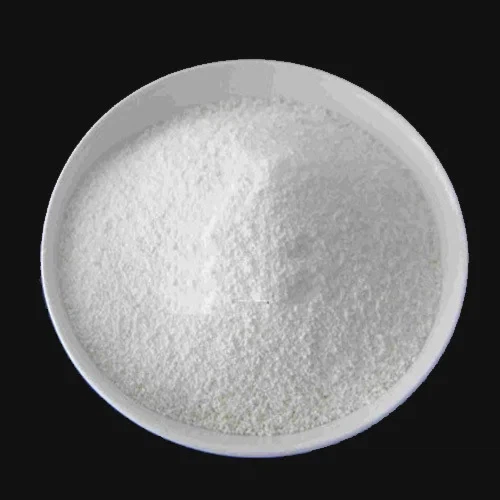
Sucralose is a synthetic sweetener that is approximately 400 - 800 times sweeter than sucrose (table sugar). It is created from sugar through a multi - step chemical process that replaces three hydroxyl groups on the sugar molecule with chlorine atoms. This modification makes it non - caloric as it is not metabolized by the body in the same way as regular sugar. It has been approved for use in many countries around the world, including the United States, the European Union, and Australia, and is commonly used in a wide range of products such as diet drinks, sugar - free desserts, and low - calorie snacks. You can find more information about Sucralose E955.
Positive Long - Term Effects
Weight Management
One of the most significant long - term benefits associated with sucralose consumption is its potential role in weight management. Since sucralose is virtually calorie - free, it can be used as a sugar substitute in beverages and foods. Over the long term, replacing high - calorie sugar with sucralose can lead to a reduction in overall calorie intake. For individuals trying to lose weight or maintain a healthy weight, this can be a valuable tool. Multiple studies have shown that people who consume sucralose - sweetened products tend to have lower body weights and body mass indexes (BMIs) compared to those who consume regular sugar - sweetened products.
Blood Sugar Control
Sucralose Safe for Diabetics is a topic of great interest. Sucralose does not raise blood sugar levels, making it an attractive option for people with diabetes. In the long run, using sucralose instead of sugar can help diabetics better manage their blood glucose levels. This can reduce the risk of complications associated with diabetes, such as nerve damage, kidney disease, and cardiovascular problems. Research has consistently demonstrated that sucralose has a negligible effect on blood glucose and insulin levels, even when consumed in large amounts.
Dental Health
Another long - term advantage of sucralose consumption is its positive impact on dental health. Unlike sugar, which is a major contributor to tooth decay, sucralose is not fermented by oral bacteria. This means that it does not contribute to the formation of plaque and cavities. Over time, choosing sucralose - sweetened products can help maintain better oral hygiene and reduce the risk of dental problems.
Potential Concerns and Controversies
Gut Microbiota
Some studies have raised concerns about the potential impact of sucralose on the gut microbiota. The gut microbiota is a complex community of microorganisms that play a crucial role in many aspects of health, including digestion, metabolism, and immune function. Some research suggests that sucralose may alter the composition and function of the gut microbiota. For example, animal studies have shown that sucralose can reduce the number of beneficial bacteria in the gut and increase the number of potentially harmful bacteria. However, the results of human studies have been inconsistent. Some human trials have found no significant changes in the gut microbiota after sucralose consumption, while others have reported minor alterations. More long - term, large - scale human studies are needed to fully understand the implications of these findings.
Metabolic Changes
There have also been speculations about whether sucralose consumption could lead to metabolic changes over the long term. Some researchers have hypothesized that the sweet taste of sucralose may deceive the body's metabolic signaling system. The body is accustomed to associating sweet tastes with calorie intake, and when it consumes a sweet substance like sucralose without the corresponding calories, it may disrupt normal metabolic processes. However, most of the available evidence does not support this theory. Well - controlled human studies have generally found that sucralose does not have a negative impact on metabolism, including insulin sensitivity and glucose tolerance.
Regulatory Approval and Safety
Sucralose has undergone extensive safety evaluations by regulatory agencies around the world. The U.S. Food and Drug Administration (FDA), the European Food Safety Authority (EFSA), and other major regulatory bodies have concluded that sucralose is safe for human consumption. These agencies have set an acceptable daily intake (ADI) for sucralose, which is the amount that can be consumed daily over a lifetime without any appreciable health risk. The ADI for sucralose is set at a relatively high level, indicating that it is considered to be a safe sweetener when used within the recommended limits.
Sucralose in the Market
As a sucralose supplier, I've witnessed the growing demand for sucralose in the market. It is used in a wide variety of products, from food and beverages to pharmaceuticals and personal care items. Our Food Grade Sucralose Liquid is a popular choice among food manufacturers due to its ease of use and high solubility. It can be easily incorporated into different formulations, providing a sweet taste without the added calories.
Conclusion
In conclusion, the long - term effects of sucralose consumption appear to be mostly positive. It offers benefits such as weight management, blood sugar control, and dental health. While there are some concerns about its potential impact on the gut microbiota and metabolism, the current scientific evidence does not strongly support these concerns. Regulatory agencies have deemed sucralose safe for human consumption, and it has been used in the market for many years without any major safety issues.
If you are a food manufacturer, beverage producer, or involved in any industry that requires a high - quality sweetener, I encourage you to consider our sucralose products. We are committed to providing the best - quality sucralose at competitive prices. If you are interested in learning more about our products or would like to discuss a potential purchase, please feel free to contact us. We look forward to working with you to meet your sweetening needs.
References
- Mattes, R. D., & Popkin, B. M. (2009). Nonnutritive sweetener consumption in humans: effects on appetite and food intake and their putative mechanisms. American Journal of Clinical Nutrition, 89(1), 1–14.
- Sylvetsky, A. C., Rother, K. I., & Davidson, M. H. (2014). Nonnutritive sweeteners and cardiometabolic health: current understanding and future directions. Obesity Reviews, 15(3), 232–242.
- Suez, J., Korem, T., Zeevi, D., Zilberman - Schapira, G., Thaiss, C. A., Maza, O., … & Elinav, E. (2014). Artificial sweeteners induce glucose intolerance by altering the gut microbiota. Nature, 514(7521), 181–186.