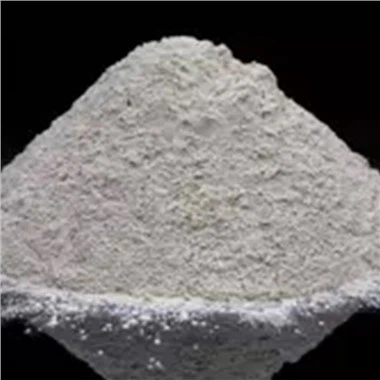
Is Food Grade Powder CMC Kosher?
As a supplier of Food Grade Powder CMC, I often encounter questions from customers regarding the kosher status of our product. In this blog, I aim to delve into the topic comprehensively, providing scientific insights and clarifications on whether Food Grade Powder CMC is kosher.
Understanding Food Grade Powder CMC
Food Grade Powder CMC, also known as Carboxymethyl Cellulose E466, is a widely used food additive. It is a derivative of cellulose, which is a natural polymer found in the cell walls of plants. CMC is produced by chemically modifying cellulose through a process that involves reacting it with chloroacetic acid in the presence of an alkali. The resulting product is a water - soluble polymer with various functional properties, such as thickening, stabilizing, emulsifying, and suspending.
The chemical structure of Sodium Carboxymethyl (a common form of CMC) consists of a cellulose backbone with carboxymethyl groups attached at specific positions. This modification gives CMC its unique properties, making it suitable for a wide range of food applications, including bakery products, dairy products, beverages, and sauces.
Kosher Requirements
Kosher is a set of dietary laws in Judaism that govern what foods are considered fit for consumption. These laws cover various aspects, such as the source of the ingredients, the processing methods, and the equipment used in food production.
- Source of Ingredients: Kosher laws specify that certain animals, such as pigs and shellfish, are not kosher. In the case of CMC, since it is derived from cellulose, which is a plant - based material, the source is generally considered kosher. However, the purity of the starting cellulose material is crucial. The cellulose used in the production of CMC should come from kosher - acceptable plants and should not be contaminated with non - kosher substances during the harvesting, storage, or transportation process.
- Processing Methods: The manufacturing process of CMC must also comply with kosher standards. This includes ensuring that the chemicals used in the modification process are kosher. For example, the chloroacetic acid and alkali used in the production of CMC should be sourced from kosher - certified suppliers. Additionally, the equipment used in the production should be dedicated or properly cleaned and kosherized between different production runs to prevent cross - contamination with non - kosher substances.
- Certification: To be considered kosher, a product usually needs to be certified by a recognized kosher certification agency. These agencies conduct thorough inspections of the production facilities, review the ingredient lists, and monitor the manufacturing processes to ensure compliance with kosher laws.
Factors Affecting the Kosher Status of Food Grade Powder CMC
- Starting Material: As mentioned earlier, the source of cellulose is a critical factor. Cellulose can be obtained from various plant sources, such as wood pulp, cotton linters, and bamboo. If the cellulose is sourced from a plant that is known to be used in non - kosher industries or if it has been in contact with non - kosher substances, it may affect the kosher status of the final CMC product.
- Additives and Impurities: During the production of CMC, certain additives may be used to improve its properties or to facilitate the manufacturing process. These additives must also be kosher. Additionally, any impurities present in the CMC, such as residual chemicals or contaminants, should be within the limits allowed by kosher standards.
- Manufacturing Environment: The cleanliness and kosher - compliance of the manufacturing facility are essential. If the same equipment is used to produce both kosher and non - kosher products without proper cleaning and kosherization, there is a risk of cross - contamination.
Our Approach as a Supplier
At our company, we are committed to providing high - quality Food Grade Powder CMC that meets the strictest kosher standards.
- Sourcing: We carefully select our cellulose sources to ensure they are from kosher - acceptable plants. We work closely with our suppliers to verify the origin and purity of the cellulose material.
- Production Process: Our manufacturing process is designed to minimize the risk of contamination. We use only kosher - certified chemicals in the production of CMC. Our production facilities are regularly inspected and cleaned to maintain a kosher - compliant environment.
- Certification: We obtain kosher certification from a well - recognized kosher certification agency. This certification provides our customers with the assurance that our Food Grade Powder CMC meets all the requirements of kosher law.
Conclusion
In conclusion, Food Grade Powder CMC can be kosher if it is produced from kosher - acceptable starting materials, using kosher - compliant processing methods, and under a kosher - certified manufacturing environment. As a supplier, we take every step to ensure that our CMC Carboxymethyl Cellulose meets these standards.


If you are in the market for high - quality, kosher - certified Food Grade Powder CMC, we would be delighted to discuss your requirements. Our team of experts is ready to provide you with detailed information and support to help you make the right choice for your food production needs. Contact us today to start a conversation about how our Food Grade Powder CMC can enhance your products.
References
- "Kosher Food Production" by Rabbi Don Yoel Levy
- "Food Additives: Chemistry, Production, and Usage" by Dr. John E. Smith
- Technical documents from recognized kosher certification agencies