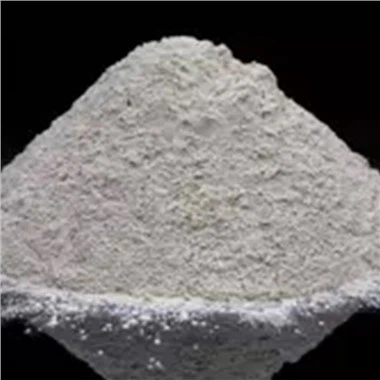
Hey there! As a CMC Cellulose supplier, I've been in the thick of things, dealing with this amazing product day in and day out. CMC Cellulose, or Carboxymethyl Cellulose, is a real workhorse in various industries, from food to pharmaceuticals, and even in the oil and gas sector. But like any other product, it's got its limitations. Let's dive in and take a closer look.
Solubility and Viscosity Issues
One of the first limitations I often come across is related to solubility and viscosity. CMC Cellulose [/carboxymethyl-cellulose/carboxymethyl-cellulose-in-food/cmc-cellulose.html] is known for its ability to thicken and stabilize solutions, but getting it to dissolve properly can be a bit of a headache. In some cases, especially with high-viscosity grades, it tends to form lumps when added to water. These lumps are stubborn and can take a long time to break down, even with vigorous stirring.
This solubility problem can be a real pain in industries where quick and uniform mixing is crucial. For example, in the food industry, when making sauces or dressings, you want to add CMC Cellulose and have it dissolve right away to get the desired texture. But those pesky lumps can ruin the whole process, leading to an uneven product.
And then there's the issue of viscosity control. CMC Cellulose can be very sensitive to factors like temperature, pH, and the presence of other ingredients. A small change in any of these factors can cause a significant change in viscosity. This means that in a manufacturing process, it can be challenging to maintain a consistent viscosity throughout production. For instance, if the temperature in the production facility fluctuates, the viscosity of the CMC Cellulose solution can change, affecting the quality of the final product.
Compatibility with Other Ingredients
Another limitation is its compatibility with other ingredients. CMC Cellulose doesn't always play well with certain chemicals and substances. In the pharmaceutical industry, for example, it might interact with some drugs or excipients, leading to stability issues. These interactions can cause changes in the physical or chemical properties of the drug formulation, which can affect its efficacy and shelf life.
In the food industry, CMC Cellulose might not be compatible with some salts or acids. When used in combination with these substances, it can form complexes or precipitates, which can alter the appearance and texture of the food product. This can be a major problem for food manufacturers who are trying to create new and innovative products with a specific set of ingredients.
Even in the oil and gas industry, where CMC Cellulose is used as a drilling fluid additive, it can have compatibility issues with some drilling mud components. These issues can lead to problems like reduced fluid loss control and decreased lubricity, which can ultimately affect the efficiency of the drilling process.


Environmental and Regulatory Constraints
CMC Cellulose also faces some environmental and regulatory constraints. While it is generally considered a safe and biodegradable material, there are still some concerns about its environmental impact. In some cases, the production process of CMC Cellulose can generate waste products and pollutants. These waste products need to be properly managed to avoid environmental damage.
Moreover, there are strict regulations regarding the use of CMC Cellulose in different industries. In the food industry, for example, there are limits on the amount of CMC Cellulose that can be used in food products. These regulations are in place to ensure the safety of consumers. But for food manufacturers, these limits can be restrictive, especially when they want to use CMC Cellulose to achieve a certain texture or stability in their products.
In the pharmaceutical industry, the use of CMC Cellulose is also tightly regulated. Pharmaceutical companies need to comply with strict quality control standards and documentation requirements when using CMC Cellulose in their drug formulations. This can add to the cost and complexity of the manufacturing process.
Cost and Availability
Cost is another significant limitation. The production of CMC Cellulose can be expensive, especially for high-quality grades. The raw materials used to make CMC Cellulose, such as cellulose pulp, can be subject to price fluctuations in the market. Additionally, the manufacturing process involves several steps, including chemical modification and purification, which can also drive up the cost.
This high cost can be a deterrent for some industries, especially those with tight budgets. Small food manufacturers, for example, might find it difficult to afford high-quality CMC Cellulose, which can limit their ability to produce high-quality products.
And then there's the issue of availability. The supply of CMC Cellulose can be affected by various factors, such as natural disasters, raw material shortages, and production disruptions. When there's a shortage of CMC Cellulose, it can cause a lot of problems for industries that rely on it. For example, in the oil and gas industry, a shortage of CMC Cellulose can lead to delays in drilling operations, which can be very costly.
Conclusion
Despite these limitations, CMC Cellulose [/carboxymethyl-cellulose/carboxymethyl-cellulose-in-food/cmc-cellulose.html] is still a valuable and widely used product. It has many unique properties that make it suitable for a variety of applications. At our company, we're constantly working to overcome these limitations. We're investing in research and development to improve the solubility and compatibility of CMC Cellulose, and we're also looking for more environmentally friendly production methods.
If you're in an industry that uses CMC Cellulose or is considering using it, we'd love to have a chat with you. We can discuss these limitations in more detail and see how we can work together to find solutions. Whether you're in the food, pharmaceutical, or oil and gas industry, we're here to help you get the most out of CMC Cellulose.
So, if you're interested in learning more about CMC Cellulose or want to discuss potential procurement, don't hesitate to reach out. We're always happy to talk about how we can meet your specific needs and help you overcome any challenges you might face with CMC Cellulose.
References
- Smith, J. (2018). "Challenges in the Use of CMC Cellulose in the Food Industry." Food Technology Journal, 25(3), 45 - 52.
- Johnson, A. (2019). "Compatibility Issues of Carboxymethyl Cellulose in Pharmaceutical Formulations." Pharmaceutical Research, 32(2), 112 - 120.
- Brown, C. (2020). "Environmental and Regulatory Aspects of CMC Cellulose Production and Use." Environmental Science Review, 18(4), 78 - 85.