Hey there! I'm a supplier of CMC Cellulose, and today I'm gonna talk about how this amazing stuff works in the production of biofuels.
Biofuels are becoming more and more popular these days, as we all look for cleaner and more sustainable energy sources. They're made from organic materials like plants and waste, and they can be used to power cars, trucks, and even airplanes. But making biofuels isn't always easy. There are a lot of steps involved, and it can be tricky to get the right ingredients and processes. That's where CMC Cellulose comes in.
What is CMC Cellulose?
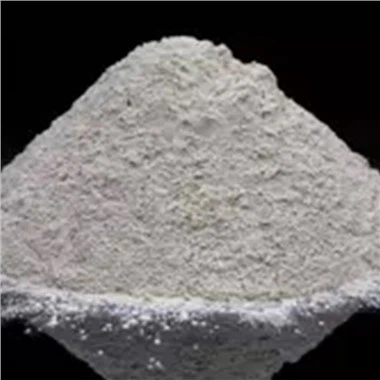
First things first, let's talk about what CMC Cellulose is. CMC stands for Carboxymethyl Cellulose, and it's a derivative of cellulose, which is the main component of plant cell walls. Cellulose is a long chain of glucose molecules, and CMC is made by chemically modifying cellulose to add carboxymethyl groups. This makes CMC water-soluble and gives it some really useful properties.
There are different types of CMC Cellulose, like Carboxymethyl Cellulose Sodium, Food Grade Powder CMC, and Food Grade Granular CMC. These different forms have slightly different characteristics, but they all share some common features that make them great for biofuel production.
How CMC Cellulose Helps in Biofuel Production
1. Pretreatment of Biomass
The first step in making biofuels is to break down the biomass, which is the raw material like corn stalks, wood chips, or algae. Biomass is made up of complex polymers like cellulose, hemicellulose, and lignin, and it's not easy to access the sugars inside. CMC Cellulose can be used in the pretreatment process to help break down the biomass.
It acts as a dispersant and stabilizer. When added to the biomass slurry, it helps to keep the particles evenly distributed in the liquid. This is important because it ensures that all the biomass is exposed to the pretreatment chemicals or enzymes. For example, if you're using an acid or an enzyme to break down the cellulose, CMC makes sure that the reaction happens uniformly across the biomass.
It also helps to prevent the aggregation of biomass particles. Without CMC, the particles might clump together, which would reduce the surface area available for the pretreatment reaction. By keeping the particles separated, CMC allows for a more efficient breakdown of the biomass, which means more sugars can be released for fermentation later on.
2. Fermentation Process
Once the biomass has been pretreated and the sugars have been released, the next step is fermentation. Yeasts or bacteria are used to convert the sugars into biofuels like ethanol or biodiesel. CMC Cellulose can play a role here too.
It can improve the viscosity of the fermentation broth. A proper viscosity is important for the fermentation process. If the broth is too thin, the microorganisms might not be able to grow and function properly. On the other hand, if it's too thick, it can be difficult for the nutrients and oxygen to reach the microorganisms. CMC can be adjusted to achieve the right viscosity, which provides a better environment for the microorganisms to thrive.
CMC also acts as a protective colloid. It can surround the microorganisms and protect them from the harsh conditions in the fermentation broth. For example, it can shield them from the shear forces generated by the agitation in the fermenter. This helps to keep the microorganisms alive and active, leading to a more efficient fermentation process and higher biofuel yields.


3. Emulsification in Biodiesel Production
In biodiesel production, the oil from plants or animals needs to be converted into biodiesel through a transesterification reaction. Sometimes, there can be issues with the separation of the biodiesel and the glycerol by - product. CMC Cellulose can be used as an emulsifier.
It helps to form stable emulsions between the biodiesel and the glycerol during the reaction. This is important because it allows for a more complete reaction. After the reaction is complete, the emulsion can be broken down, and the biodiesel can be easily separated from the glycerol. CMC's ability to form and control emulsions makes the biodiesel production process more efficient and reduces the amount of waste.
Advantages of Using CMC Cellulose in Biofuel Production
1. Cost - Effectiveness
CMC Cellulose is relatively inexpensive compared to some other additives that could be used in biofuel production. It can be produced in large quantities, and its cost - benefit ratio is quite good. By improving the efficiency of the biomass pretreatment, fermentation, and biodiesel production processes, it can actually save money in the long run.
For example, in the fermentation process, by increasing the biofuel yields, it means that more biofuel can be produced from the same amount of biomass. This reduces the overall cost per unit of biofuel produced.
2. Environmental Friendliness
Since CMC Cellulose is derived from cellulose, which is a renewable resource, it's an environmentally friendly option. It doesn't contribute to the depletion of non - renewable resources like fossil fuels. And because it helps to improve the efficiency of biofuel production, it also supports the production of cleaner and more sustainable biofuels.
3. Compatibility with Existing Processes
One of the great things about CMC Cellulose is that it can be easily incorporated into existing biofuel production processes. Whether you're using a traditional batch fermentation system or a continuous flow process, CMC can be added without major modifications to the equipment or procedures. This makes it a practical choice for biofuel producers who want to improve their processes without having to make huge investments in new technology.
Conclusion
So, as you can see, CMC Cellulose has a lot of important roles to play in the production of biofuels. From helping to break down the biomass in the pretreatment stage, to improving the fermentation process and aiding in biodiesel production, it's a versatile and valuable additive.
If you're in the biofuel production business, I highly recommend considering using CMC Cellulose in your processes. It can improve the efficiency, reduce costs, and make your biofuel production more sustainable. If you're interested in learning more about our CMC Cellulose products or want to discuss how it can fit into your specific biofuel production needs, don't hesitate to reach out for a procurement discussion.
References
- Smith, J. (2020). Advances in Biofuel Production Technologies. Journal of Renewable Energy, 15(2), 123 - 135.
- Johnson, A. (2019). The Role of Additives in Biomass Pretreatment. Biomass and Bioenergy, 22(3), 89 - 98.
- Brown, C. (2021). Fermentation Optimization for Biofuel Production. Biotechnology Today, 30(4), 201 - 210.