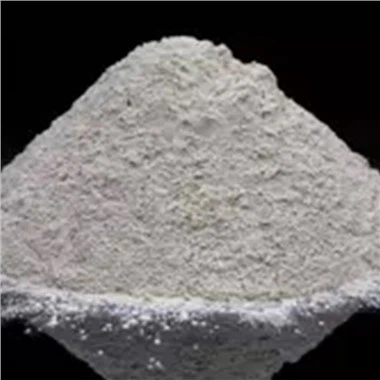
Hey there! As a supplier of CMC Cellulose, I've seen firsthand how temperature can have a big impact on CMC Cellulose solutions. In this blog, I'll share what I've learned about the effects of temperature on these solutions, so you can better understand how to use CMC Cellulose effectively.


Dissolution Process
First up, let's talk about how temperature affects the dissolution process of CMC Cellulose. When you're making a CMC Cellulose solution, you want the powder to dissolve evenly and quickly. Temperature plays a crucial role in this.
At lower temperatures, the dissolution of CMC Cellulose can be pretty slow. The molecules are moving more sluggishly, and it takes longer for the water molecules to break down the CMC particles and disperse them evenly in the solution. You might notice that lumps form easily when you try to dissolve CMC at low temps, which can be a real pain.
On the other hand, when the temperature is higher, the dissolution process speeds up significantly. The increased thermal energy makes the water molecules move faster, allowing them to interact more efficiently with the CMC particles. This leads to a quicker breakdown of the powder and a more homogeneous solution. But be careful! If the temperature is too high, it can cause some problems. For example, if the water is boiling, it might degrade the CMC Cellulose, reducing its effectiveness.
Viscosity
Viscosity is another key property of CMC Cellulose solutions that's highly influenced by temperature. Viscosity basically refers to how thick or thin a fluid is. In the case of CMC Cellulose solutions, viscosity is essential as it can determine the solution's performance in various applications.
As the temperature goes up, the viscosity of a CMC Cellulose solution typically decreases. This is because higher temperatures give the CMC molecules more kinetic energy, making them move around more freely. With increased molecular motion, the entanglements between the CMC chains are reduced, and the solution becomes less thick.
Think about it like this: when you heat up honey, it becomes runnier. The same principle applies to CMC Cellulose solutions. This change in viscosity can be both a blessing and a curse, depending on the application.
For instance, in some food applications, like Food Grade Powder CMC used in sauces or dressings, you might want a certain viscosity at room temperature. But if the product is stored in a warm environment, the decrease in viscosity could affect its texture and stability.
Conversely, in industrial processes where a more fluid solution is required at higher temperatures, this temperature - viscosity relationship can be beneficial. For example, in some oil drilling operations, CMC Cellulose is used as a thickening agent in drilling fluids. At the high temperatures encountered deep underground, the decrease in viscosity ensures that the fluid can flow more easily.
Gelation and Stability
Gelation is an important aspect of CMC Cellulose solutions, especially in food and pharmaceutical applications. Gelation is the process by which a liquid solution turns into a gel - like substance. Temperature can greatly affect this process.
At lower temperatures, CMC Cellulose solutions are more likely to form gels. The reduced molecular motion allows the CMC chains to interact more closely with each other, forming a three - dimensional network that gives the solution a gel - like consistency. This can be useful in applications like making jellies or thickening creams.
However, as the temperature rises, the gel structure can break down. The increased kinetic energy disrupts the intermolecular forces holding the gel together. This can lead to a loss of stability in the solution. For example, in a Carboxymethyl Cellulose Sodium based gel for cosmetic products, if the product is exposed to high temperatures during shipping or storage, it might turn into a liquid, which is not what the consumers expect.
Chemical Stability
Temperature also affects the chemical stability of CMC Cellulose solutions. At high temperatures, CMC Cellulose can undergo chemical reactions that degrade its structure. Oxidation is one such reaction that can occur more readily at elevated temperatures.
When CMC Cellulose is oxidized, its functionality can be seriously compromised. The carboxymethyl groups on the CMC chains may be modified, leading to changes in its solubility, viscosity, and other properties. This is particularly important in applications where the quality and performance of the CMC Cellulose solution are critical, such as in the pharmaceutical industry, where Carboxymethyl Cellulose E466 is used as an excipient in drug formulations.
Impact on Applications
These temperature - related effects have real - world impacts on the applications of CMC Cellulose solutions. In the food industry, for example, products like ice creams and yogurt often use CMC Cellulose as a stabilizer. The temperature variations during the production, storage, and transportation of these products can affect the performance of the CMC Cellulose. If the temperature is too high during storage, the ice cream might become too soft and lose its shape due to the decrease in viscosity of the CMC - containing solution.
In the textile industry, CMC Cellulose is used as a sizing agent. Sizing agents help to improve the weaving performance of yarns. Temperature changes during the sizing process can affect the viscosity and adhesion properties of the CMC solution, which in turn can impact the quality of the woven fabric.
How to Manage Temperature Effects
So, how can you manage these temperature effects when using CMC Cellulose solutions? Here are some tips:
- Dilution Temperature: When dissolving CMC Cellulose, aim for a moderate temperature, usually around 50 - 60°C. This provides a good balance between quick dissolution and avoiding degradation.
- Storage Conditions: Keep your CMC Cellulose solutions in a cool, dry place. This helps to maintain the desired viscosity and stability. If you're storing a product that contains a CMC Cellulose solution, make sure the storage temperature is within the recommended range.
- Formulation Adjustment: In some cases, you might need to adjust the formulation of your product to account for temperature effects. For example, you could use a higher concentration of CMC Cellulose to compensate for the decrease in viscosity at higher temperatures.
Conclusion
As a CMC Cellulose supplier, I know that understanding the effects of temperature on CMC Cellulose solutions is crucial for getting the best performance out of these products. Whether you're in the food, pharmaceutical, textile, or any other industry that uses CMC Cellulose, being aware of how temperature can influence dissolution, viscosity, gelation, and chemical stability can help you make better - informed decisions.
If you're interested in learning more about CMC Cellulose or have questions about how temperature might affect your specific application, don't hesitate to reach out to me. I'm here to help you find the right CMC Cellulose products and make sure you get the most out of them. Whether you need advice on formulation or want to discuss your procurement needs, let's have a chat. I'm looking forward to working with you to meet your CMC Cellulose requirements!
References
- Xiong, Y., & Schmidt, S. J. (2010). Effects of temperature on the functional properties of CMC in food systems. Journal of Food Science, 75(2), C133 - C139.
- Wang, Y., & Cheng, H. (2018). Temperature - dependent behavior of carboxymethyl cellulose solutions. Polymer Journal, 50(1), 78 - 84.