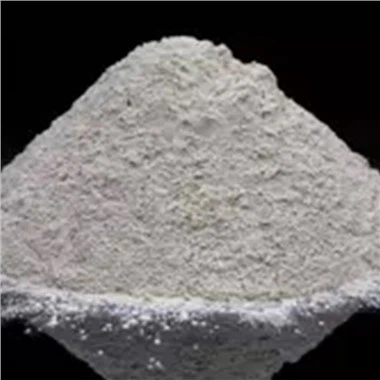
As a supplier of Fine Powder Organoclay, I'm well - versed in its many applications and advantages. However, it's also crucial to be transparent about its potential disadvantages. This knowledge helps our customers make informed decisions and use the product more effectively.
1. Health and Safety Concerns
One of the primary disadvantages of using Fine Powder Organoclay is related to health and safety. Fine powder substances are easily airborne, and when inhaled, they can pose significant risks to human health. The tiny particles of Fine Powder Organoclay can penetrate deep into the lungs, causing respiratory problems such as coughing, wheezing, and shortness of breath. Prolonged exposure may even lead to more severe conditions like pneumoconiosis, a type of lung disease caused by the inhalation of dust.
Moreover, some organoclays may contain trace amounts of heavy metals or other toxic substances. These contaminants can be released into the environment or absorbed by the body when the powder is handled. Workers in industries that use Fine Powder Organoclay, such as paint manufacturing or oil drilling, are at a particularly high risk. They need to wear appropriate personal protective equipment (PPE), including respirators and protective clothing, to minimize exposure. However, even with PPE, there is still a risk of accidental exposure, especially if the safety protocols are not strictly followed.
2. Environmental Impact
The environmental impact of Fine Powder Organoclay is another significant concern. When released into the environment, the fine powder can contaminate soil, water, and air. In soil, it can alter the soil structure and reduce its permeability, which may affect plant growth. The clay particles can also bind to nutrients in the soil, making them less available to plants.
In water bodies, Fine Powder Organoclay can cause turbidity, reducing the amount of light that penetrates the water. This can have a negative impact on aquatic plants and animals that rely on sunlight for photosynthesis and survival. Additionally, the clay particles may settle at the bottom of water bodies, smothering benthic organisms and disrupting the aquatic ecosystem.
The production process of Fine Powder Organoclay also consumes a significant amount of energy and resources. Mining the raw materials, processing them into organoclay, and transporting the final product all contribute to greenhouse gas emissions and other environmental pollutants. As environmental regulations become more stringent, companies using Fine Powder Organoclay may face challenges in meeting the compliance requirements.
3. Compatibility Issues
Fine Powder Organoclay may not be compatible with all types of systems. In some polymer - based applications, for example, the organoclay may not disperse evenly, leading to inconsistent properties in the final product. This can result in poor mechanical performance, such as reduced strength or flexibility.
In coatings and paints, compatibility issues can cause problems like poor adhesion, blistering, or a rough surface finish. The organoclay may interact with other additives or solvents in the formulation, altering their chemical properties and affecting the overall quality of the coating. For instance, if the organoclay is not properly dispersed in a paint system, it can cause the paint to have a grainy texture, which is aesthetically unappealing.
Even in oil - based drilling fluids, where Fine Powder Organoclay is commonly used as a viscosifier, compatibility issues can arise. The organoclay may not work well with certain types of drilling mud additives, leading to a decrease in the fluid's performance. This can result in increased drilling costs and potential problems during the drilling process.


4. Handling and Storage Challenges
Handling Fine Powder Organoclay can be a challenging task. The fine powder is prone to dusting, which can create a messy work environment and increase the risk of inhalation exposure. Special handling equipment, such as dust - collection systems and sealed containers, is required to minimize dust generation.
Storage is also a concern. Fine Powder Organoclay should be stored in a dry and cool place to prevent moisture absorption. Moisture can cause the powder to clump together, making it difficult to use. Once the powder has clumped, it may need to be re - processed or discarded, which can be costly.
In addition, the storage area needs to be well - ventilated to prevent the accumulation of dust. If the dust concentration in the storage area reaches a certain level, it can pose an explosion hazard, especially in the presence of an ignition source.
5. Cost - effectiveness
Although Fine Powder Organoclay offers many benefits in various applications, it may not always be the most cost - effective option. The production process of organoclay is relatively complex and requires specialized equipment and expertise, which can drive up the cost.
Compared to some alternative products, such as synthetic thickeners or natural gums, Fine Powder Organoclay may be more expensive. In some cases, the performance improvement provided by the organoclay may not justify the additional cost. For example, in low - end paint applications, where high - performance properties are not required, using a cheaper thickener may be a more cost - effective choice.
Moreover, the cost of handling and disposing of Fine Powder Organoclay also needs to be considered. The need for special handling equipment, personal protective equipment, and environmental compliance measures all add to the overall cost of using the product.
Despite these disadvantages, Fine Powder Organoclay still has its place in many industries. Its unique properties, such as high viscosity and thixotropy, make it suitable for a wide range of applications. If you want to learn more about our Fine Powder Organoclay or our Guanual Painting Grade Organoclay, we encourage you to contact us for a detailed discussion. We can help you evaluate whether Fine Powder Organoclay is the right choice for your specific needs and provide solutions to mitigate its potential drawbacks.
References
- ASTM International. (20XX). Standard test methods for evaluating the properties of organoclays.
- Environmental Protection Agency. (20XX). Guidelines for the management of fine powder substances in industrial settings.
- Journal of Materials Science. (20XX). Studies on the compatibility of organoclays in polymer systems.