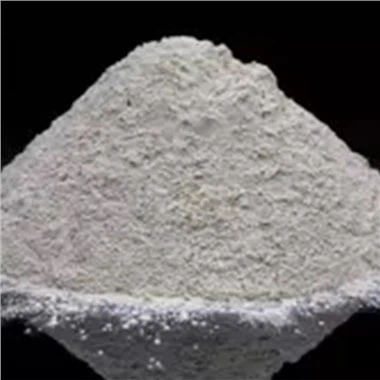
Sucralose, a well - known artificial sweetener, has gained significant popularity in the food and beverage industry due to its high sweetness, low - calorie nature, and excellent stability. It comes in two common forms: granulated sucralose and liquid sucralose. As a granulated sucralose supplier, I have in - depth knowledge of these two forms and would like to share the differences between them.
Physical Properties
One of the most obvious differences between granulated sucralose and liquid sucralose lies in their physical states. Granulated sucralose appears as a fine, white powder. This form is similar in texture to regular table sugar, which makes it highly familiar and easy to handle for consumers and food manufacturers alike. The granular form allows for easy measuring, especially in home cooking and baking. You can simply scoop it with a measuring spoon, just like you would with sugar, and add it to your recipes.
On the other hand, liquid sucralose is a clear, viscous liquid. It is often sold in small bottles with a dropper for precise dosing. The liquid form is more suitable for applications where a quick - dissolving sweetener is required, and where the volume added to the product needs to be carefully controlled. For example, in making beverages, a few drops of liquid sucralose can be easily incorporated into the drink without altering its volume significantly.
Solubility
Both granulated and liquid sucralose are highly soluble in water, but their solubility characteristics differ slightly. Granulated sucralose dissolves relatively quickly in warm or hot water. When added to a hot liquid, the granules break down and disperse evenly throughout the solution. However, in cold water, the dissolution process may be a bit slower, and it might require some stirring to ensure complete dissolution.


Liquid sucralose, being already in a dissolved state, has an immediate solubility advantage. It can be added directly to both cold and hot liquids, and it mixes instantaneously without the need for excessive agitation. This property makes it a preferred choice for cold beverages such as iced tea, lemonade, and smoothies, where quick and complete dissolution is crucial for a consistent taste.
Sweetness Intensity and Dosing
Sucralose is known for being extremely sweet, about 400 - 800 times sweeter than sucrose (table sugar). When it comes to dosing, the difference between granulated and liquid sucralose is notable. Granulated sucralose is typically sold in standard packages with dosing instructions based on its equivalent sweetness to sugar. For example, a certain amount of granulated sucralose might be equivalent to a cup of sugar in terms of sweetness. However, due to its granular form, it can be a bit challenging to achieve extremely precise dosing, especially when small amounts are needed.
Liquid sucralose offers more precise dosing. The dropper provided with the bottle allows for accurate measurement of the sweetener. This is particularly important in applications where exact sweetness levels need to be maintained, such as in the production of pharmaceutical products or in scientific experiments. Moreover, the liquid form makes it easier to adjust the sweetness level incrementally. You can start with a small number of drops and add more if necessary until the desired sweetness is achieved.
Storage and Shelf - Life
Granulated sucralose has excellent storage stability. It can be stored at room temperature in a dry place for an extended period without significant degradation. The powder form is less prone to contamination compared to the liquid form, as it is less likely to come into contact with moisture and microorganisms. As long as the package is properly sealed, granulated sucralose can retain its quality for years.
Liquid sucralose, although also stable, requires more careful storage. Since it is in a liquid state, it is more susceptible to microbial growth if not stored properly. It should be kept refrigerated after opening to maintain its freshness and prevent spoilage. Additionally, exposure to light can also affect the quality of liquid sucralose over time, so it is best to store it in a dark place.
Applications in the Food and Beverage Industry
In the food and beverage industry, both forms of sucralose have their unique applications. Granulated sucralose is widely used in baking and cooking. It can be used as a direct replacement for sugar in recipes for cakes, cookies, bread, and other baked goods. Its granular form allows it to blend well with dry ingredients and provides a similar texture to sugar during the baking process. For example, in a cake recipe, granulated sucralose can help achieve the right browning and structure, just like sugar does.
Liquid sucralose is commonly used in the production of beverages, both carbonated and non - carbonated. It is added to soft drinks, sports drinks, and energy drinks to provide sweetness without adding calories. The liquid form can be easily incorporated into the beverage production line, and its precise dosing capability ensures consistent sweetness across different batches. Moreover, in the production of dairy products such as yogurt and ice cream, liquid sucralose can be added during the mixing process to provide a sweet taste without altering the texture of the product.
Regulatory and Safety Considerations
Both granulated and liquid sucralose are subject to the same regulatory requirements. Sucralose has been approved by major food safety authorities around the world, including the U.S. Food and Drug Administration (FDA) and the European Food Safety Authority (EFSA). It is assigned the E - number E955, which indicates its approval for use in food products in the European Union. For more information on the regulatory aspects, you can visit Sucralose E955.
In terms of safety, extensive research has been conducted on sucralose, and it has been found to be safe for consumption. It is non - caloric and does not have a significant impact on blood sugar levels, making it a suitable sweetener for people with diabetes and those watching their calorie intake. For details on the composition of sucralose, refer to Sucralose Composition. Additionally, if you are interested in the dietary aspects of sucralose, Dietary Sucralose provides valuable information.
Cost - Effectiveness
Cost - effectiveness is an important factor to consider when choosing between granulated and liquid sucralose. Granulated sucralose is generally more cost - effective in large - scale applications, especially in the food manufacturing industry. The production process of granulated sucralose is relatively straightforward, and it can be produced in large quantities at a lower cost per unit. Moreover, its long - shelf life and ease of storage reduce the overall cost associated with inventory management.
Liquid sucralose, while more expensive per unit volume, can be cost - effective in applications where precise dosing is crucial. Since it allows for accurate measurement, there is less waste of the sweetener. In industries where product consistency is of utmost importance, the higher cost of liquid sucralose can be justified by the improved quality and reduced variability in the final product.
As a granulated sucralose supplier, I understand the diverse needs of our customers. Whether you are a home cook looking for a sugar substitute or a large - scale food manufacturer in need of a reliable sweetener, granulated sucralose offers many advantages. Its familiar form, ease of use, and cost - effectiveness make it a popular choice. If you are interested in learning more about our granulated sucralose products or would like to discuss a potential purchase, please feel free to reach out. We are committed to providing high - quality products and excellent customer service. Let's start a conversation about how our granulated sucralose can meet your specific requirements.
References
- "Food Additives: Understanding Sucralose" by the World Health Organization.
- "Sucralose: Chemistry, Safety, and Applications" in the Journal of Food Science.
- "Comparative Study of Granulated and Liquid Sweeteners in Food Products" from a research paper in the International Journal of Food Technology.