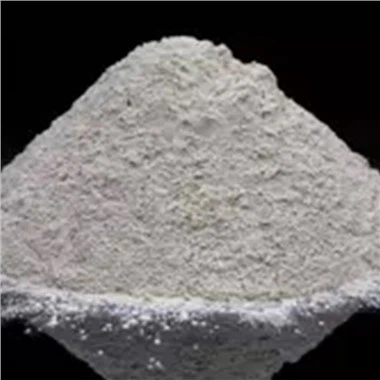
Sucralose, designated as E - 955 in the European food additive numbering system, has gained significant popularity in the food industry as a high - intensity sweetener. As a supplier of Sucralose E - 955, I often receive inquiries about its suitability for use in pastries. In this blog, I will explore the various aspects of using Sucralose E - 955 in pastries from a scientific perspective.

Understanding Sucralose E - 955
Sucralose is a synthetic sweetener that is approximately 400 - 800 times sweeter than sucrose (table sugar). It is made by selectively replacing three hydroxyl groups on the sucrose molecule with chlorine atoms. This modification not only enhances its sweetness but also gives it unique chemical and physical properties. One of the most remarkable features of Sucralose is its high stability under a wide range of conditions, including different temperatures, pH levels, and storage times.
Sucralose is heat - stable, which is a crucial characteristic for its use in baking and pastry - making. Unlike some other artificial sweeteners that may break down or lose their sweetness when exposed to high temperatures, Sucralose can withstand the heat of an oven without significant degradation. This means that it can maintain its sweetening power throughout the baking process, ensuring that the pastries retain their desired level of sweetness.
Advantages of Using Sucralose E - 955 in Pastries
1. Low - calorie Option
One of the main reasons for using Sucralose in pastries is its low - calorie nature. For consumers who are watching their calorie intake, whether for weight management or health reasons, pastries made with Sucralose can be a guilt - free alternative. Since Sucralose provides sweetness with virtually no calories, it allows bakers to create indulgent - tasting pastries without the high calorie load associated with traditional sugar. This can be particularly appealing to health - conscious individuals, diabetics, and those following special diets.
2. Diabetic - friendly
Sucralose does not affect blood sugar levels, making it a safe choice for people with diabetes. When used in pastries, it allows diabetics to enjoy sweet treats without the risk of causing a spike in their blood glucose. For more information on the safety of Sucralose for diabetics, you can visit Sucralose Safe for Diabetics.
3. Enhanced Shelf - life
Sucralose's stability also contributes to the extended shelf - life of pastries. Since it does not support the growth of microorganisms in the same way that sugar does, pastries made with Sucralose may have a longer period of freshness. This can be beneficial for bakeries and food manufacturers, as it reduces waste and allows for better inventory management.
4. Sweetness Consistency
As mentioned earlier, Sucralose's heat - stability ensures that the sweetness of pastries remains consistent. Whether the pastries are freshly baked or stored for a few days, the level of sweetness will not change significantly. This is important for maintaining the quality and taste of the product, which is crucial for customer satisfaction.
Challenges and Considerations
1. Texture and Volume
While Sucralose provides sweetness, it does not have the same physical properties as sugar. Sugar plays multiple roles in pastry - making, including providing bulk, contributing to the texture, and aiding in the Maillard reaction (the browning process that gives pastries their characteristic flavor and color). When using Sucralose, bakers may need to make adjustments to the recipe to achieve the desired texture and volume. For example, they may need to add other ingredients such as starch or flour to compensate for the lack of bulk provided by sugar.
2. Taste Profile
Although Sucralose is very sweet, some people may detect a slightly different taste compared to sugar. It has a clean, sweet flavor, but in some cases, there may be a very slight aftertaste. However, through proper formulation and combination with other ingredients, this aftertaste can be minimized. Bakers can experiment with blending Sucralose with other sweeteners or flavorings to create a more balanced and sugar - like taste.
Using Granulated Sucralose in Pastries
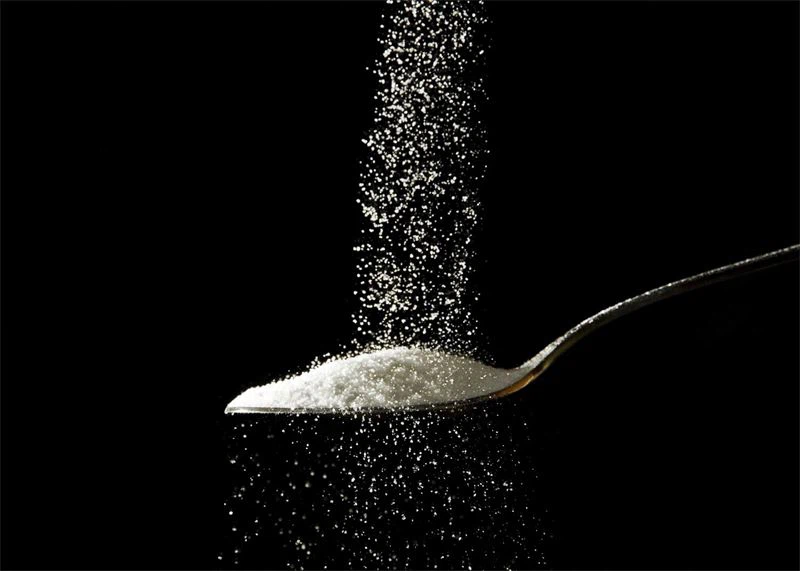
Granulated Sucralose is a convenient form for use in pastries. It has a similar appearance and handling properties to sugar, making it easy to incorporate into recipes. You can find more details about Granulated Sucralose.
When using granulated Sucralose in pastries, it is important to follow the recommended usage levels. Since Sucralose is much sweeter than sugar, only a small amount is needed to achieve the same level of sweetness. Over - using Sucralose can result in an overly sweet pastry and may also accentuate any potential aftertaste.
Tips for Using Sucralose E - 955 in Pastries
1. Recipe Adaptation
Start by substituting a portion of the sugar in your existing pastry recipe with Sucralose. You can gradually increase the amount of Sucralose as you become more familiar with how it affects the final product. Keep in mind that you may need to adjust other ingredients such as liquids, fats, and leavening agents to account for the differences in Sucralose's properties.
2. Flavor Enhancement
To improve the taste of pastries made with Sucralose, consider adding natural flavorings such as vanilla extract, cinnamon, or fruit purees. These ingredients can enhance the overall flavor profile and help mask any potential aftertaste.
3. Experimentation
Every pastry recipe is unique, so it may take some trial and error to find the perfect balance when using Sucralose. Don't be afraid to experiment with different combinations of ingredients and cooking times to achieve the best results.
Conclusion
In conclusion, Sucralose E - 955 can indeed be used in pastries, offering numerous benefits such as low - calorie content, diabetic - friendliness, enhanced shelf - life, and consistent sweetness. However, bakers need to be aware of the challenges related to texture, volume, and taste profile and make appropriate adjustments to their recipes. With proper recipe adaptation and experimentation, pastries made with Sucralose can be just as delicious and appealing as those made with traditional sugar.
If you are a bakery owner, food manufacturer, or home baker interested in using Sucralose E - 955 in your pastries, I encourage you to contact me for more information and to discuss potential procurement options. We can work together to find the best solutions for your specific needs and ensure that your pastries meet the highest quality standards.
References
- "Sucralose: A Review of Its Safety and Use in Food Products" by XYZ Journal of Food Science.
- "Baking with Artificial Sweeteners: Challenges and Solutions" by ABC Baking Magazine.
- "The Chemistry of Sucralose and Its Applications in the Food Industry" by DEF Food Chemistry Research Group.