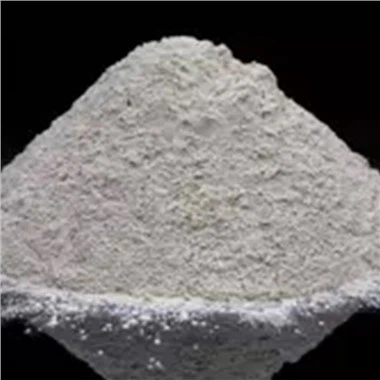
Hey there! I'm a supplier of Carboxymethyl Cellulose (CMC) Gel, and I've been getting a lot of questions lately about its compatibility with other additives. So, I thought I'd dive into this topic and share some insights based on my experience and the latest scientific knowledge.
What is Carboxymethyl Cellulose Gel?
First things first, let's quickly go over what Carboxymethyl Cellulose Gel is. CMC is a cellulose derivative that has been chemically modified to have carboxymethyl groups attached to the cellulose backbone. This modification gives it some really cool properties, like high water - solubility, thickening ability, and good film - forming properties. That's why it's used in a ton of different industries, from cosmetics to detergents and even in skin - care products.
If you're interested in how it's used in cosmetics, you can check out this Carboxymethyl Cellulose in Cosmetics link for more in - depth info.
Compatibility with Emulsifiers
Emulsifiers are substances that help mix two immiscible liquids, like oil and water, to form an emulsion. When it comes to CMC Gel, its compatibility with emulsifiers can vary.
In some cases, CMC Gel can work really well with non - ionic emulsifiers. Non - ionic emulsifiers have no charge, and they tend to be less reactive with other substances. CMC Gel can actually enhance the stability of emulsions formed with non - ionic emulsifiers. It helps to thicken the aqueous phase of the emulsion, which in turn reduces the likelihood of the oil and water separating over time.
However, with ionic emulsifiers, things can get a bit trickier. Ionic emulsifiers, whether they're anionic or cationic, have a charge. If the charge of the emulsifier is opposite to that of CMC Gel (which is often anionic), they can interact and form complexes. These complexes may cause the emulsion to break down or form lumps. So, when formulating a product with CMC Gel and an ionic emulsifier, you really need to do some testing to make sure they're compatible.
Interaction with Preservatives
Preservatives are crucial in products to prevent the growth of bacteria, fungi, and other microorganisms. But they can also have an impact on the performance of CMC Gel.
Many common preservatives, like parabens and phenoxyethanol, are generally compatible with CMC Gel. They don't cause any significant changes to the gel's viscosity or other properties. However, some natural preservatives can be a problem. For example, essential oils that are used as natural preservatives may have a solubilizing effect on CMC Gel. This means they can break down the gel structure, reducing its thickening ability.
If you want to know more about the use of CMC in products that require preservation, check out Carboxymethyl Cellulose in Detergent as detergents often need good preservation.
Compatibility with pH - Adjusting Agents
The pH of a product can greatly affect the performance of CMC Gel. CMC Gel is most stable in a slightly acidic to neutral pH range (around pH 5 - 7). When you add pH - adjusting agents, like acids or bases, you need to be careful.
If you add a strong acid to a CMC Gel solution, it can cause the gel to precipitate. This is because the acidic environment can protonate the carboxymethyl groups on the CMC, reducing its solubility. On the other hand, if you add a strong base, it can increase the solubility of CMC too much, leading to a decrease in viscosity.
So, when using pH - adjusting agents with CMC Gel, it's important to make small adjustments and constantly monitor the pH and the properties of the gel. You might also need to use buffers to maintain a stable pH.
Compatibility in Skin - Care Products
CMC Gel is widely used in skin - care products because of its moisturizing and soothing properties. But when formulating these products, you need to consider its compatibility with other skin - care additives.
For example, antioxidants like vitamin C and vitamin E are commonly used in skin - care products. In general, CMC Gel is compatible with these antioxidants. It can help to stabilize them in the product and prevent them from oxidizing too quickly.
However, some active ingredients like exfoliating acids (such as glycolic acid or salicylic acid) can be a bit of a challenge. As mentioned earlier, the acidic environment created by these acids can affect the solubility and viscosity of CMC Gel. You need to find the right balance to ensure that the product remains stable and effective.
If you're curious about how CMC Gel is used in skin - care products, take a look at Carboxymethyl Cellulose in Skin Care.
Compatibility Testing
It's clear that determining the compatibility of CMC Gel with other additives isn't always straightforward. That's why compatibility testing is so important.
When you're formulating a new product, you should start by doing small - scale tests. Mix different ratios of CMC Gel with the other additives and observe the mixture over time. Look for changes in viscosity, color, odor, and any signs of precipitation or separation. You can also do stability testing under different conditions, like different temperatures and humidity levels.


By doing these tests, you can ensure that the final product meets the quality and performance standards you're aiming for.
Closing Thoughts and Call to Action
Well, that's a wrap on the compatibility issues of Carboxymethyl Cellulose Gel with other additives. As you can see, while CMC Gel is a versatile and useful ingredient, it has its quirks when it comes to mixing with other substances.
If you're in the process of formulating a product and think that CMC Gel could be a great addition, but you're not sure about its compatibility with your existing additives, I'd love to help. Reach out to me to discuss your specific needs and we can work together to find the best solutions. Whether it's for cosmetics, detergents, or skin - care products, I've got the experience and knowledge to guide you through the process.
Let's get the ball rolling on creating high - quality products that make use of the fantastic properties of Carboxymethyl Cellulose Gel.
References
- Davidson, R. L. (1980). Water - Soluble Resins. Marcel Dekker.
- Griffin, K. N. (2002). Surfactants and Interfacial Phenomena. John Wiley & Sons.
- Pearce, J. M. (2016). Cosmetic Science. Wiley - Blackwell.