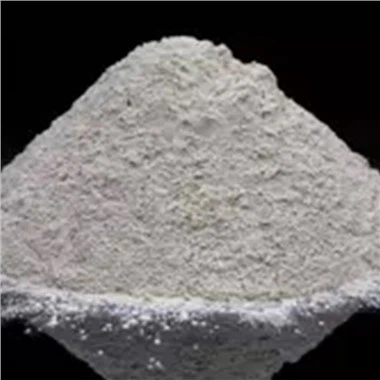
Hey there! As a supplier of Granular Polyanionic Cellulose (PAC), I'm super stoked to share with you all about its chemical properties. So, let's dive right in!
Solubility and Dissolution
Granular Polyanionic Cellulose is highly soluble in water, which is a key property that makes it so useful in various industries. When it comes into contact with water, the granules start to swell and gradually dissolve. This solubility is influenced by factors like temperature and pH.
At room temperature, the dissolution process might take a bit of time, but it speeds up as the temperature rises. However, we need to be careful not to go too high, as extremely high temperatures can cause some degradation of the PAC.
The pH of the solution also plays a big role. In a neutral to slightly alkaline environment, PAC dissolves quite readily. But in acidic conditions, the solubility can be reduced. This is important to keep in mind when using PAC in different applications, like in drilling fluids where the pH can vary.
Viscosity and Thickening Ability
One of the most important chemical properties of Granular Polyanionic Cellulose is its ability to thicken solutions. When PAC dissolves in water, it forms a viscous solution. This thickening effect is due to the long - chain structure of the cellulose polymer.
The viscosity of the PAC solution depends on several factors. The concentration of PAC is a major one. As we increase the amount of PAC in the solution, the viscosity goes up significantly. Another factor is the molecular weight of the PAC. Higher molecular weight PAC generally results in higher viscosity solutions.
This thickening ability makes PAC extremely useful in many industries. For example, in the oil and gas industry, it's used in drilling fluids to control the viscosity and prevent the collapse of the wellbore. In the food industry, it can be used as a thickener in sauces and dressings.
Ionic Nature and Electrostatic Interactions
Granular Polyanionic Cellulose is an anionic polymer, which means it has a negative charge. This ionic nature leads to some interesting electrostatic interactions.
In solution, the negatively charged PAC molecules can interact with positively charged ions or particles. This interaction can be used to flocculate or coagulate suspended particles in a solution. For instance, in water treatment, PAC can be used to remove impurities by causing them to clump together and settle out.
The ionic nature also affects the stability of the PAC solution. In the presence of high concentrations of salts, the electrostatic interactions can be disrupted, leading to a decrease in viscosity. This is known as the salt - tolerance of PAC. Different grades of PAC have different levels of salt - tolerance. Some grades are specifically designed to work well in high - salt environments, like in offshore drilling where the drilling fluids are often in contact with saltwater.
Chemical Stability
Granular Polyanionic Cellulose shows good chemical stability under normal conditions. It is resistant to many common chemicals, which makes it suitable for use in a wide range of environments.
However, it can be affected by strong oxidizing agents. Oxidizing agents can break the chemical bonds in the PAC polymer, leading to a decrease in its molecular weight and a loss of its thickening ability. So, when using PAC in applications where it might come into contact with oxidizing agents, we need to take appropriate precautions.
Compatibility with Other Substances
PAC is generally compatible with a wide range of other substances. It can be mixed with other polymers, surfactants, and additives without significant chemical reactions.
For example, in the formulation of drilling fluids, PAC can be combined with other polymers like xanthan gum to enhance the overall performance of the fluid. The combination can provide better viscosity control and fluid loss prevention.
In the paint industry, PAC can be used in combination with pigments and binders to improve the stability and rheological properties of the paint.


Different Grades of Granular Polyanionic Cellulose
We offer different grades of Granular Polyanionic Cellulose to meet the diverse needs of our customers.
The Fast Dispersed Polyanionic Cellulose PAC LV is designed for applications where a lower viscosity is required. It disperses quickly in water, which is great for processes where time is of the essence. This grade is often used in applications like some types of food products where a thinner consistency is desired.
On the other hand, the Fast Dispersed Polyanionic Cellulose PAC HV is for applications that need high viscosity. It has a higher molecular weight and can provide a more viscous solution even at lower concentrations. This grade is commonly used in the oil and gas industry for drilling fluids in deep - well drilling.
Conclusion
In conclusion, the chemical properties of Granular Polyanionic Cellulose make it a versatile and valuable material in many industries. Its solubility, viscosity - building ability, ionic nature, chemical stability, and compatibility with other substances all contribute to its wide range of applications.
If you're interested in using Granular Polyanionic Cellulose for your business, I'd love to have a chat with you. Whether you need more information about the different grades, or you want to discuss a specific application, feel free to reach out. We're here to help you find the best PAC solution for your needs.
References
- "Cellulose Derivatives: Properties and Applications" - A comprehensive book on cellulose - based polymers.
- Research papers on the use of Polyanionic Cellulose in the oil and gas industry, available in scientific journals.
- Technical reports from industry associations related to the use of PAC in various applications.