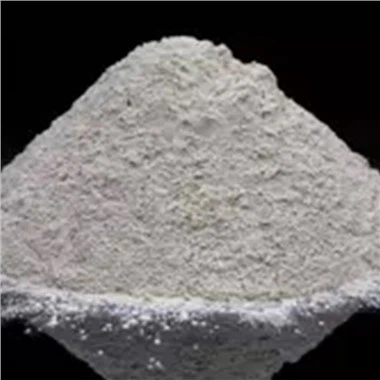
Sodium Carboxymethyl Cellulose (CMC), also known as Carboxymethyl Cellulose Sodium, is a versatile compound widely used in various industries, including food, pharmaceuticals, and cosmetics. As a leading supplier of Sodium Carboxymethyl, I am often asked about its environmental impacts. In this blog post, I will delve into the environmental aspects of Sodium Carboxymethyl, exploring its production, usage, and disposal, and how it affects our planet.
Production of Sodium Carboxymethyl
The production of Sodium Carboxymethyl involves several chemical processes. It is typically derived from cellulose, a natural polymer found in plants. The cellulose is first treated with sodium hydroxide to form an alkaline cellulose, which is then reacted with monochloroacetic acid or its sodium salt to introduce carboxymethyl groups. This chemical modification results in the formation of Sodium Carboxymethyl.
From an environmental perspective, the production process has both positive and negative aspects. On the positive side, cellulose is a renewable resource, as it can be sourced from wood pulp, cotton linters, or other plant materials. This means that the raw material for Sodium Carboxymethyl production is sustainable, unlike some petrochemical-based polymers.
However, the production process also involves the use of chemicals such as sodium hydroxide and monochloroacetic acid, which can be hazardous to the environment if not properly managed. These chemicals can contaminate water sources and soil if released during production. Additionally, the energy required for the chemical reactions and purification steps in the production process contributes to the carbon footprint of Sodium Carboxymethyl. Manufacturers need to implement strict environmental management systems to minimize the release of these chemicals and reduce energy consumption. For example, some companies are investing in more energy - efficient production technologies and recycling waste chemicals to reduce their environmental impact.
Environmental Impacts in Different Industries
Food Industry
In the food industry, Sodium Carboxymethyl is widely used as a thickener, stabilizer, and emulsifier. Food Grade Granular CMC is a popular form used in various food products, such as dairy products, baked goods, and beverages. One of the environmental benefits of using Sodium Carboxymethyl in food is that it can extend the shelf - life of products. This reduces food waste, as products can stay fresh for longer periods, thus decreasing the amount of food that ends up in landfills.


Moreover, Sodium Carboxymethyl is generally considered safe for human consumption and is biodegradable. When it enters the environment through food waste decomposition, it can be broken down by microorganisms, unlike some synthetic additives that may persist in the environment for a long time. However, the production and transportation of food products containing Sodium Carboxymethyl still contribute to greenhouse gas emissions, mainly due to energy use in food processing and distribution.
Pharmaceutical Industry
In the pharmaceutical industry, Carboxymethyl Cellulose Sodium is used as a binder, disintegrant, and suspending agent in tablets and capsules. The use of Sodium Carboxymethyl in pharmaceuticals helps to improve the quality and stability of drugs, which can lead to more effective treatments. From an environmental point of view, the proper use of Sodium Carboxymethyl in pharmaceuticals can reduce the need for multiple doses of drugs, thus potentially reducing the overall production and waste of pharmaceutical products.
However, the disposal of expired or unused pharmaceutical products containing Sodium Carboxymethyl can be a concern. If these products are not disposed of properly, they can enter water bodies and pose a risk to aquatic life. Pharmaceutical companies need to ensure that they have proper waste management systems in place to prevent the release of these products into the environment.
Cosmetics Industry
In the cosmetics industry, Sodium Carboxymethyl Cellulose is used as a thickener, moisturizer, and stabilizer in various products, such as creams, lotions, and shampoos. The use of Sodium Carboxymethyl in cosmetics can enhance the texture and stability of products, providing a better user experience. Since it is derived from a natural polymer, it is often considered a more environmentally friendly alternative to some synthetic polymers used in cosmetics.
However, the cosmetics industry is known for its packaging waste. Products containing Sodium Carboxymethyl are often packaged in plastic containers, which can contribute to plastic pollution. Cosmetics manufacturers should focus on reducing packaging waste by using more sustainable packaging materials, such as biodegradable plastics or recyclable glass.
Disposal of Sodium Carboxymethyl
One of the advantages of Sodium Carboxymethyl is its biodegradability. When it is disposed of in landfills or enters natural environments, it can be broken down by microorganisms over time. This is in contrast to many synthetic polymers that can take hundreds of years to decompose. However, the rate of biodegradation can be affected by environmental conditions, such as temperature, moisture, and the presence of oxygen.
In wastewater treatment, Sodium Carboxymethyl can be removed through biological treatment processes. Microorganisms in the treatment plants can break down the compound, reducing its concentration in the effluent. However, if the concentration of Sodium Carboxymethyl in wastewater is too high, it can put a strain on the treatment system and may require additional treatment steps.
Mitigating the Environmental Impacts
As a supplier of Sodium Carboxymethyl, we are committed to minimizing the environmental impacts of our products. We work closely with manufacturers to ensure that they use sustainable production methods. This includes promoting the use of renewable energy sources in production facilities and encouraging the recycling of waste chemicals.
We also educate our customers about the proper use and disposal of Sodium Carboxymethyl. For example, in the food industry, we encourage food manufacturers to optimize the use of Sodium Carboxymethyl to reduce food waste. In the pharmaceutical and cosmetics industries, we advocate for proper waste management practices to prevent environmental contamination.
Conclusion and Call to Action
In conclusion, Sodium Carboxymethyl has both positive and negative environmental impacts. While it is derived from a renewable resource and is biodegradable, its production, use, and disposal need to be carefully managed to minimize environmental harm. As a supplier, we are dedicated to promoting sustainable practices in the production and use of Sodium Carboxymethyl.
If you are interested in purchasing high - quality Sodium Carboxymethyl for your business, we invite you to contact us to discuss your specific needs. We can provide you with detailed information about our products and how they can meet your requirements while also being environmentally responsible. Let's work together to make a positive impact on the environment.
References
- "Handbook of Water - Soluble Gums and Resins" by Robert L. Davidson.
- "Environmental Impact Assessment of Chemical Production Processes" by various authors in the Journal of Chemical Engineering and Environmental Science.
- Industry reports on the use of Sodium Carboxymethyl in food, pharmaceuticals, and cosmetics industries.