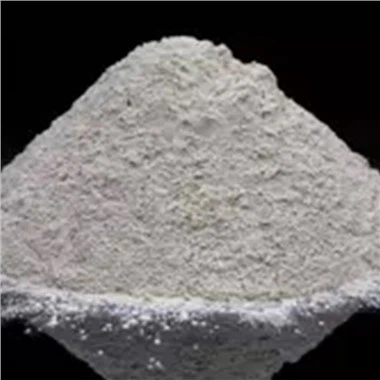
As a supplier of Sodium Carboxymethyl, I often encounter questions from customers regarding its biodegradability. This is a crucial topic, especially in today's environmentally - conscious world where the demand for sustainable products is on the rise. In this blog, I'll delve into the scientific aspects of whether Sodium Carboxymethyl is biodegradable, providing you with a comprehensive understanding of this important property.
What is Sodium Carboxymethyl?
Sodium Carboxymethyl, also known as Carboxymethyl Cellulose Sodium, is a water - soluble cellulose derivative. It is widely used in various industries due to its unique properties. In the food industry, it serves as a thickener, stabilizer, and emulsifier. For instance, Food Grade Granular CMC is a popular product used to improve the texture and stability of food products such as ice cream, yogurt, and sauces. In the pharmaceutical industry, it is used as a binder in tablets and as a suspending agent in liquid medications. Additionally, it finds applications in the textile, paper, and oil drilling industries.
The Concept of Biodegradability
Before discussing whether Sodium Carboxymethyl is biodegradable, it's essential to understand what biodegradability means. Biodegradability refers to the ability of a substance to be broken down by living organisms, primarily microorganisms such as bacteria and fungi, into simpler substances like water, carbon dioxide, and biomass. The process of biodegradation occurs naturally in the environment and is an important part of the carbon cycle.
Factors Affecting the Biodegradability of Sodium Carboxymethyl
Chemical Structure
The chemical structure of Sodium Carboxymethyl plays a significant role in its biodegradability. It is a derivative of cellulose, which is a natural polymer composed of glucose units linked by β - 1,4 - glycosidic bonds. Cellulose is highly biodegradable as many microorganisms possess enzymes, such as cellulases, that can break these bonds. However, the carboxymethylation process modifies the cellulose structure by introducing carboxymethyl groups. These groups can affect the accessibility of the glycosidic bonds to microbial enzymes.


In general, the degree of substitution (DS) of the carboxymethyl groups is a critical factor. The DS refers to the average number of carboxymethyl groups per glucose unit. A lower DS means that the structure is more similar to natural cellulose, and thus, it is more likely to be biodegradable. As the DS increases, the biodegradability may decrease because the carboxymethyl groups can sterically hinder the action of microbial enzymes.
Environmental Conditions
Environmental conditions also have a profound impact on the biodegradability of Sodium Carboxymethyl. Temperature, pH, and the availability of oxygen are key factors. Microorganisms are most active within a certain temperature range, typically between 20 - 40°C. Outside this range, their metabolic activity slows down, and the rate of biodegradation decreases.
The pH of the environment affects the activity of microbial enzymes. Most microorganisms prefer a neutral to slightly acidic pH. Extreme pH values can denature the enzymes and inhibit biodegradation. Oxygen is also crucial for aerobic biodegradation. In an aerobic environment, microorganisms can use oxygen as an electron acceptor during the degradation process. In anaerobic environments, such as deep - sea sediments or landfills, the biodegradation process is slower and may produce different end - products, such as methane.
Presence of Other Substances
The presence of other substances in the environment can either enhance or inhibit the biodegradation of Sodium Carboxymethyl. Some substances may serve as nutrients for microorganisms, promoting their growth and increasing the rate of biodegradation. For example, the presence of nitrogen and phosphorus sources can stimulate microbial activity. On the other hand, toxic substances such as heavy metals or certain chemicals can inhibit the growth and activity of microorganisms, reducing the biodegradation rate.
Scientific Studies on the Biodegradability of Sodium Carboxymethyl
Numerous scientific studies have been conducted to investigate the biodegradability of Sodium Carboxymethyl. Many of these studies have shown that under appropriate environmental conditions, Sodium Carboxymethyl is biodegradable.
In aerobic conditions, bacteria such as Pseudomonas and Bacillus species have been found to be capable of degrading Sodium Carboxymethyl. These bacteria produce enzymes that can break the glycosidic bonds in the cellulose backbone and metabolize the carboxymethyl groups. Some studies have reported that the biodegradation rate can reach up to 80 - 90% within a few weeks to a few months, depending on the DS and environmental conditions.
In anaerobic conditions, the biodegradation process is more complex and slower. However, some anaerobic bacteria have been identified that can degrade Sodium Carboxymethyl. The end - products of anaerobic biodegradation include methane, which is a potent greenhouse gas.
Evidence of Biodegradability in Real - World Applications
In real - world applications, the biodegradability of Sodium Carboxymethyl has been observed. For example, in wastewater treatment plants, Sodium Carboxymethyl can be effectively removed by the action of microorganisms. The activated sludge process, which is commonly used in wastewater treatment, contains a diverse community of microorganisms that can degrade organic substances, including Sodium Carboxymethyl.
In soil environments, Sodium Carboxymethyl can also be degraded over time. When used as a soil conditioner or in agricultural applications, it can contribute to the soil organic matter pool as it is broken down by soil microorganisms.
Implications for the Environment and Sustainability
The biodegradability of Sodium Carboxymethyl has important implications for the environment and sustainability. As a biodegradable substance, it can reduce the environmental impact compared to non - biodegradable alternatives. When released into the environment, it will not accumulate over time and cause long - term pollution.
In the food industry, the use of biodegradable additives like Carboxymethyl Cellulose Sodium is in line with the growing consumer demand for sustainable and eco - friendly products. It also helps food manufacturers meet environmental regulations and reduce their carbon footprint.
Conclusion
In conclusion, Sodium Carboxymethyl is biodegradable, but its biodegradability is influenced by several factors, including its chemical structure, environmental conditions, and the presence of other substances. Under favorable conditions, it can be effectively broken down by microorganisms into simpler substances.
As a supplier of Sodium Carboxymethyl, I am committed to providing high - quality products that not only meet the functional requirements of our customers but also have a minimal environmental impact. If you are interested in purchasing Sodium Carboxymethyl for your specific application, I encourage you to contact me for more information and to discuss your procurement needs. We can work together to find the best solution for your business while also contributing to a more sustainable future.
References
- "Biodegradation of Carboxymethyl Cellulose by Soil Microorganisms" - Journal of Environmental Science and Health
- "The Effect of Degree of Substitution on the Biodegradability of Carboxymethyl Cellulose" - International Journal of Biodegradation and Bioremediation
- "Environmental Fate of Carboxymethyl Cellulose in Wastewater Treatment Plants" - Water Research