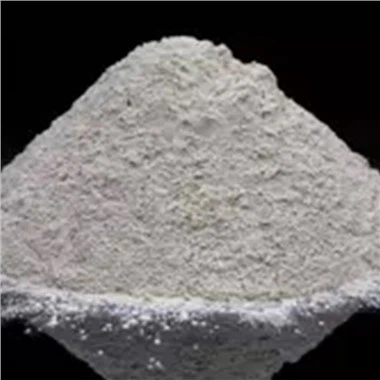
Is food sucralose powder suitable for people with digestive disorders?
As a supplier of Food Sucralose Powder, I often receive inquiries from customers who are concerned about the suitability of our product for individuals with digestive disorders. In this blog post, I will delve into the scientific aspects of sucralose and its potential impact on people with digestive issues.
Sucralose is a high - intensity artificial sweetener that is approximately 400 - 800 times sweeter than sucrose (table sugar). It was discovered in 1976 and has since been approved for use in many countries around the world. One of the key advantages of sucralose is its low calorie content, which makes it an attractive alternative for those looking to reduce their sugar intake.
For people with digestive disorders, such as irritable bowel syndrome (IBS), inflammatory bowel disease (IBD), or other gastrointestinal sensitivities, certain foods and ingredients can trigger symptoms like abdominal pain, bloating, diarrhea, or constipation. When considering whether sucralose powder is suitable for this group, we need to look at its physiological effects.
Absorption and Metabolism
Sucralose is not metabolized by the body in the same way as traditional sugars. It passes through the digestive system largely unchanged and is excreted in the feces and urine. This means that it does not contribute calories to the diet and does not raise blood sugar levels. For individuals with diabetes or those trying to manage their blood glucose, this is a significant benefit.
In terms of digestive absorption, studies have shown that only a small fraction (about 11 - 27%) of ingested sucralose is absorbed by the body. The majority of it travels through the gastrointestinal tract without being broken down. This limited absorption suggests that sucralose is less likely to cause the same kind of digestive stress as high - carbohydrate foods that require extensive digestion and absorption processes.
Impact on Gut Microbiota
The gut microbiota plays a crucial role in digestive health. Some sweeteners have been shown to affect the balance of bacteria in the gut, which can lead to digestive problems. However, research on sucralose and its impact on gut microbiota has yielded mixed results.
Some studies have suggested that high doses of sucralose may have a minor effect on the gut microbiota. For example, in animal studies, very large doses of sucralose have been associated with changes in the composition of gut bacteria. But it's important to note that these doses are much higher than the typical amounts consumed by humans.
In human studies, most research has found that normal consumption of sucralose does not have a significant negative impact on the gut microbiota. A review of multiple studies concluded that at normal use levels, sucralose is generally well - tolerated and does not disrupt the gut microbiome in a way that would cause digestive distress.
Clinical Evidence on Digestive Tolerance
Numerous clinical trials have been conducted to assess the safety and digestive tolerance of sucralose. These trials typically involve giving participants sucralose in various forms and dosages and monitoring for any adverse effects.


Overall, the results of these studies indicate that sucralose is generally well - tolerated by most people, including those with digestive disorders. In a large - scale study of individuals with IBS, for example, participants were given sucralose - sweetened beverages, and there were no significant differences in digestive symptoms compared to those who consumed placebo beverages.
However, it's important to recognize that every individual is different. Some people may be more sensitive to sucralose or other sweeteners, and may experience mild digestive symptoms such as gas or bloating. These cases are relatively rare, but they do exist.
Uses of Sucralose in the Diet
Sucralose powder can be used in a variety of ways in the diet. It is commonly used as a sugar substitute in beverages, such as coffee, tea, and soft drinks. It can also be used in baking. For more information on using sucralose in baking, you can visit Sucralose in Baking.
In addition to the powder form, we also offer Food Grade Sucralose Liquid, which is convenient for use in liquid - based recipes. Our Granulated Sucralose is ideal for sprinkling on foods like cereal or fruit.
Considerations for People with Digestive Disorders
If you have a digestive disorder and are considering using sucralose powder, here are some things to keep in mind:
- Start with a small amount: Begin by using a small quantity of sucralose and gradually increase the amount as your body adjusts. This can help you determine if you have any sensitivity to the sweetener.
- Monitor your symptoms: Pay close attention to how your body reacts after consuming sucralose. If you notice any new or worsening digestive symptoms, such as abdominal pain, diarrhea, or bloating, stop using it and consult your healthcare provider.
- Choose high - quality products: As a supplier, we ensure that our Food Sucralose Powder meets the highest quality and safety standards. Using a reliable and pure product can reduce the risk of potential contaminants that could affect your digestive health.
Conclusion
Based on the scientific evidence, food sucralose powder is generally suitable for people with digestive disorders. Its low calorie content, limited absorption, and relatively benign impact on the gut microbiota make it a viable alternative to traditional sugars. However, individual responses can vary, and it's important for people with digestive issues to approach its use with caution.
If you are interested in learning more about our Food Sucralose Powder or are considering purchasing it for your business or personal use, we encourage you to reach out to us for a detailed discussion. We are committed to providing high - quality sucralose products and can offer guidance on how to incorporate them into various applications.
References
- Davidson, M. H., et al. (2009). A 12 - week, randomized, double - blind, placebo - controlled, parallel - group study of the effect of sucralose on glycemic control and safety in patients with type 2 diabetes. Diabetes Care, 32(7), 1296 - 1301.
- Suez, J., et al. (2014). Artificial sweeteners induce glucose intolerance by altering the gut microbiota. Nature, 514(7521), 181 - 186.
- Gibson, P. R., et al. (2010). Fermentable, poorly absorbed, short - chain carbohydrates increase gas production and symptoms in irritable bowel syndrome. Gut, 59(6), 753 - 760.