Hey there! As a supplier of Polyanionic Cellulose PAC LV, I've gotten a lot of questions about how to test the quality of this stuff. So, I thought I'd share some insights on the matter.
Polyanionic Cellulose PAC LV is a super useful additive, especially in the oil - drilling industry. It helps with fluid loss control, viscosity adjustment, and stabilizing the drilling fluid. But just like any other product, you gotta make sure you're getting the good stuff.
Physical Appearance Test
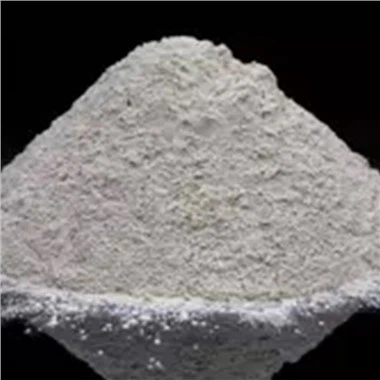
The first step in testing PAC LV is a simple visual inspection. Just take a good look at it. PAC LV usually comes as a white or slightly yellowish powder. If it has a strange color, like a dark brown or black tint, that could be a red flag. Maybe there's some contamination or it's been stored in bad conditions.


You should also check for clumps. A high - quality PAC LV should be a fine, free - flowing powder. If you see a lot of clumps, it might have absorbed moisture during storage or production. Moisture can mess with its performance later on, so that's something you don't want.
Viscosity Test
Viscosity is a big deal when it comes to PAC LV. It determines how well the drilling fluid can carry cuttings out of the wellbore. To test the viscosity, you'll need a viscometer.
First, prepare a sample solution of PAC LV according to the standard concentration. Usually, you dissolve a specific amount of PAC LV in water. The industry standard for concentration can vary, but a common one is around 1% to 2% by weight.
Once you've got your solution, pour it into the viscometer. The viscometer will measure the resistance of the fluid to flow. A good PAC LV should increase the viscosity of the solution to a certain level. If the viscosity is too low, it might not be able to carry the cuttings effectively. On the other hand, if it's too high, it can cause problems like excessive pressure in the wellbore.
You can compare the measured viscosity with the specifications provided by the supplier. If there's a big difference, you might have an issue with the quality of the PAC LV.
Fluid Loss Test
Fluid loss control is another key function of PAC LV. In oil - drilling operations, you don't want the drilling fluid to seep into the formation. This can cause problems like wellbore instability and reduced drilling efficiency.
To test the fluid loss, you'll use a fluid loss tester. Similar to the viscosity test, prepare a sample solution of PAC LV. Then, place the solution in the fluid loss tester and apply a certain pressure. The tester will measure the volume of fluid that passes through a filter over a specific period of time.
A high - quality PAC LV should minimize the fluid loss. If the fluid loss is higher than the specified value, it might mean that the PAC LV isn't working as it should. There could be issues with its molecular structure or the degree of substitution.
Particle Size Analysis
The particle size of PAC LV can also affect its performance. Smaller particles generally dissolve faster and can provide better dispersion in the drilling fluid.
You can use a particle size analyzer to measure the particle size distribution of PAC LV. This machine uses techniques like laser diffraction to determine the size of the particles.
Ideally, the particle size of PAC LV should be within a certain range. If the particles are too large, they might not dissolve completely, which can lead to uneven performance in the drilling fluid.
Degree of Substitution Test
The degree of substitution (DS) refers to the number of hydroxyl groups in the cellulose molecule that have been replaced by anionic groups. A higher DS usually means better performance in terms of fluid loss control and viscosity improvement.
To test the DS, you can use chemical analysis methods. One common method is titration. You'll react the PAC LV sample with a specific reagent and then titrate it with a standard solution. By measuring the amount of the standard solution used, you can calculate the DS.
A good PAC LV should have a DS within the specified range. If the DS is too low, it might not have enough anionic groups to provide effective fluid loss control and viscosity adjustment.
Compatibility Test
PAC LV is often used in combination with other additives in the drilling fluid. So, it's important to test its compatibility with these other substances.
You can prepare a series of mixtures containing PAC LV and other additives like bentonite, polymers, or salts. Observe the mixtures for any signs of precipitation, flocculation, or changes in viscosity.
If there are compatibility issues, it can lead to problems in the drilling fluid system. For example, precipitation can clog the wellbore or damage the drilling equipment.
Storage Stability Test
How well PAC LV holds up during storage is also an important factor. To test the storage stability, you can store samples of PAC LV under different conditions, such as high temperature, high humidity, and normal room conditions.
Periodically check the samples for changes in physical appearance, viscosity, and fluid loss properties. If the PAC LV degrades quickly under storage, it might not be suitable for long - term use in the field.
Comparing with Other Grades
It's also a good idea to compare the PAC LV you're testing with other grades of polyanionic cellulose, like Polyanionic Cellulose PAC DHV, Polyanionic Cellulose PAC DLV, and Polyanionic Cellulose PAC HV.
Each grade has its own characteristics and performance levels. By comparing, you can better understand the quality and performance range of PAC LV.
Conclusion
Testing the quality of Polyanionic Cellulose PAC LV is crucial to ensure its performance in oil - drilling operations. By conducting these various tests, you can identify any potential issues with the product and make an informed decision.
If you're in the market for high - quality PAC LV, don't hesitate to reach out for more information. We're here to help you find the best product for your needs. Whether you have questions about the testing process or want to discuss a potential purchase, just drop us a line. Let's start a conversation and see how we can work together to meet your requirements.
References
- API Recommended Practice 13B - 1, “Standard Procedure for Field Testing Water - Based Drilling Fluids”.
- ASTM D445 - 19 Standard Test Method for Kinematic Viscosity of Transparent and Opaque Liquids (and Calculation of Dynamic Viscosity).