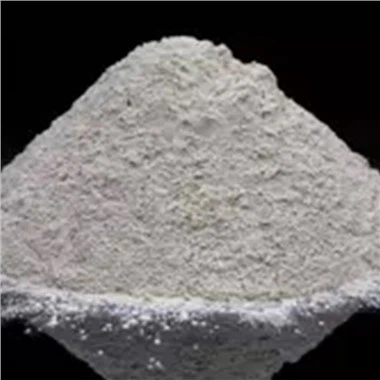
As a supplier of Polyanionic Cellulose PAC DLV, I understand that evaluating the cost - effectiveness of using this product is crucial for our customers. In this blog, I will delve into various aspects to help you make an informed decision about whether Polyanionic Cellulose PAC DLV is the right choice for your operations.
Understanding Polyanionic Cellulose PAC DLV
Polyanionic Cellulose PAC DLV is a type of modified cellulose polymer. It is widely used in the oil and gas industry, especially in drilling fluids. Its unique chemical structure gives it excellent properties such as good viscosity - building ability, fluid loss control, and thermal stability.
Compared to other types of polyanionic cellulose, like Polyanionic Cellulose PAC HV and Polyanionic Cellulose PAC DHV, PAC DLV has a relatively lower viscosity at the same concentration. This characteristic makes it suitable for applications where a lower - viscosity drilling fluid is required, such as in some shallow - well drilling operations or in situations where high - speed circulation of the drilling fluid is needed.
Factors Affecting Cost - Effectiveness
1. Performance in Drilling Fluids
The primary function of PAC DLV in drilling fluids is to control fluid loss and maintain the rheological properties of the fluid. A well - formulated drilling fluid with PAC DLV can prevent the invasion of drilling fluid into the formation, which helps to maintain wellbore stability. This reduces the risk of wellbore collapse, stuck pipe, and other drilling problems.
For example, in a drilling project in a sandstone formation, the use of PAC DLV in the drilling fluid can effectively reduce the filtration rate. This means less fluid is lost into the formation, and the drilling fluid can maintain its proper density and viscosity. As a result, the overall drilling efficiency is improved, and the cost associated with fluid replacement and wellbore repair is reduced.
2. Dosage Requirements
The amount of PAC DLV needed in a drilling fluid system is an important factor in cost - effectiveness. Generally, the dosage of PAC DLV depends on the specific requirements of the drilling operation, such as the type of formation, well depth, and drilling fluid properties.
Compared to some other additives, PAC DLV can achieve the desired performance at a relatively low dosage. This is because of its high - efficiency in fluid loss control and viscosity - building. For instance, in a typical drilling fluid formulation, adding just a few pounds per barrel of PAC DLV can significantly improve the fluid's performance. This low - dosage requirement means that less product is needed, which directly reduces the material cost.
3. Compatibility with Other Additives
PAC DLV is highly compatible with a wide range of other drilling fluid additives, such as bentonite, barite, and various polymers. This compatibility allows for the formulation of complex drilling fluid systems that can meet the specific needs of different drilling environments.
When formulating a drilling fluid, the ability to use multiple additives together without causing chemical reactions or performance degradation is crucial. For example, when PAC DLV is used in combination with bentonite, it can enhance the suspension properties of the bentonite, making the drilling fluid more stable. This synergy between PAC DLV and other additives can improve the overall performance of the drilling fluid system, and at the same time, reduce the cost of using multiple single - function additives.
4. Environmental Considerations
In today's drilling industry, environmental regulations are becoming increasingly strict. PAC DLV is an environmentally friendly additive. It is biodegradable and non - toxic, which means it has less impact on the environment compared to some traditional drilling fluid additives.
Using an environmentally friendly product like PAC DLV can help drilling companies avoid potential environmental fines and meet the requirements of environmental permits. Moreover, it can enhance the company's public image, which may lead to more business opportunities in the long run. Although there may not be a direct cost savings in terms of product price, the long - term benefits in terms of environmental compliance and corporate reputation can contribute to overall cost - effectiveness.
Cost - Benefit Analysis
1. Initial Investment
The initial cost of purchasing PAC DLV is an obvious consideration. However, it is important to look beyond the purchase price. As mentioned earlier, the low - dosage requirement and high performance of PAC DLV can offset the initial investment.
For example, if a drilling company is comparing two different fluid loss control additives, one being PAC DLV and the other a less - efficient additive. The other additive may have a lower purchase price per unit, but it requires a much higher dosage to achieve the same level of performance. In this case, the total cost of using the less - efficient additive may be higher in the long run.
2. Operational Cost Savings
The use of PAC DLV can lead to significant operational cost savings. By improving drilling efficiency, reducing fluid loss, and preventing wellbore problems, the overall drilling time is reduced. This means less time spent on the wellsite, which translates into lower labor costs, equipment rental costs, and fuel costs.
In addition, the reduced need for fluid replacement and wellbore repair also saves money. For example, in a deep - well drilling project, the cost of wellbore repair due to instability can be extremely high. By using PAC DLV to maintain wellbore stability, these potential costs can be avoided.
3. Long - Term Benefits
In the long term, the use of PAC DLV can contribute to the sustainability and profitability of a drilling operation. The environmental friendliness of PAC DLV can help a company comply with regulations and gain a competitive edge in the market.
Moreover, the reliable performance of PAC DLV can build trust between the supplier and the customer. This can lead to long - term partnerships, which may result in better pricing and service from the supplier.
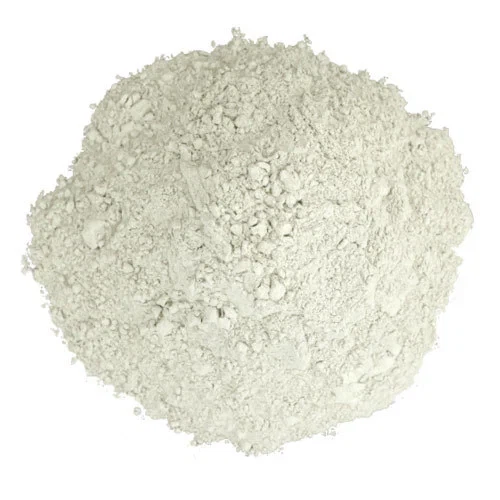

Evaluating Cost - Effectiveness in Practice
1. Case Studies
Let's take a look at a real - world case study. A drilling company was working on a project in a shale formation. They initially used a traditional fluid loss control additive, but they faced problems such as high fluid loss and wellbore instability. After switching to PAC DLV, the fluid loss was significantly reduced, and the wellbore stability was improved.
The drilling time was reduced by 15%, and the cost of fluid replacement was cut by 20%. Based on these results, the company calculated that the overall cost of the drilling project was reduced by approximately 12% compared to using the previous additive.
2. Comparison with Competitors
When evaluating the cost - effectiveness of PAC DLV, it is also important to compare it with competing products in the market. You can conduct side - by - side tests in a laboratory or in a small - scale field trial.
Compare the performance, dosage requirements, and cost of PAC DLV with other similar products. Look at factors such as fluid loss control efficiency, viscosity - building ability, and environmental impact. Based on these comparisons, you can make a more objective decision about which product offers the best cost - effectiveness for your specific needs.
Conclusion
In conclusion, evaluating the cost - effectiveness of using Polyanionic Cellulose PAC DLV involves considering multiple factors, including its performance in drilling fluids, dosage requirements, compatibility with other additives, environmental impact, and long - term benefits.
As a supplier, we are committed to providing high - quality PAC DLV products and technical support to help you make the most cost - effective decision. If you are interested in learning more about our Polyanionic Cellulose PAC DLV or would like to discuss your specific needs, we invite you to contact us for further information and to start a procurement negotiation. We believe that our PAC DLV can bring significant value to your drilling operations.
References
- "Drilling Fluid Technology Handbook" by William C. Himes.
- "Petroleum Engineering Handbook" by Society of Petroleum Engineers.
- Technical reports on polyanionic cellulose applications in the oil and gas industry.