Hey there! As a supplier of Carboxymethyl Cellulose (CMC) Gel, I've been getting a bunch of questions lately about how to disperse it evenly in a liquid. It's a common issue, but don't worry, I've got some tips and tricks that'll make the process a breeze.
First off, let's talk about why it's important to disperse CMC Gel evenly. CMC Gel is a versatile ingredient used in a wide range of industries, from detergents to skincare and cosmetics. Carboxymethyl Cellulose in Detergent helps with things like thickening, stabilizing, and emulsifying. In Carboxymethyl Cellulose in Skin Care and Carboxymethyl Cellulose in Cosmetics, it can improve the texture and consistency of products. But if it's not dispersed properly, you might end up with clumps or an uneven product, which can affect its performance and quality.
Understanding CMC Gel
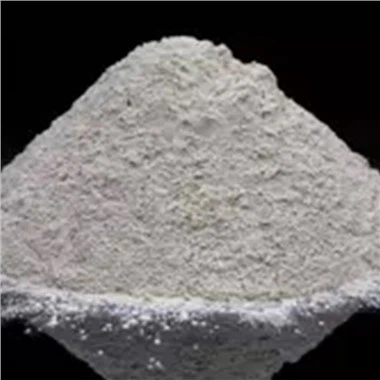
Before we dive into the dispersion process, let's take a quick look at what CMC Gel is. CMC is a cellulose derivative that's made by chemically modifying cellulose, which is found in plants. It's a white or off - white powder that forms a gel when mixed with water. The gel has unique properties like high viscosity, good water - holding capacity, and excellent stability under different conditions.
Factors Affecting Dispersion
There are a few factors that can affect how well CMC Gel disperses in a liquid.
1. Temperature: Generally, warmer liquids allow for better dispersion. The heat helps to break down the CMC particles and allows them to mix more easily with the liquid. However, you need to be careful not to use temperatures that are too high, as this can damage the CMC Gel and affect its properties.
2. Agitation: How you stir or mix the liquid also matters. Using the right type of agitation can ensure that the CMC Gel is evenly distributed. High - shear mixing is often recommended, as it can break up clumps and promote better dispersion.
3. Concentration: The amount of CMC Gel you're trying to disperse in the liquid is important. If you add too much at once, it can be difficult to disperse evenly. It's usually better to add it gradually.
Dispersion Methods
Pre - Hydration Method
This is one of the most common methods. First, you make a pre - gel by mixing a small amount of CMC Gel with a small amount of water. You can use a high - speed mixer to ensure that the CMC Gel is well - dispersed in this small amount of water. Once you have a smooth pre - gel, you can slowly add it to the main liquid while stirring continuously. This method helps to prevent clumping because the CMC Gel is already partially hydrated and easier to mix into the larger volume of liquid.
Dry - Mixing Method
In this method, you mix the CMC Gel powder directly with the dry ingredients of your formulation before adding any liquid. This can be useful if you're working with a powder - based product. Once the CMC Gel is evenly mixed with the dry ingredients, you can add the liquid slowly while stirring. The key here is to make sure that the CMC Gel is well - distributed among the dry ingredients so that it can disperse evenly when the liquid is added.
Continuous Addition Method
This method involves adding the CMC Gel powder slowly to the liquid while the liquid is being stirred continuously. You can use a powder feeder or a sieve to add the powder in a controlled manner. This helps to prevent the formation of clumps, as the powder is dispersed as soon as it comes into contact with the liquid.
Troubleshooting
Even if you follow the right methods, you might still run into some issues.


Clumping: If you notice clumps forming, it could be because you added the CMC Gel too quickly or didn't stir it well enough. You can try using a high - shear mixer to break up the clumps. Sometimes, you might need to heat the liquid slightly to help dissolve the clumps.
Uneven Viscosity: If the viscosity of your product is uneven, it could mean that the CMC Gel isn't dispersed evenly. You can try mixing the product for a longer time or using a different mixing method. It might also be helpful to check the temperature of the liquid and make sure it's within the right range.
Quality Control
Once you've dispersed the CMC Gel in the liquid, it's important to do some quality control checks. You can visually inspect the product to make sure there are no clumps. You can also measure the viscosity of the product using a viscometer. If the viscosity is within the expected range, it's a good sign that the CMC Gel has been dispersed evenly.
Conclusion
Dispersing Carboxymethyl Cellulose Gel evenly in a liquid isn't as hard as it might seem. By understanding the factors that affect dispersion, using the right methods, and doing some troubleshooting and quality control, you can ensure that your product has the right consistency and performance.
If you're interested in purchasing high - quality Carboxymethyl Cellulose Gel for your products, feel free to reach out. We have a wide range of CMC Gel products that can meet your specific needs. Whether you're in the detergent, skincare, or cosmetics industry, we've got you covered.
References
- Davidson, R. L., & Sittig, M. (1968). Water - Soluble Resins. Reinhold Publishing Corporation.
- Whistler, R. L., & BeMiller, J. N. (Eds.). (1993). Industrial Gums: Polysaccharides and Their Derivatives. Academic Press.