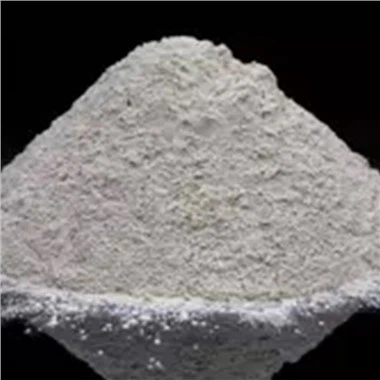
As a supplier of Granular Polyanionic Cellulose (GPAC), I've witnessed firsthand the remarkable impact this versatile polymer can have on the processing properties of rubber. In this blog post, I'll delve into the science behind GPAC and explain how it enhances rubber processing, ultimately leading to improved product quality and performance.


Understanding Granular Polyanionic Cellulose
Polyanionic Cellulose is a water-soluble polymer derived from cellulose, a natural polymer found in plants. Through a series of chemical modifications, cellulose is transformed into a polyanionic form, which imparts unique properties to the polymer. Granular Polyanionic Cellulose is a specific form of PAC that is produced in a granular shape, making it easier to handle and disperse in various applications.
One of the key features of GPAC is its ability to form a viscous solution when dissolved in water. This viscosity is crucial for many applications, including rubber processing. When added to rubber compounds, GPAC acts as a thickener, binder, and stabilizer, improving the overall processing properties of the rubber.
Improving Mixing and Dispersion
One of the primary challenges in rubber processing is achieving uniform mixing and dispersion of additives and fillers within the rubber matrix. Incomplete mixing can lead to uneven distribution of properties, resulting in poor product performance and quality. Granular Polyanionic Cellulose helps overcome this challenge by improving the flow and dispersion of rubber compounds.
When GPAC is added to a rubber compound, it forms a gel-like network that helps to hold the additives and fillers in suspension. This network prevents the particles from agglomerating and settling, ensuring a more uniform distribution throughout the rubber matrix. As a result, the rubber compound becomes more homogeneous, leading to improved mechanical properties and reduced variability in product quality.
In addition to improving dispersion, GPAC also enhances the flow properties of rubber compounds. The viscous solution formed by GPAC reduces the friction between the rubber molecules and the processing equipment, allowing the compound to flow more easily through the mixing and extrusion processes. This improved flowability not only reduces processing time and energy consumption but also enables the production of more complex rubber products with precise dimensions.
Enhancing Reinforcement and Mechanical Properties
Another significant benefit of using Granular Polyanionic Cellulose in rubber processing is its ability to enhance the reinforcement and mechanical properties of the rubber. GPAC can act as a reinforcing agent by forming a physical network within the rubber matrix, which helps to distribute stress and improve the overall strength and stiffness of the rubber.
When GPAC is added to a rubber compound, it interacts with the rubber molecules through hydrogen bonding and other intermolecular forces. This interaction creates a cross-linked structure that enhances the mechanical properties of the rubber, such as tensile strength, tear resistance, and abrasion resistance. The presence of GPAC also helps to reduce the brittleness of the rubber, making it more flexible and durable.
Furthermore, GPAC can improve the adhesion between the rubber and other materials, such as fibers or metals. This enhanced adhesion is particularly important in applications where the rubber needs to be bonded to other components, such as in tires, belts, and hoses. By improving the adhesion, GPAC helps to ensure a strong and reliable bond, which enhances the overall performance and longevity of the rubber product.
Controlling Viscosity and Rheology
Viscosity and rheology are critical parameters in rubber processing, as they determine the flow behavior and processability of the rubber compound. Granular Polyanionic Cellulose can be used to control the viscosity and rheology of rubber compounds, allowing for precise adjustment of the processing conditions.
The viscosity of a rubber compound can be adjusted by varying the concentration of GPAC. Higher concentrations of GPAC will result in a more viscous compound, while lower concentrations will produce a less viscous compound. This ability to control viscosity is particularly useful in applications where different flow properties are required, such as in injection molding or extrusion.
In addition to viscosity control, GPAC can also affect the rheological properties of rubber compounds, such as shear thinning and thixotropy. Shear thinning is the phenomenon where the viscosity of a fluid decreases with increasing shear rate, while thixotropy is the ability of a fluid to become less viscous over time under constant shear. By adjusting the rheological properties of the rubber compound, GPAC can improve the flow and moldability of the rubber, resulting in better product quality and reduced processing defects.
Improving Aging and Weather Resistance
Rubber products are often exposed to harsh environmental conditions, such as heat, sunlight, and moisture, which can cause them to degrade over time. Granular Polyanionic Cellulose can help to improve the aging and weather resistance of rubber products by providing a protective barrier against these environmental factors.
GPAC forms a thin film on the surface of the rubber, which acts as a barrier to prevent the penetration of oxygen, moisture, and other harmful substances. This protective film helps to slow down the aging process and reduce the degradation of the rubber, resulting in improved durability and longevity of the rubber product.
In addition to providing a physical barrier, GPAC can also act as an antioxidant and UV stabilizer. Antioxidants help to prevent the oxidation of the rubber, which can lead to the formation of free radicals and the degradation of the rubber molecules. UV stabilizers, on the other hand, protect the rubber from the harmful effects of sunlight, such as discoloration and embrittlement. By incorporating GPAC into rubber compounds, manufacturers can improve the aging and weather resistance of their products, making them more suitable for outdoor and high-temperature applications.
Conclusion
In conclusion, Granular Polyanionic Cellulose is a versatile and effective additive that can significantly improve the processing properties of rubber. By enhancing mixing and dispersion, improving reinforcement and mechanical properties, controlling viscosity and rheology, and improving aging and weather resistance, GPAC helps to produce high-quality rubber products with superior performance and durability.
As a supplier of Granular Polyanionic Cellulose, I'm committed to providing our customers with the highest quality products and technical support. If you're interested in learning more about how GPAC can improve the processing properties of your rubber products, or if you have any questions or concerns, please don't hesitate to [contact us for a procurement discussion]. We'll be happy to assist you in finding the right solution for your specific needs.
References
- [List relevant academic papers, industry reports, or other sources here]
- [Another source]
- [Etc.]