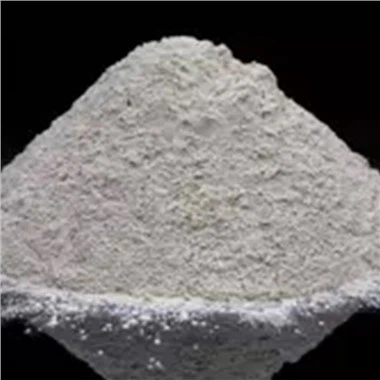
Hey there! I'm a supplier of Polyanionic Cellulose PAC DHV, and today I wanna chat about how to store this stuff properly. It's super important because storing it right can keep its quality intact and make sure it performs well when you use it.
First off, let's understand what Polyanionic Cellulose PAC DHV is. It's a key additive in various industries, especially in oil drilling. It helps to control the viscosity and fluid loss of drilling fluids, which is crucial for the efficiency and safety of the drilling process. You can learn more about it on this page: Polyanionic Cellulose PAC DHV.
Now, onto the storage part. The most basic thing is to keep it in a dry place. Moisture is the enemy of PAC DHV. When it gets wet, the powder can clump together, and its performance will be seriously affected. Imagine trying to use a clumpy powder in your drilling fluid - it won't disperse evenly, and you won't get the desired viscosity control. So, make sure the storage area has a low humidity level. A humidity sensor can be a great investment to keep an eye on the conditions.
Temperature also plays a big role. PAC DHV should be stored at a stable temperature. Extreme heat or cold can change its chemical properties. High temperatures can speed up chemical reactions that might degrade the product, while very low temperatures can make the powder brittle and hard to handle. A room - temperature storage environment, around 20 - 25 degrees Celsius, is ideal.
When it comes to the container, use air - tight ones. This helps to keep out moisture and contaminants. If you're using big industrial bags, make sure they're sealed properly. And if you're transferring the PAC DHV to smaller containers for use, make sure those are also air - tight.
Another thing to consider is the location of the storage. Keep it away from direct sunlight. Sunlight can cause photo - degradation of the product over time. It might not happen overnight, but in the long run, it can reduce the effectiveness of the PAC DHV.
It's also a good idea to store PAC DHV away from strong chemicals. Some chemicals can react with it and change its properties. For example, strong acids or bases can break down the cellulose chains in PAC DHV. So, if you have a chemical storage area, make sure to separate the PAC DHV from these reactive substances.
Now, let's talk about some specific storage tips for different scenarios. If you're storing it in a warehouse, make sure the shelves are clean and dry. Elevate the pallets that hold the PAC DHV bags off the floor. This helps to prevent any moisture that might seep through the floor from reaching the product.
If you're on a drilling site, where space and conditions might be more limited, try to find a covered area. You can use tarps to protect the PAC DHV from rain and direct sunlight. And if possible, use small, sealed containers that are easy to transport and keep the product safe.
You might also be interested in other types of polyanionic cellulose, like Polyanionic Cellulose PAC DLV and Polyanionic Cellulose PAC LV. Each type has its own properties and uses, but the general storage principles are similar.
In addition to proper storage, it's important to have a good inventory management system. Keep track of the expiration dates of your PAC DHV. Although it has a relatively long shelf - life if stored correctly, it's still a good practice to use the oldest stock first. This way, you can avoid having expired or degraded product sitting in your storage.
Regularly inspect the stored PAC DHV. Check for any signs of clumping, discoloration, or strange odors. If you notice any of these, it might be a sign that the product has been affected by storage conditions, and you should test it before using it.
If you're planning to store PAC DHV for a long time, consider doing some periodic quality checks. You can take small samples and test them for viscosity and fluid - loss control in a laboratory. This gives you an idea of how well the product is holding up over time.


In conclusion, proper storage of Polyanionic Cellulose PAC DHV is essential for maintaining its quality and performance. By following these tips, you can ensure that your PAC DHV is in top - notch condition when you need it. Whether you're in the oil - drilling industry or any other field that uses PAC DHV, these storage practices will save you time and money in the long run.
If you're interested in purchasing PAC DHV or have any questions about its storage or use, feel free to reach out. We're here to help you get the best out of this amazing product.
References:
- Industry standards and guidelines for polyanionic cellulose storage
- Manufacturer's recommendations for Polyanionic Cellulose PAC DHV