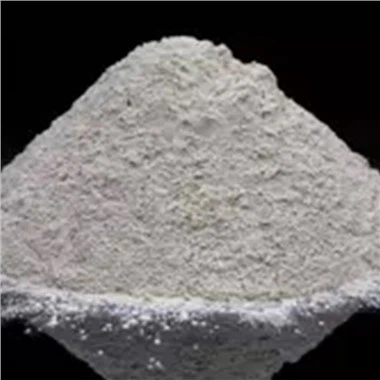
Determining the appropriate amount of Polyanionic Cellulose (PAC) LV to add to drilling fluids is a critical aspect of successful oil and gas well - drilling operations. As a trusted supplier of Polyanionic Cellulose PAC LV, I understand the importance of this decision and its impact on the overall efficiency and performance of the drilling process.
The Role of Polyanionic Cellulose PAC LV in Drilling Fluids
Before delving into the addition amount, it's essential to understand the functions of PAC LV in drilling fluids. PAC LV is a cellulose derivative that offers several key benefits. Firstly, it acts as a viscosifier. By increasing the viscosity of the drilling fluid, it helps in suspending cuttings during the drilling process. Cuttings are the rock fragments generated when the drill bit penetrates the subsurface formations. If these cuttings are not properly suspended, they can settle at the bottom of the wellbore, causing blockages and increasing the wear on the drill bit and other equipment.
Secondly, PAC LV serves as a fluid - loss control agent. During drilling, the drilling fluid is in contact with the porous rock formations. Without proper fluid - loss control, the liquid phase of the drilling fluid can seep into the formation, leading to various problems such as wellbore instability, reduced drilling efficiency, and increased costs. PAC LV forms a thin, impermeable filter cake on the wellbore wall, which helps to minimize the loss of the drilling fluid into the formation.
Factors Affecting the Addition Amount of PAC LV
Several factors influence the amount of PAC LV that should be added to drilling fluids.
Formation Characteristics
The porosity and permeability of the subsurface formations are crucial factors. In highly porous and permeable formations, more PAC LV is required to control fluid loss. For example, in sandstone formations with high porosity, the drilling fluid is more likely to penetrate the formation. To prevent excessive fluid loss, a higher concentration of PAC LV may be needed to form an effective filter cake. On the other hand, in less permeable formations such as shale, less PAC LV may be sufficient as the natural low permeability of the shale already restricts the fluid flow into the formation.
Drilling Depth
As the drilling depth increases, the pressure and temperature conditions change. At greater depths, the temperature can rise significantly, and the pressure also increases. High - temperature and high - pressure (HTHP) conditions can affect the performance of PAC LV. In HTHP environments, PAC LV may experience thermal degradation, which reduces its effectiveness as a viscosifier and fluid - loss control agent. Therefore, at greater depths, a higher concentration of PAC LV may be required to maintain the desired properties of the drilling fluid.
Drilling Fluid Type
The type of drilling fluid also plays a role. There are water - based, oil - based, and synthetic - based drilling fluids. PAC LV is commonly used in water - based drilling fluids. The composition of the water - based drilling fluid, including the presence of other additives such as bentonite, salts, and polymers, can interact with PAC LV. For instance, if the drilling fluid already contains a high concentration of salts, the solubility and performance of PAC LV may be affected. In such cases, the addition amount of PAC LV needs to be adjusted accordingly.
General Guidelines for PAC LV Addition
Although the exact amount of PAC LV addition depends on the specific conditions of each drilling operation, some general guidelines can be provided.
For normal drilling operations in relatively shallow wells (less than 1000 meters) with average formation characteristics, an initial addition of 0.5 - 1.5 pounds per barrel (ppb) of PAC LV can be a starting point. This amount can help to achieve basic viscosification and fluid - loss control.
In medium - depth wells (1000 - 3000 meters), especially in formations with moderate porosity and permeability, the addition amount may range from 1.5 - 3 ppb. At this depth, the temperature and pressure are starting to have a more significant impact, and a higher concentration of PAC LV is needed to maintain the performance of the drilling fluid.
For deep wells (over 3000 meters) or in highly porous and permeable formations, the addition amount can be increased to 3 - 5 ppb or even higher in some extreme cases. However, it's important to note that adding too much PAC LV can also have negative effects. Excessive PAC LV can increase the viscosity of the drilling fluid to an undesirable level, which may lead to difficulties in pumping the fluid and can also increase the torque and drag on the drill string.
Comparison with Other Polyanionic Cellulose Grades
It's also worth comparing PAC LV with other grades of polyanionic cellulose, such as Polyanionic Cellulose PAC DLV and Polyanionic Cellulose PAC DHV. PAC DLV has a lower viscosity - building capacity compared to PAC LV. It is often used when a more subtle increase in viscosity is required, or in situations where the drilling fluid needs to have a relatively low initial viscosity.
On the other hand, PAC DHV has a higher viscosity - building capacity. It is suitable for applications where a very high - viscosity drilling fluid is needed, such as in large - diameter wellbores or when dealing with heavy cuttings. However, PAC DHV may be more expensive than PAC LV, and in some cases, using PAC LV in combination with other additives may be a more cost - effective solution.
Testing and Optimization
To accurately determine the optimal amount of PAC LV for a specific drilling operation, laboratory testing is essential. Samples of the drilling fluid can be prepared with different concentrations of PAC LV and tested under simulated downhole conditions. These tests can include measuring the viscosity, fluid - loss rate, and filter - cake properties of the drilling fluid.
Based on the test results, the addition amount of PAC LV can be optimized. It may also be necessary to conduct field trials, especially when drilling in a new area or with a new type of formation. During field trials, the performance of the drilling fluid with different PAC LV concentrations can be closely monitored, and adjustments can be made in real - time.
Conclusion
Determining the right amount of Polyanionic Cellulose PAC LV to add to drilling fluids is a complex but crucial task. It requires a comprehensive understanding of the formation characteristics, drilling conditions, and the properties of PAC LV. By following the general guidelines, comparing with other grades, and conducting thorough testing and optimization, the optimal addition amount can be achieved, leading to improved drilling efficiency, reduced costs, and enhanced wellbore stability.
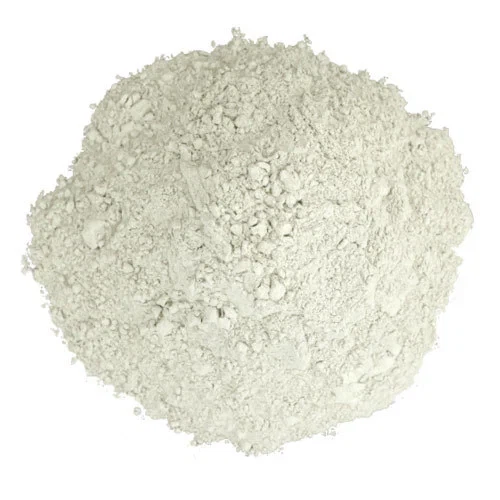

If you are involved in oil and gas drilling operations and are looking for high - quality Polyanionic Cellulose PAC LV, we are here to assist you. Our team of experts can provide personalized advice on the addition amount of PAC LV based on your specific drilling requirements. Contact us to start a procurement discussion and take your drilling operations to the next level.
References
- "Drilling Fluids Technology" by George R. Gray and H. C. H. Darley.
- "Petroleum Engineering Handbook" published by the Society of Petroleum Engineers.
- Technical reports on polyanionic cellulose applications in drilling fluids from industry research institutions.