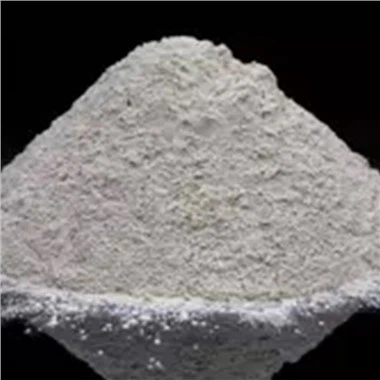
Temperature is a critical factor that can significantly influence the performance of various materials, and Polyanionic Cellulose (PAC) HV is no exception. As a leading supplier of PAC HV, I've witnessed firsthand how temperature variations can affect its properties and applications. In this blog post, I'll delve into the intricate relationship between temperature and the performance of PAC HV, exploring the underlying mechanisms and practical implications.
Understanding Polyanionic Cellulose PAC HV
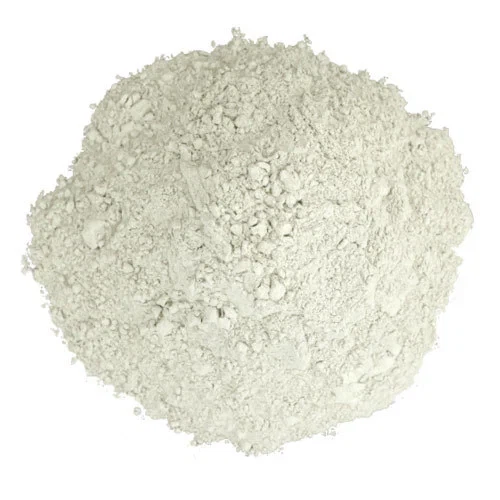
Before we dive into the impact of temperature, let's briefly review what PAC HV is. PAC HV is a water-soluble polymer derived from cellulose. It is widely used in various industries, including oil and gas drilling, food, and pharmaceuticals, due to its excellent thickening, stabilizing, and suspending properties. In the oil and gas industry, PAC HV is commonly used as a viscosifier and fluid loss control agent in drilling fluids.
How Temperature Affects the Viscosity of PAC HV
One of the most significant ways temperature affects PAC HV is through its impact on viscosity. Viscosity is a measure of a fluid's resistance to flow, and it plays a crucial role in many applications of PAC HV, such as drilling fluids.
At lower temperatures, the molecules of PAC HV are more closely packed, and the intermolecular forces are stronger. This results in a higher viscosity of the PAC HV solution. As the temperature increases, the kinetic energy of the molecules also increases, causing them to move more freely and break the intermolecular forces. Consequently, the viscosity of the PAC HV solution decreases.
This temperature - viscosity relationship can be described by the Arrhenius equation in some cases. However, the behavior of PAC HV is more complex due to its polymeric nature. The decrease in viscosity with increasing temperature is not always linear. At a certain temperature range, there may be a more rapid decrease in viscosity, which is known as the transition temperature range.
In oil and gas drilling, the change in viscosity due to temperature can have a significant impact on the performance of drilling fluids. If the temperature of the drilling environment is too high, the viscosity of the PAC HV - based drilling fluid may decrease to a level where it can no longer effectively carry cuttings to the surface. On the other hand, if the temperature is too low, the high viscosity may cause excessive pressure losses in the drilling system.
Influence of Temperature on Fluid Loss Control
Fluid loss control is another important aspect of PAC HV's performance, especially in oil and gas drilling. PAC HV forms a thin, impermeable filter cake on the wellbore wall, which helps to prevent the loss of drilling fluid into the formation.
Temperature can affect the fluid loss control ability of PAC HV in several ways. At higher temperatures, the structure of the PAC HV molecules may be disrupted, leading to a less effective filter cake formation. The increased mobility of the molecules at high temperatures can also cause the filter cake to become more porous, allowing more fluid to pass through.
In addition, high temperatures can accelerate the degradation of PAC HV. The chemical bonds in the PAC HV molecules can break under high - temperature conditions, reducing its molecular weight and thus its ability to form a stable filter cake. This can result in increased fluid loss, which is not only costly but can also cause problems such as wellbore instability.
Conversely, at lower temperatures, the formation of the filter cake may be slower, but the structure of the PAC HV molecules is more stable. This can lead to a more effective filter cake in terms of fluid loss control, but the overall performance may be limited by the high viscosity of the drilling fluid.
Impact on the Suspension Properties
PAC HV is often used to suspend solids in a fluid, such as weighting agents in drilling fluids. Temperature can have a profound effect on its suspension properties.
As mentioned earlier, the viscosity of PAC HV solutions changes with temperature. At lower temperatures, the higher viscosity helps to keep the solid particles suspended in the fluid. The strong intermolecular forces between the PAC HV molecules and the solid particles prevent the particles from settling.

However, at higher temperatures, the decrease in viscosity can lead to a reduction in the suspension ability of PAC HV. The solid particles may start to settle more quickly, which can cause problems such as the formation of a dense layer at the bottom of the wellbore, known as a "barite sag" in the case of weighting agents like barite.
Practical Considerations for Different Temperature Ranges
Low - Temperature Environments
In low - temperature environments, such as arctic drilling or deep - sea operations, the high viscosity of PAC HV can be both an advantage and a challenge. The high viscosity helps with suspension and fluid loss control, but it can also increase the pumping pressure required to circulate the drilling fluid.
To optimize the performance of PAC HV in low - temperature environments, it may be necessary to adjust the concentration of PAC HV in the drilling fluid. A lower concentration can help to reduce the viscosity to a more manageable level while still maintaining adequate suspension and fluid loss control properties.
High - Temperature Environments
In high - temperature environments, such as geothermal drilling or deep - well drilling, the degradation of PAC HV and the decrease in viscosity are major concerns. To address these issues, special formulations of PAC HV may be required.

For example, we offer Polyanionic Cellulose PAC DHV, which is designed to have better thermal stability. This grade of PAC HV can withstand higher temperatures without significant degradation, maintaining its viscosity and fluid loss control properties.
In addition, additives can be used in combination with PAC HV to improve its performance at high temperatures. These additives can help to protect the PAC HV molecules from thermal degradation and enhance the formation of a stable filter cake.
Other Related Grades of Polyanionic Cellulose
In addition to PAC HV, we also supply other grades of polyanionic cellulose, such as Polyanionic Cellulose PAC DLV and Polyanionic Cellulose PAC LV. These grades have different viscosity and performance characteristics, which can be suitable for different applications and temperature ranges.
PAC DLV has a relatively low viscosity and is often used in applications where a lower - viscosity fluid is required. PAC LV also has a lower viscosity compared to PAC HV and is suitable for specific drilling conditions where the fluid needs to have good flow properties.
Conclusion and Call to Action
Temperature has a significant impact on the performance of Polyanionic Cellulose PAC HV, affecting its viscosity, fluid loss control, and suspension properties. Understanding these temperature - related effects is crucial for optimizing the use of PAC HV in various applications, especially in the oil and gas industry.
As a reliable supplier of PAC HV and other related products, we are committed to providing high - quality materials and technical support to our customers. Whether you are facing low - temperature or high - temperature drilling conditions, we have the expertise and products to meet your needs.
If you are interested in learning more about our Polyanionic Cellulose products or have specific requirements for your application, please feel free to contact us for a detailed discussion. We look forward to the opportunity to work with you and help you achieve the best results in your projects.
References
- Smith, J. (2018). "Effect of Temperature on Polymer - Based Drilling Fluids". Journal of Petroleum Science and Engineering, 163, 45 - 52.
- Johnson, A. (2019). "Thermal Degradation of Cellulose - Based Polymers in Drilling Applications". Polymer Degradation and Stability, 162, 109 - 117.
- Brown, C. (2020). "Optimizing the Performance of Drilling Fluids at Different Temperatures". Oil and Gas Journal, 118(3), 67 - 74.