

In the ever - evolving world of food sweeteners, consumers and food manufacturers alike are constantly on the hunt for the perfect alternative to traditional sugar. Two such alternatives that have gained significant attention are food grade sucralose liquid and tagatose. As a supplier of food grade sucralose liquid, I'm here to delve into a detailed comparison of these two sweeteners, exploring their characteristics, benefits, and applications.
Chemical Composition and Origin
Sucralose is a synthetic sweetener that is derived from sugar through a multi - step chemical process. It is made by replacing three hydrogen - oxygen groups on the sugar molecule with chlorine atoms. This alteration not only gives sucralose its intense sweetness (it is about 400 - 800 times sweeter than sucrose) but also makes it non - caloric as the human body does not metabolize it in the same way as regular sugar. Food grade sucralose liquid is a convenient form that is easy to incorporate into various food and beverage products.
Tagatose, on the other hand, is a natural sweetener that occurs in small amounts in some fruits and dairy products. It is a monosaccharide, or simple sugar, and is an isomer of fructose. Tagatose has a sweetness similar to that of sucrose, being about 92% as sweet. It is also low in calories, with only about 1.5 calories per gram compared to 4 calories per gram in sucrose.
Taste Profile
One of the most important factors when considering a sweetener is its taste. Food grade sucralose liquid offers a clean, sweet taste with no aftertaste in most applications. It closely mimics the taste of sugar, which makes it a popular choice for many food and beverage manufacturers. The intense sweetness of sucralose means that only a small amount is needed to achieve the desired level of sweetness, which can be beneficial in reducing costs and calories in products.
Tagatose also has a very similar taste to sucrose, with a clean and sweet flavor. However, some people may detect a slight cooling effect on the tongue when consuming tagatose, especially in high concentrations. This cooling effect can be either a positive or negative attribute depending on the application. For example, it may be desirable in mint - flavored products but less so in other types of foods.
Safety and Health Considerations
Sucralose has been extensively studied for its safety. It has been approved for use in many countries around the world, including the United States, the European Union, and Australia. The U.S. Food and Drug Administration (FDA) has determined that sucralose is safe for human consumption at the approved levels. In fact, sucralose is so safe that it has been deemed suitable for use by people with diabetes. For more information on this, you can visit Sucralose Safe for Diabetics. Since it does not raise blood sugar levels, it can be a great option for those looking to manage their blood glucose.
Tagatose is also considered safe for consumption. It has been granted GRAS (Generally Recognized as Safe) status by the FDA. Tagatose has a low glycemic index, which means it causes a smaller increase in blood sugar levels compared to sucrose. Additionally, it may have some prebiotic effects, promoting the growth of beneficial bacteria in the gut. However, in some individuals, consuming large amounts of tagatose may cause mild gastrointestinal discomfort such as bloating and diarrhea.
Applications in the Food Industry
Food grade sucralose liquid is incredibly versatile in the food industry. It can be used in a wide range of products, including beverages, baked goods, dairy products, and confectionery. In Sucralose in Baking, sucralose can be used to replace a significant portion of sugar, resulting in lower - calorie baked goods without sacrificing taste. It also has excellent heat stability, which means it can withstand the high temperatures of the baking process without losing its sweetness. You can find more about using sucralose in baking at Sucralose For Baking.
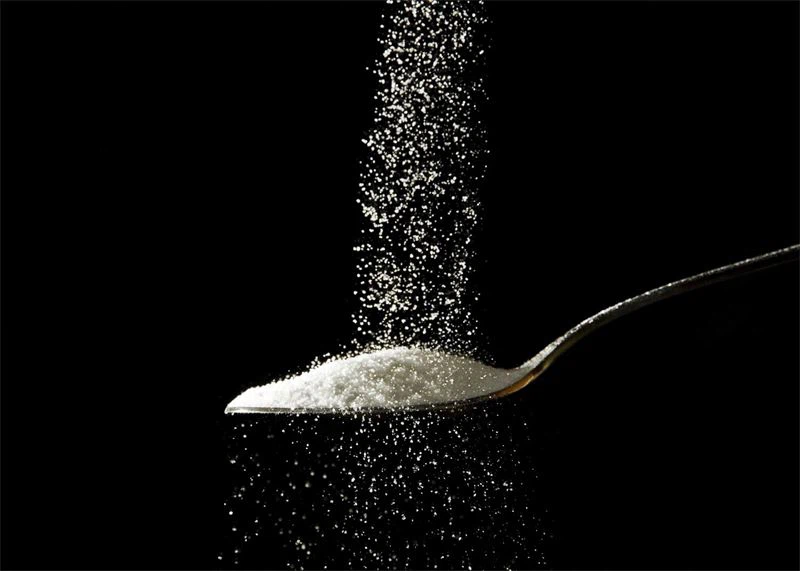
Tagatose is also used in various food and beverage applications. It can be used as a sweetener in soft drinks, yogurt, and other dairy products. Its similar taste to sucrose makes it a good direct replacement in many recipes. However, due to its potential to cause gastrointestinal issues in some people, it may not be as suitable for large - scale use in products where high consumption is expected.
Cost - effectiveness
When it comes to cost - effectiveness, food grade sucralose liquid has an edge. Due to its high sweetness intensity, only a very small amount is needed to achieve the same level of sweetness as sugar or tagatose. This means that manufacturers can use less of the sweetener, resulting in lower costs. Additionally, the long - shelf life of sucralose liquid reduces the need for frequent restocking and storage costs.
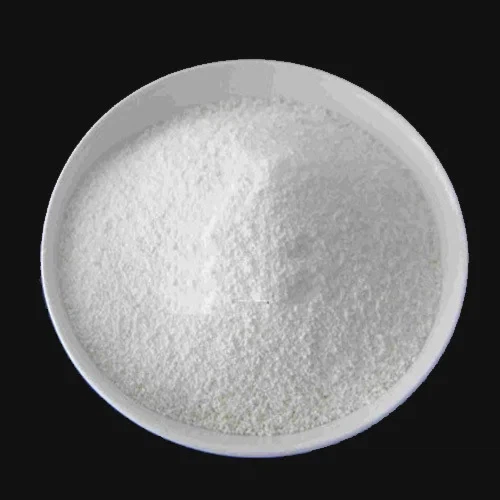
Tagatose, while still a cost - effective option compared to some other natural sweeteners, may require a larger quantity to achieve the same sweetness as sucralose. This can increase the overall cost of production, especially for large - scale food manufacturers.
Environmental Impact
Sucralose production is a highly regulated process, and efforts are being made to minimize its environmental impact. The chemical synthesis of sucralose is optimized to reduce waste and energy consumption. However, as a synthetic sweetener, some environmentalists may have concerns about its long - term effects on the ecosystem.
Tagatose, being a natural sweetener, is often perceived as more environmentally friendly. It can be produced from lactose, a by - product of the dairy industry, which makes use of a waste material. This not only reduces waste but also provides an additional revenue stream for the dairy industry.
In conclusion, both food grade sucralose liquid and tagatose have their own unique advantages and disadvantages. Sucralose offers intense sweetness, excellent safety, and versatility in applications, along with cost - effectiveness. Tagatose, on the other hand, provides a natural option with a similar taste to sugar and potential health benefits.
As a supplier of food grade sucralose liquid, I understand the importance of choosing the right sweetener for your specific needs. Whether you are a food manufacturer looking to reduce calories in your products or a consumer seeking a sugar alternative, our high - quality sucralose liquid can be an excellent choice. If you are interested in learning more about our products or would like to discuss potential procurement, please don't hesitate to reach out. We are here to provide you with the best solutions and support for your sweetening needs.

References
- "Sucralose: A Review of Safety and Functionality" by Food and Chemical Toxicology.
- "Tagatose: A Low - Calorie Sweetener with Health Benefits" by Journal of Nutrition.
- U.S. Food and Drug Administration (FDA) reports on sucralose and tagatose safety.


