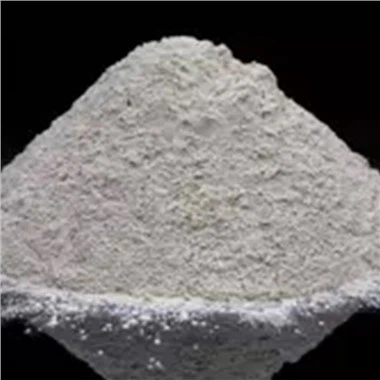
In the realm of water treatment, the pursuit of effective, reliable, and environmentally - friendly solutions is unending. As a supplier of Polyanionic Cellulose PAC DHV, I am thrilled to delve into how this remarkable product functions in water treatment processes.
1. Introduction to Polyanionic Cellulose PAC DHV
Polyanionic Cellulose PAC DHV is a high - viscosity variant of polyanionic cellulose. It is a water - soluble polymer derived from cellulose, a natural and abundant polymer found in plants. Our Polyanionic Cellulose PAC DHV is produced through a series of chemical modifications that introduce anionic groups to the cellulose backbone, endowing it with unique properties suitable for various applications, especially water treatment.
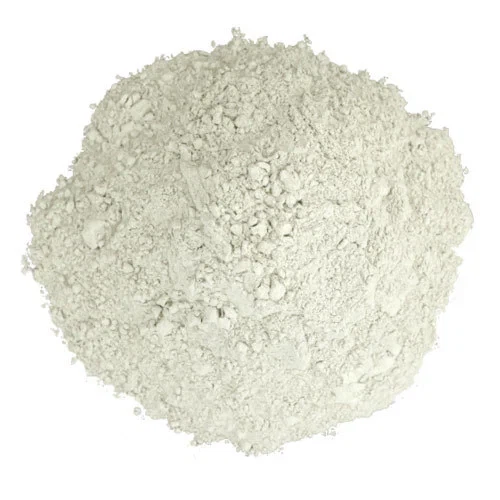

2. Physical and Chemical Properties
2.1 Viscosity
One of the most notable features of PAC DHV is its high viscosity. When dissolved in water, it forms a thick, viscous solution. This high - viscosity characteristic is crucial in water treatment as it helps in the flocculation and sedimentation processes. The thick solution can entrap suspended particles in water, causing them to aggregate and settle more quickly.
2.2 Anionic Nature
The anionic groups on the PAC DHV molecule give it a negative charge. This anionic nature is significant because most of the impurities in water, such as clay particles, metal hydroxides, and organic matter, carry a negative charge as well. Through the principle of charge neutralization and bridging, PAC DHV can interact with these negatively - charged impurities. It can adsorb onto the surface of the particles, neutralize their surface charges, and form bridges between different particles, leading to the formation of larger flocs.
2.3 Solubility
PAC DHV is highly soluble in water, which is essential for its efficient use in water treatment. It can be easily dissolved in water at room temperature, and the dissolution process is relatively fast. This solubility ensures that it can be uniformly distributed in the water being treated, maximizing its contact with the impurities and enhancing its treatment efficiency.
3. Mechanisms of Action in Water Treatment
3.1 Flocculation
Flocculation is a key step in water treatment, and PAC DHV plays a vital role in this process. As mentioned earlier, due to its high viscosity and anionic nature, it can cause the suspended particles in water to come together and form larger flocs. The high - viscosity solution of PAC DHV acts as a physical barrier that traps the particles, while the anionic groups on the molecule attract and bind to the particles through electrostatic interactions.
For example, in a water sample containing fine clay particles, the PAC DHV molecules will adsorb onto the surface of the clay particles. The negative charges on the PAC DHV will neutralize the negative charges on the clay particles, reducing the electrostatic repulsion between them. At the same time, the long - chain structure of PAC DHV can form bridges between different clay particles, causing them to aggregate into larger flocs. These flocs are heavier and settle more rapidly under the influence of gravity, facilitating their removal from the water.
3.2 Sedimentation
After flocculation, the next step is sedimentation. The large flocs formed with the help of PAC DHV settle to the bottom of the water tank or treatment basin. The high - viscosity nature of PAC DHV helps to keep the flocs intact during the sedimentation process. It prevents the flocs from breaking apart due to water turbulence, ensuring that they can settle efficiently. This sedimentation process can significantly reduce the turbidity of the water, making it clearer and more suitable for further treatment or use.
3.3 Filtration Enhancement
In addition to flocculation and sedimentation, PAC DHV can also enhance the filtration process. When water containing PAC DHV - formed flocs passes through a filter medium, such as sand or activated carbon, the flocs can act as a pre - filter. They can trap smaller particles that might otherwise pass through the filter, improving the filtration efficiency and the quality of the filtered water. The high - viscosity solution of PAC DHV can also help to seal small pores in the filter medium, preventing the passage of fine particles and improving the overall filtration performance.
4. Comparison with Other Polyanionic Cellulose Variants
We also offer Polyanionic Cellulose PAC LV and Polyanionic Cellulose PAC DLV. Compared to PAC LV and PAC DLV, which have lower viscosities, PAC DHV is more suitable for water treatment scenarios where high - intensity flocculation and sedimentation are required. PAC LV and PAC DLV may be more appropriate for applications where a lower - viscosity solution is needed, such as in some cases of oil drilling fluids.
5. Applications in Different Water Treatment Scenarios
5.1 Municipal Water Treatment
In municipal water treatment plants, PAC DHV is used to treat raw water from rivers, lakes, or groundwater sources. It helps in removing suspended solids, turbidity, and some organic matter from the water. By promoting flocculation and sedimentation, it can reduce the load on the subsequent filtration and disinfection processes, improving the overall efficiency and quality of the water treatment.
5.2 Industrial Wastewater Treatment
Industrial wastewater often contains a variety of pollutants, such as heavy metals, organic compounds, and suspended solids. PAC DHV can be used to treat this wastewater by removing the suspended particles and some of the organic matter. For example, in the mining industry, wastewater may contain a large amount of fine - grained minerals. PAC DHV can be added to the wastewater to flocculate these minerals and facilitate their separation from the water, reducing the environmental impact of the industrial discharge.
5.3 Swimming Pool Water Treatment
In swimming pool water treatment, PAC DHV can be used to maintain water clarity. It can remove small particles and organic matter that may cause turbidity in the pool water. By promoting flocculation and sedimentation, it can help to keep the pool water clean and clear, enhancing the swimming experience and reducing the need for excessive chemical disinfection.
6. Advantages of Using PAC DHV in Water Treatment
6.1 Environmental Friendliness
Since PAC DHV is derived from cellulose, a natural polymer, it is biodegradable and environmentally friendly. It does not introduce harmful chemicals into the water, making it a sustainable choice for water treatment.
6.2 Cost - Effectiveness
Compared to some other water treatment chemicals, PAC DHV is relatively cost - effective. It can achieve good treatment results at a relatively low dosage, which can reduce the overall cost of water treatment.
6.3 Versatility
PAC DHV can be used in a wide range of water treatment scenarios, from municipal water treatment to industrial wastewater treatment and swimming pool water treatment. Its versatility makes it a valuable product for different water treatment needs.
7. How to Use PAC DHV in Water Treatment
The use of PAC DHV in water treatment usually involves the following steps:
- Dissolution: First, PAC DHV is dissolved in water to prepare a stock solution. The concentration of the stock solution depends on the specific application and the water quality.
- Dosing: The stock solution is then added to the water being treated at an appropriate dosage. The dosage is determined based on factors such as the turbidity of the water, the type and concentration of impurities, and the treatment requirements.
- Mixing: After dosing, the water is thoroughly mixed to ensure uniform distribution of PAC DHV in the water. This can be achieved through mechanical mixing or hydraulic mixing.
- Flocculation and Sedimentation: The water is then allowed to stand for a certain period to allow the flocculation and sedimentation processes to occur. The settled flocs can be removed by sedimentation or filtration.
8. Conclusion
In conclusion, Polyanionic Cellulose PAC DHV is a powerful and versatile water treatment agent. Its high - viscosity, anionic nature, and solubility make it an effective solution for flocculation, sedimentation, and filtration in water treatment. It can be used in various water treatment scenarios, including municipal water treatment, industrial wastewater treatment, and swimming pool water treatment. With its environmental friendliness, cost - effectiveness, and versatility, PAC DHV is an excellent choice for water treatment professionals.
If you are interested in purchasing Polyanionic Cellulose PAC DHV for your water treatment needs, please feel free to contact us for further details and to discuss your specific requirements. We are committed to providing high - quality products and excellent service to meet your water treatment challenges.
References
- Gregory, J. (1997). Coagulation and flocculation: theory and practice. Water Science and Technology, 35(4 - 5), 17 - 27.
- O'Melia, C. R. (1972). Coagulation and flocculation processes. In Advances in Water Pollution Research (pp. 1 - 56). Pergamon Press.
- Sonnefeld, W. (1985). Flocculation and sedimentation. In Water Treatment Unit Processes: Physical and Chemical (pp. 233 - 278). John Wiley & Sons.