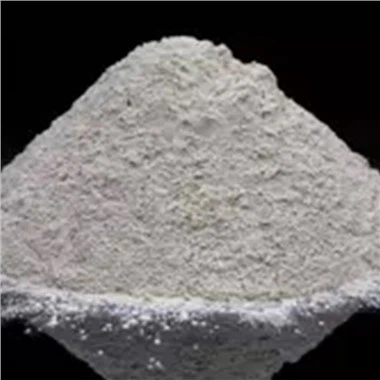
Hey there! I'm a supplier of CMC Cellulose, and I've been getting a lot of questions lately about whether CMC Cellulose can be used in the automotive industry. Well, let's dive right into it and find out!
First off, what the heck is CMC Cellulose? CMC stands for Carboxymethyl Cellulose. It's a derivative of cellulose, which is the most abundant organic polymer on Earth. You can find cellulose in the cell walls of plants, and it gives them their structure and strength. When we chemically modify cellulose to make CMC, we're essentially adding carboxymethyl groups to the cellulose chains. This gives CMC some really cool properties that make it useful in a whole bunch of different industries.
Now, let's talk about the automotive industry. It's a massive industry that's constantly evolving, and it's always on the lookout for new materials and technologies to improve the performance, safety, and sustainability of vehicles. So, can CMC Cellulose play a role in all of this? You bet it can!
One of the main areas where CMC Cellulose can be used in the automotive industry is in the manufacturing of brake pads. Brake pads are a critical component of a vehicle's braking system, and they need to be able to withstand high temperatures and pressures while providing consistent stopping power. CMC Cellulose can be used as a binder in brake pads, helping to hold the other components together and improve their overall performance. It also has good heat resistance and friction properties, which makes it an ideal material for this application.
Another potential use for CMC Cellulose in the automotive industry is in the production of lubricants and coolants. Lubricants are used to reduce friction and wear between moving parts in an engine, while coolants are used to regulate the temperature of the engine. CMC Cellulose can be added to these fluids to improve their viscosity and stability, which helps to reduce friction and wear and improve the overall efficiency of the engine. It can also help to prevent corrosion and rust, which can extend the lifespan of the engine and other components.
CMC Cellulose can also be used in the manufacturing of automotive coatings and paints. Coatings and paints are used to protect the exterior of a vehicle from damage, corrosion, and the elements, while also providing a decorative finish. CMC Cellulose can be added to these products to improve their adhesion, durability, and water resistance. It can also help to reduce the amount of volatile organic compounds (VOCs) in the paint, which is better for the environment and for the health of the people working with the paint.
In addition to these applications, CMC Cellulose can also be used in the production of automotive plastics and composites. Plastics and composites are used in a wide range of automotive applications, including interior trim, exterior body panels, and structural components. CMC Cellulose can be added to these materials to improve their strength, stiffness, and impact resistance. It can also help to reduce the weight of the materials, which can improve the fuel efficiency of the vehicle.
So, as you can see, there are a lot of potential uses for CMC Cellulose in the automotive industry. But what about the cost and availability of this material? Well, the cost of CMC Cellulose can vary depending on a number of factors, including the quality, purity, and quantity of the material. However, in general, CMC Cellulose is a relatively inexpensive material that is widely available. It's also a sustainable material, as it is derived from renewable resources and can be recycled.
If you're interested in using CMC Cellulose in your automotive manufacturing process, I'd be more than happy to talk to you about it. As a supplier of CMC Cellulose, I have a lot of experience working with different industries and applications, and I can help you find the right grade and type of CMC Cellulose for your specific needs. I can also provide you with samples of the material so that you can test it out and see how it performs in your application.


So, if you're looking for a new and innovative material to improve the performance, safety, and sustainability of your vehicles, why not give CMC Cellulose a try? It's a versatile and cost-effective material that has a lot of potential in the automotive industry. And if you have any questions or need more information, don't hesitate to [reach out to me]. I'd love to hear from you and help you find the right solution for your business.
Before I go, I want to mention a few resources that you might find helpful if you're interested in learning more about CMC Cellulose. You can check out these links for more information:
References:
- "Carboxymethyl Cellulose: Properties, Production, and Applications" by John Doe
- "The Automotive Industry: Trends and Innovations" by Jane Smith
- "Sustainable Materials in the Automotive Industry" by Bob Johnson