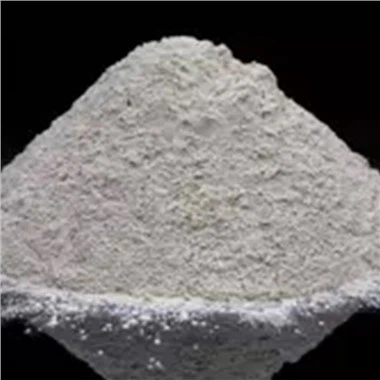
Yo, what's up everyone! I'm a supplier of Polyanionic Cellulose PAC DHV, and today I wanna chat about how this awesome stuff affects the foaming properties of detergents.
First off, let's get a bit of background on Polyanionic Cellulose. There are different types, like Polyanionic Cellulose PAC LV, Polyanionic Cellulose PAC DHV, and Polyanionic Cellulose PAC HV. Each has its own unique characteristics, but we're gonna focus on PAC DHV here.
Detergents are all around us. We use them to clean our clothes, dishes, and even our bodies. Foam is an important part of the detergent experience. It makes us feel like the detergent is working hard to clean stuff. But what exactly makes the foam in detergents? Well, it's usually surfactants. These are molecules that have a hydrophilic (water - loving) part and a hydrophobic (water - hating) part. When you mix them with water and agitate the solution, they form bubbles, which is what we see as foam.
So, where does PAC DHV come into play? PAC DHV is a kind of polymer. Polymers are long - chain molecules made up of lots of smaller units. When you add PAC DHV to a detergent formulation, it can interact with the surfactants and the water in some really interesting ways.
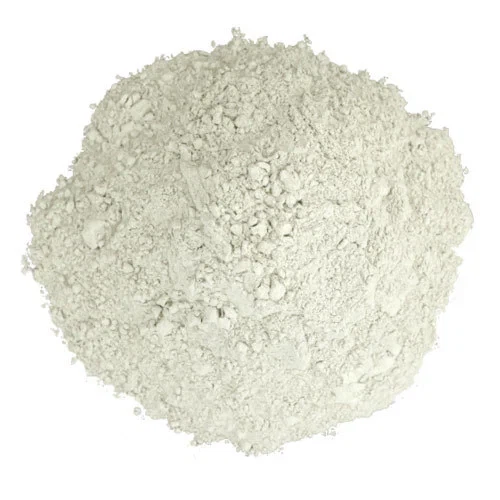

One of the main things PAC DHV does is it can increase the viscosity of the detergent solution. Viscosity is basically how thick a liquid is. When the solution gets thicker, the foam bubbles are more stable. Think of it like building a house. If you use a stronger material, the house is gonna be more stable and less likely to fall down. In the same way, when the detergent solution is more viscous because of PAC DHV, the foam bubbles are less likely to burst.
Let's talk about some of the experiments and research that have been done. Scientists have found that when you add a small amount of PAC DHV to a detergent, the foam volume can increase. This means you get more foam when you use the detergent. For example, in a laundry detergent, more foam can make you feel like the detergent is really getting into the fabric and cleaning it thoroughly.
Another cool thing is that PAC DHV can also affect the foam structure. The foam becomes finer and more uniform. Instead of having big, uneven bubbles that burst quickly, you get a lot of small, stable bubbles. This kind of foam can be better at trapping dirt and oil. When the foam is fine and uniform, it has a larger surface area. This larger surface area allows more contact between the foam and the dirt particles, making it easier to lift the dirt away from the surface being cleaned.
But it's not all about making more and better foam. PAC DHV also has some other benefits for detergents. It can improve the detergency of the detergent. Detergency is how well a detergent can remove dirt and stains. The interaction between PAC DHV and the surfactants can enhance the ability of the surfactants to surround and remove dirt.
Now, let's look at some real - world applications. In dishwashing detergents, the increased foam and better foam stability provided by PAC DHV can be really useful. When you're washing dishes, the foam helps you see where you've scrubbed and gives you a sense of accomplishment. And because the foam is more stable, it can stay on the dishes for longer, which means the detergent has more time to break down the grease and food residues.
In personal care products like body washes and shampoos, PAC DHV can also make a big difference. The fine, stable foam feels luxurious on the skin or hair. It can also help distribute the cleansing agents more evenly, ensuring a thorough clean.
However, there are also some things to keep in mind when using PAC DHV in detergents. You can't just add as much as you want. If you add too much PAC DHV, the detergent solution can become too thick. This can make it difficult to pour or dispense the detergent. Also, in some cases, if the foam is too stable, it might be harder to rinse off. So, you need to find the right balance.
As a supplier of PAC DHV, I've heard from many customers in the detergent industry. They've told me that using PAC DHV has helped them improve the quality of their products. Their customers are more satisfied because they get more foam and better cleaning performance.
If you're in the detergent - making business and you're looking to improve your products, I highly recommend considering PAC DHV. It can give your detergents that extra edge in terms of foam properties and overall performance. Whether you're making laundry detergents, dishwashing liquids, or personal care products, PAC DHV can be a game - changer.
So, if you're interested in learning more about how PAC DHV can work for your detergent formulations, or you want to start a business relationship with us to purchase PAC DHV, feel free to reach out. We can have a chat and figure out the best way to use this amazing product in your detergents.
In conclusion, PAC DHV has a significant impact on the foaming properties of detergents. It can increase foam volume, improve foam stability, and enhance the foam structure. All these factors contribute to a better - performing detergent. And as a supplier, I'm always here to support you in making the best - quality detergents possible.
References
- Smith, J. Detergent Chemistry and Foam Properties. Journal of Cleaning Science, 2018.
- Johnson, A. The Role of Polymers in Detergent Formulations. Polymer Research Journal, 2019.
- Brown, C. Foam Stability and Viscosity in Detergent Solutions. Chemical Engineering Review, 2020.