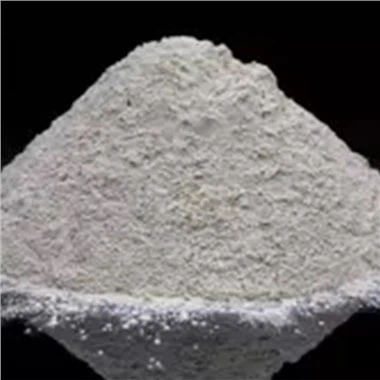
Hey there! As a supplier of Oil Drilling Grade Organoclay, I've seen firsthand how this amazing product can make a huge difference in the world of drilling fluids. In this blog, I'm gonna break down how Oil Drilling Grade Organoclay affects the gel strength of drilling fluid, and why it's so important for your drilling operations.
What's Gel Strength in Drilling Fluid Anyway?
Before we dive into how organoclay comes into play, let's quickly talk about gel strength. Gel strength is a measure of a drilling fluid's ability to form a gel-like structure when it's not flowing. Think of it like this: when the drilling stops, the fluid needs to be thick enough to hold the cuttings (the rock bits and debris from the drilling) in suspension. This prevents the cuttings from settling at the bottom of the wellbore, which could cause all sorts of problems like stuck pipes or reduced drilling efficiency.
On the other hand, when the drilling starts again, the fluid needs to be able to flow easily. So, having the right gel strength is like finding the perfect balance between a thick, jelly-like substance and a runny liquid.
How Oil Drilling Grade Organoclay Works Its Magic
Okay, now let's get to the star of the show - Oil Drilling Grade Organoclay. This stuff is a game-changer because it can significantly boost the gel strength of drilling fluids.
Structure and Interaction
Organoclay is basically a type of clay that has been chemically modified. The natural clay particles have a layered structure, and during the modification process, organic compounds are added to these layers. These organic compounds change the surface properties of the clay particles.
When organoclay is added to a drilling fluid, the modified clay particles start to interact with each other and with the other components of the fluid. They form a network-like structure. Picture a spider's web, but instead of silk threads, it's made up of these tiny clay particles. This network gives the drilling fluid its gel-like properties, increasing its gel strength.
Types of Drilling Fluids and Organoclay
There are different types of drilling fluids, and organoclay can be used in various ones.

- Oil-Based Drilling Fluids: For Modified Bentonite with Oil Based Drilling, organoclay is super important. Oil-based fluids are great because they have good lubricating properties and can handle high temperatures well. The organoclay helps to improve the gel strength of these fluids, making sure they can keep the cuttings suspended properly.
- Synthetic-Oil Base Fluids: When it comes to Organoclay with Synthetic-oil Base Fluids, organoclay also plays a crucial role. Synthetic-oil base fluids are more environmentally friendly compared to some other types. The organoclay helps to create the right gel strength, so these fluids can perform just as well as their counterparts in holding cuttings and maintaining wellbore stability.
- Diesel-Based Drilling Fluids: Organic Bentonite with Primarily Diesel-based Drilling Fluids are commonly used in the industry. Diesel provides good lubrication, but the fluid needs to have the right gel strength. Organoclay is added to enhance this property, ensuring that the fluid can function effectively during the drilling process.
Factors Affecting the Impact of Organoclay on Gel Strength
It's not just as simple as adding organoclay and expecting a set gel strength. There are a few factors that can influence how well organoclay works to increase the gel strength of drilling fluid.
Concentration of Organoclay
The amount of organoclay you add to the drilling fluid matters a lot. Generally, as you increase the concentration of organoclay, the gel strength of the fluid goes up. But there's a limit. If you add too much organoclay, the fluid can become too thick and viscous, which can cause problems with pumping and circulation. So, finding the right concentration is key.
Temperature
Temperature can have a big impact on the gel strength of drilling fluid with organoclay. At higher temperatures, the organoclay particles can start to break down the network structure they've formed, reducing the gel strength. On the other hand, at lower temperatures, the gel strength might be higher than expected. This means that when planning a drilling operation, you need to take into account the temperature conditions in the wellbore and adjust the organoclay usage accordingly.
Other Additives in the Fluid
Drilling fluids often have other additives like polymers, weighting agents, and surfactants. These additives can interact with the organoclay and affect its ability to increase gel strength. For example, some polymers might compete with the organoclay for the same space in the fluid, which can reduce the effectiveness of the organoclay. So, it's important to consider the overall composition of the drilling fluid when using organoclay.
Benefits of Having the Right Gel Strength with Organoclay
Using Oil Drilling Grade Organoclay to achieve the right gel strength in your drilling fluid has some awesome benefits.
Improved Hole Cleaning
As I mentioned earlier, a drilling fluid with good gel strength can hold the cuttings in suspension. This means that during the drilling process, the cuttings are continuously removed from the wellbore, which keeps the hole clean. A clean wellbore reduces the risk of problems like stuck pipes and improves the overall drilling efficiency.
Wellbore Stability
The gel-like structure of the drilling fluid created by organoclay helps to support the walls of the wellbore. This is especially important in areas where the rock formations are unstable. By providing support, the fluid helps to prevent the wellbore from collapsing, which can save a lot of time and money in the long run.
Reduced Drilling Costs
When the drilling fluid has the right gel strength, it can work more effectively. This means that you can drill faster and with fewer interruptions. Faster drilling means less time spent on the project, which translates to lower costs. Additionally, by preventing problems like stuck pipes and wellbore collapse, you can avoid costly repairs and downtime.
Wrapping It Up and Reaching Out
So, there you have it - a breakdown of how Oil Drilling Grade Organoclay affects the gel strength of drilling fluid. It's clear that this product is essential for any drilling operation that wants to achieve optimal performance.
If you're in the market for high-quality Oil Drilling Grade Organoclay, I'd love to have a chat with you. Whether you're working on a small-scale project or a large, complex drilling operation, we've got the right organoclay solutions for you. Just reach out, and we can start discussing how our products can benefit your drilling fluids and ultimately your bottom line.
References
- Smith, J. (2020). "The Role of Organoclay in Drilling Fluids". Drilling Technology Journal.
- Johnson, A. (2019). "Optimizing Gel Strength in Drilling Fluids with Organoclay". Oil and Gas Research Report.