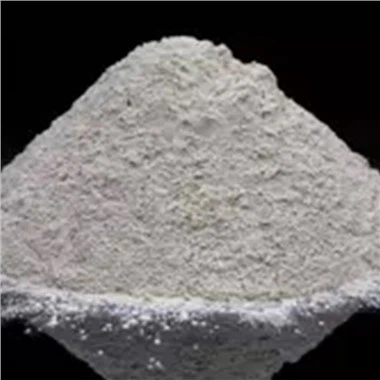
In the realm of food additives and sweeteners, food grade sucralose liquid has emerged as a popular choice for those looking to satisfy their sweet tooth without the caloric burden of traditional sugars. As a supplier of high - quality Food Grade Sucralose Liquid, I am often asked about its impact on blood sugar levels. This blog aims to delve into the scientific details of how this sweetener affects blood sugar and why it has become a staple in many food and beverage products.
Understanding Sucralose
Sucralose, also known as Sucralose E955 Sucralose E955, is an artificial sweetener that was discovered in 1976. It is derived from sugar through a multi - step chemical process that replaces three hydroxyl groups on the sucrose molecule with chlorine atoms. This modification gives sucralose several unique properties. It is approximately 400 - 800 times sweeter than sucrose (table sugar), which means that only a tiny amount is needed to achieve the same level of sweetness.
One of the most significant advantages of sucralose is its low caloric content. Since it is so sweet, the amount used in food and beverages is minuscule, contributing virtually no calories to the diet. This makes it an attractive option for people who are trying to manage their weight or control their calorie intake.

How Sucralose Interacts with the Body
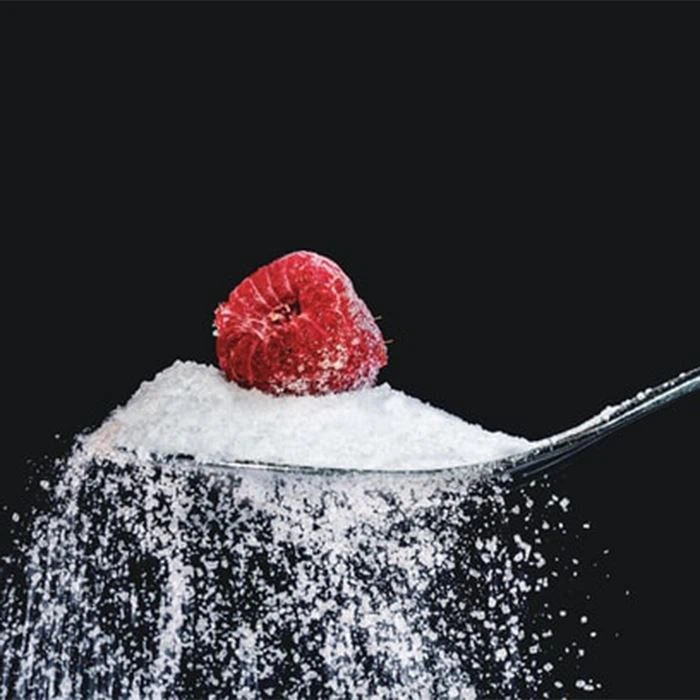
When it comes to blood sugar levels, the key factor is how a substance is metabolized in the body. Traditional sugars, such as glucose and fructose, are quickly broken down and absorbed into the bloodstream, causing a rapid increase in blood sugar levels. This spike in blood sugar triggers the pancreas to release insulin, a hormone that helps cells take up glucose from the blood and use it for energy or store it as glycogen.
In contrast, sucralose is not metabolized in the same way as sugar. It passes through the digestive system largely unchanged and is excreted in the urine. This means that it does not require insulin for metabolism and does not cause a significant increase in blood sugar levels.
Numerous scientific studies have investigated the effects of sucralose on blood sugar. A meta - analysis of multiple clinical trials found that sucralose had no impact on fasting blood glucose levels, post - meal blood glucose levels, or insulin sensitivity [1]. These findings suggest that sucralose can be safely consumed by people with diabetes or those who are at risk of developing diabetes without causing adverse effects on blood sugar control.
Dietary Sucralose and Blood Sugar Management
For individuals with diabetes, managing blood sugar levels is a constant challenge. Dietary choices play a crucial role in maintaining stable blood sugar. Dietary Sucralose Dietary Sucralose can be a valuable tool in their diet. By using sucralose as a sugar substitute in foods and beverages, they can enjoy sweet flavors without the worry of blood sugar spikes.
For example, a person with diabetes can use sucralose - sweetened coffee or tea instead of adding sugar. They can also use sucralose in baking to make low - sugar desserts. This not only helps in blood sugar management but also allows them to have a more varied and enjoyable diet.
Food Sucralose Powder vs. Liquid
As a supplier, I offer both Food Sucralose Powder Food Sucralose Powder and liquid forms of sucralose. The liquid form has several advantages when it comes to food and beverage applications. It is easier to dissolve in liquids, which makes it ideal for use in drinks such as soft drinks, juices, and smoothies. It also provides more precise dosing, as it can be easily measured using a dropper or a syringe.
In terms of blood sugar impact, both the powder and liquid forms of sucralose have the same effect. Since the active ingredient is the same, they do not cause a rise in blood sugar levels regardless of the form in which they are consumed.
Real - World Applications and Consumer Benefits
The use of food grade sucralose liquid is widespread in the food and beverage industry. It can be found in a variety of products, including diet sodas, low - calorie yogurt, sugar - free candies, and many other processed foods. For consumers, these products offer a sweet taste without the negative health effects associated with high - sugar diets.
In addition to its benefits for blood sugar management, sucralose has been shown to have other positive health effects. Some studies suggest that it may have a role in reducing the risk of dental caries. Since it is not fermented by oral bacteria like sugar, it does not contribute to the formation of plaque and cavities.
Considerations and Limitations
While the evidence overwhelmingly suggests that sucralose is safe and does not affect blood sugar levels, it is important to note that individual responses may vary. Some people may have sensitivities or allergies to sucralose, although these cases are rare. Additionally, the overall diet and lifestyle factors also play a role in blood sugar control. Even if a person uses sucralose, if they consume a diet high in other refined carbohydrates and fats, they may still experience problems with blood sugar management.
Conclusion
In conclusion, food grade sucralose liquid is an excellent option for those looking to control their blood sugar levels. Its unique chemical structure and metabolism mean that it does not cause a significant increase in blood sugar, making it suitable for people with diabetes and those concerned about their health. As a supplier, I am committed to providing high - quality sucralose products that meet the strictest safety and quality standards.
If you are a food manufacturer, a beverage company, or an individual interested in using food grade sucralose liquid in your products or diet, I encourage you to reach out for more information and to discuss potential procurement opportunities. We can work together to find the best solutions for your specific needs.
References
[1] Sievenpiper JL, et al. Meta - analysis of the effect of low - calorie sweeteners on glucose and insulin levels in humans. Diabetes Care. 2012;35(12):2530 - 2539.