

Hey there, folks! I'm a supplier of Oil Drilling Grade Organoclay, and today I wanna have a chat about whether this awesome stuff can be used in water-based drilling fluid.
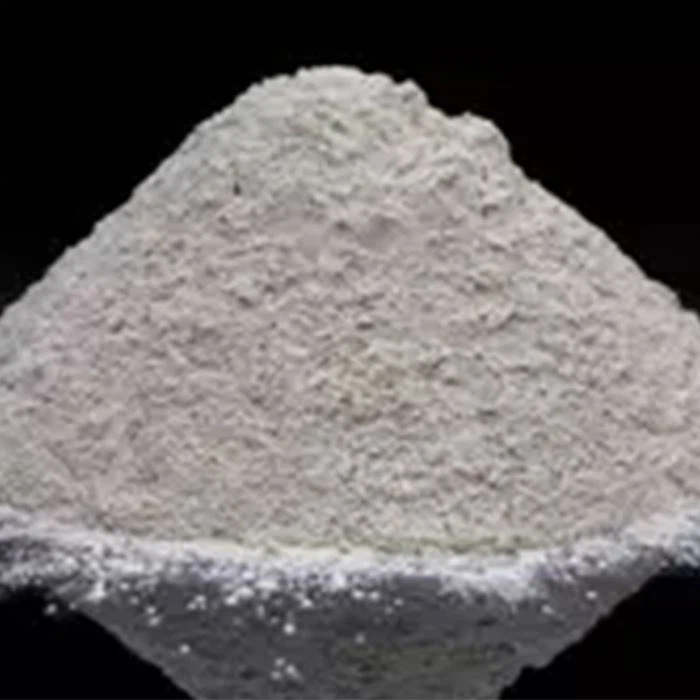
First off, let's get a bit of background. Oil Drilling Grade Organoclay is a pretty nifty product. It's mainly used in the oil drilling industry, and it has some great properties that make it super useful. It can enhance the viscosity and gel strength of drilling fluids, which is crucial for keeping the drill bit working smoothly and bringing the cuttings to the surface.

Now, when we talk about drilling fluids, there are two main types: oil-based and water-based. Oil-based drilling fluids have been around for a long time and have their own set of advantages. They're great at lubricating the drill bit, preventing corrosion, and handling high temperatures. But they also have some drawbacks. They can be expensive, and they're not the most environmentally friendly option. That's where water-based drilling fluids come in. They're more cost-effective and have a lower environmental impact. But the question is, can our Oil Drilling Grade Organoclay fit in with water-based drilling fluids?
Well, traditionally, Oil Drilling Grade Organoclay has been used mainly in oil-based drilling fluids. That's because it's designed to be compatible with oil. The organoclay particles are coated with organic compounds that make them hydrophobic, which means they don't like water. They prefer to dissolve and interact with oil molecules. However, recent research and technological advancements have shown that it might be possible to use Oil Drilling Grade Organoclay in water-based drilling fluids too.
One of the ways to make this happen is through modification. Scientists and engineers have been working on ways to modify the surface properties of the organoclay so that it can be more compatible with water. By changing the organic coating on the clay particles, we can make them more hydrophilic, or water-loving. This modified organoclay can then be dispersed in water-based drilling fluids and still provide the benefits of increased viscosity and gel strength.
For example, Modified Bentonite with Oil Based Drilling is a type of modified organoclay that has shown some promise in water-based systems. It has been engineered to have a better interaction with water molecules while still maintaining its ability to improve the rheological properties of the drilling fluid.
Another option is to use a combination of different types of clays in the water-based drilling fluid. Along with the modified Oil Drilling Grade Organoclay, we can add some natural bentonite or other types of clays. This can create a synergistic effect, where the different clays work together to enhance the performance of the drilling fluid. The natural bentonite can provide some basic viscosity, while the modified organoclay can add extra gel strength and stability.
Organic Bentonite with Primarily Diesel-based Drilling Fluids is another product that could potentially be used in water-based drilling fluids. Although it's originally designed for diesel-based fluids, with the right modifications, it might be able to adapt to a water-based environment.
There are also some challenges when using Oil Drilling Grade Organoclay in water-based drilling fluids. One of the main issues is the stability of the organoclay in water. Since it's not naturally compatible with water, there's a risk of the clay particles aggregating or settling out over time. This can lead to a decrease in the effectiveness of the drilling fluid and even cause problems with the drilling operation. To overcome this, we need to use appropriate additives and dispersants. These chemicals can help keep the organoclay particles evenly dispersed in the water and prevent them from clumping together.
Another challenge is the cost. Modifying the organoclay to make it compatible with water can be expensive. There are additional processing steps involved, and the use of special chemicals and additives can add to the overall cost. However, when we consider the long-term benefits, such as cost savings from using water-based fluids and the environmental advantages, it might still be a worthwhile investment.
Organoclay with Synthetic-oil Base Fluids is also a product that could be explored for use in water-based drilling fluids. Synthetic-oil base fluids have some similarities to water-based fluids in terms of their properties, so there might be a way to adapt the organoclay used in synthetic-oil base fluids for water-based applications.
In conclusion, while Oil Drilling Grade Organoclay has traditionally been used in oil-based drilling fluids, there's a growing possibility that it can be used in water-based drilling fluids too. With the right modifications and the use of appropriate additives, we can overcome the challenges and make the most of the benefits that organoclay offers.
If you're in the oil drilling industry and are interested in exploring the use of Oil Drilling Grade Organoclay in your water-based drilling fluids, I'd love to have a chat with you. We can discuss the different options available, the latest research findings, and how we can customize our products to meet your specific needs. Whether you're looking for a more cost-effective solution or a more environmentally friendly option, our Oil Drilling Grade Organoclay might just be the answer you're looking for. So, don't hesitate to reach out and start a conversation about potential procurement and how we can work together to improve your drilling operations.
References:
- Various research papers on organoclay modification and its application in drilling fluids.
- Industry reports on the development of water-based drilling fluids.


