In the realm of food production, finding the right sweetening agent is crucial, especially when it comes to making sauces. Sauces play a vital role in enhancing the flavor of various dishes, from savory to sweet. As a supplier of Granulated Sucralose, I often get asked whether this artificial sweetener can be used in sauce-making. In this blog post, I will explore the feasibility, benefits, and considerations of using granulated sucralose in the process of creating delicious sauces.
Understanding Granulated Sucralose
Before delving into its application in sauce-making, it's essential to understand what granulated sucralose is. Sucralose is an artificial sweetener that is derived from sugar through a multi - step chemical process. It is approximately 400 - 800 times sweeter than sucrose (table sugar), which means that only a tiny amount is needed to achieve the same level of sweetness.
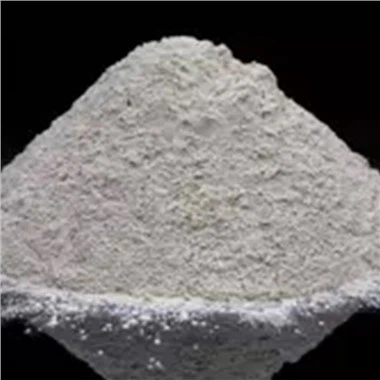
Granulated sucralose is a form of sucralose that has been processed into a granular form, similar to table sugar. This form makes it easy to measure and use in various food applications, including cooking and baking. You can learn more about its composition on our Sucralose Composition page.
Feasibility of Using Granulated Sucralose in Sauces
Sweetness Equivalence
One of the primary advantages of using granulated sucralose in sauces is its high sweetness potency. Since it is much sweeter than sugar, a small quantity can replace a large amount of sugar in a sauce recipe. This is particularly beneficial for those who are looking to reduce the calorie content of their sauces without sacrificing sweetness. For example, in a barbecue sauce recipe that typically calls for a cup of sugar, only a fraction of a teaspoon of granulated sucralose may be needed to achieve the same level of sweetness.
Stability
Sucralose is highly stable under different cooking conditions, including high temperatures. This stability makes it suitable for use in sauces that require cooking or simmering. Unlike some natural sweeteners that may break down or caramelize at high temperatures, granulated sucralose retains its sweetness and chemical properties, ensuring consistent flavor throughout the sauce - making process.
Compatibility with Other Ingredients
Granulated sucralose is generally compatible with a wide range of ingredients commonly used in sauces. It can be easily mixed with acids (such as vinegar in a vinaigrette sauce), spices, and other flavorings without causing any adverse reactions. This compatibility allows for greater flexibility in sauce formulation, enabling the creation of unique and delicious flavors.
Benefits of Using Granulated Sucralose in Sauces
Low - Calorie Option
As mentioned earlier, sucralose is an artificial sweetener with negligible calories. By using granulated sucralose in sauces, manufacturers can offer low - calorie or even zero - calorie sauce options to consumers. This is particularly appealing to health - conscious individuals, those with diabetes, or people trying to manage their weight.
Long Shelf Life
Sauces made with granulated sucralose tend to have a longer shelf life compared to those made with sugar. Sugar can act as a medium for microbial growth, which can lead to spoilage over time. Sucralose, on the other hand, does not support the growth of bacteria or fungi, helping to preserve the quality and safety of the sauce for a longer period.
Consistent Flavor
Since granulated sucralose has a pure and intense sweetness, it provides a consistent flavor profile in sauces. Unlike natural sweeteners, which can vary in flavor depending on their source and processing, sucralose ensures that each batch of sauce tastes the same, meeting consumer expectations.
Considerations When Using Granulated Sucralose in Sauces
Taste Profile
While granulated sucralose is a highly effective sweetener, some people may detect a slight difference in taste compared to sugar. It has a clean, sweet taste, but there can be a subtle aftertaste in some individuals. To mitigate this, it can be combined with other sweeteners or flavor enhancers in the sauce recipe. For example, a small amount of natural sweeteners like honey or fruit juice can be added to complement the taste of granulated sucralose.
Texture
Sugar plays a role in the texture of sauces, contributing to thickness, viscosity, and mouthfeel. When replacing sugar with granulated sucralose, these textural properties may be affected. To address this, thickening agents such as xanthan gum or cornstarch can be added to the sauce to achieve the desired consistency.
Regulatory Compliance
It's important to ensure that the use of granulated sucralose in sauces complies with relevant food safety and regulatory standards. Different countries may have specific regulations regarding the use of artificial sweeteners in food products. As a supplier, we provide detailed information and documentation to help our customers meet these requirements. Our Pharmaceutical Sucralose Powder page also contains information relevant to regulatory compliance.
Applications in Different Types of Sauces
Savory Sauces
In savory sauces such as barbecue sauce, teriyaki sauce, or steak sauce, granulated sucralose can be used to balance the flavors. It adds a touch of sweetness to counteract the saltiness and acidity, enhancing the overall taste. For example, in a barbecue sauce, it can be used to create a rich and complex flavor profile without adding excessive calories.


Sweet Sauces
For sweet sauces like chocolate sauce, caramel sauce, or fruit - based sauces, granulated sucralose can be a great alternative to sugar. It provides the necessary sweetness while reducing the calorie content. In a chocolate sauce, it can be combined with cocoa powder and other ingredients to create a decadent and guilt - free treat.
Salad Dressings
Salad dressings often contain a certain amount of sugar to balance the flavors of vinegar, oil, and other seasonings. Granulated sucralose can be used in place of sugar to make low - calorie salad dressings. It dissolves easily in the dressing and provides a sweet note without adding extra calories.
Conclusion
In conclusion, granulated sucralose can indeed be used in making sauces, offering numerous benefits such as low - calorie content, stability, and compatibility with other ingredients. While there are some considerations to keep in mind, such as taste profile and texture, these can be easily addressed through proper formulation and ingredient selection.
As a supplier of Granulated Sucralose, we are committed to providing high - quality products and technical support to our customers. Whether you are a small - scale sauce producer or a large - scale food manufacturer, we can help you incorporate granulated sucralose into your sauce recipes effectively.
If you are interested in exploring the use of granulated sucralose in your sauce - making process or have any questions, please feel free to contact us. We look forward to discussing how our products can meet your specific needs and help you create delicious, low - calorie sauces.
References
- "Sucralose: A Review of Its Safety and Use in Food Products" by the Food and Drug Administration (FDA).
- "The Chemistry and Functionality of Sucralose in Food Applications" in the Journal of Food Science.
- "Low - Calorie Sweeteners and Their Role in Weight Management" by the World Health Organization (WHO).